The scent aisle is one of the few places where a product designed entirely for human comfort can put a pet at real risk. Fragrance is not just a smell; it is a mixture of volatile compounds that settle on surfaces, on fur and in lungs. This is what to know before you plug something in.
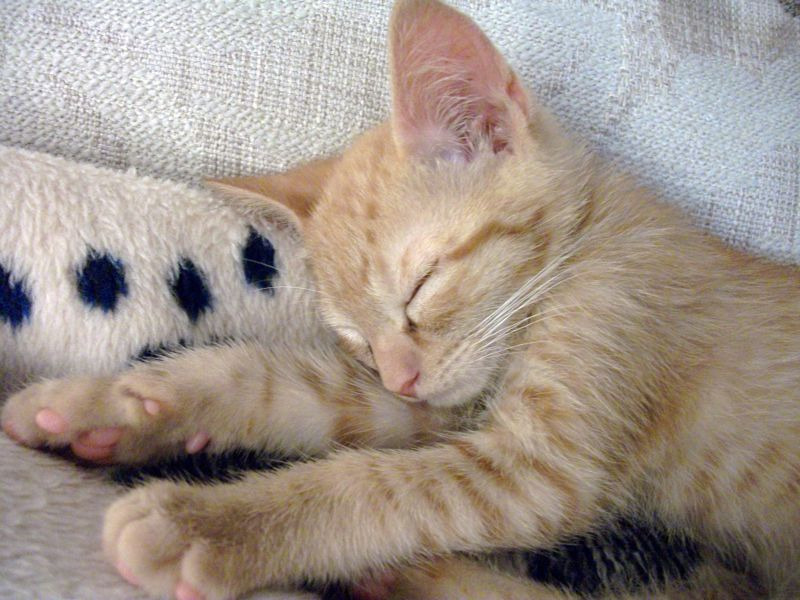
Why Cats and Dogs React Differently to Fragrance
Cats are the most vulnerable household pet here. They clear many plant compounds and drugs through a liver pathway they run very inefficiently, so a dose that a person shrugs off can build up. Animal poison services list essential oils among the most common causes of tremors in cats. Cats are also fastidious groomers, so anything that lands on their coat gets swallowed.
Dogs tolerate some oils better, but they are still sensitive to concentrated oils and to the fine aerosol that active diffusers produce. Burning paraffin candles adds another layer: it releases benzene and toluene into a closed room, and both are respiratory irritants. The word “natural” is no protection at all — tea tree oil is natural, and it is one of the most toxic oils for both species.
Scale matters too. Your pet’s sense of smell is far more sensitive than yours, so a fragrance you find subtle can be overwhelming and irritating rather than pleasant.
Active and Passive Diffusers Are Not the Same Risk
Active diffusers — nebulising and ultrasonic units — push microscopic oil droplets into the air. Those droplets drift, land on fur, and are then absorbed through skin or licked off during grooming. Passive products release scent more slowly, so the airborne load is lower, but a knocked-over bottle or gel jar becomes an ingestion risk instead.
| Product | How it reaches your pet | Practical rule |
|---|---|---|
| Nebulising diffuser | Concentrated droplets onto fur and into lungs | Avoid in a home with cats or dogs |
| Ultrasonic diffuser | Diluted mist, still airborne for hours | Only in a room the pet can leave, short bursts, never unattended |
| Reed or gel diffuser | Spill or lick | High shelf, away from food and sleeping spots |
| Plug-in and aerosol spray | Phthalates and VOCs into the air | Skip around pets; ventilate if used at all |
| Scented candle or wax melt | Acts like a small diffuser; wax is edible | Unscented soy or beeswax with a cotton wick |
Oils Most Often Involved in Exposures
- High concern for cats: tea tree, eucalyptus, citrus, pine, wintergreen, sweet birch, clove, cinnamon, pennyroyal, peppermint and ylang ylang.
- High concern for dogs: tea tree, eucalyptus, citrus, cinnamon, clove, pennyroyal, peppermint, pine, sweet birch and wintergreen.
- Mixed households: follow the cat list. It is the stricter one, and the air is shared.
- Never apply oils to your pet’s coat or skin, and skip home-mixed flea or skin remedies; concentrations and purity vary far too much to control safely.
A Fresher Home Without the Fragrance Load
- Open windows for ten to fifteen minutes once or twice a day to swap the air.
- Treat the source rather than the smell: wash bedding on a hot cycle with unscented detergent, and use an enzymatic cleaner for accidents.
- Sprinkle baking soda on carpets, leave it briefly, then vacuum to lift odour rather than mask it.
- Leave a shallow bowl of white vinegar in a room, well out of reach, or use activated charcoal.
- Run a machine with a HEPA filter to pull dander and fine particles out of the air.
- Store refill bottles, wax melts and gel jars inside a closed cabinet, not on a shelf.
Know the signs that mean stop and act. Sneezing, watery or red eyes, drooling, wobbliness, tremors, vomiting or laboured breathing after a scented product has been running all warrant attention. Move your pet to fresh air or outdoors, switch off and remove the product, wipe the coat with a damp cloth, offer water, and call your veterinarian or a 24-hour animal poison service. Do not induce vomiting unless a professional tells you to. A fragrance-free room is not a boring room — it is simply one where the animal cannot be affected by something they had no way to choose.