If you want home eggs but cannot keep chickens, quail may be the answer. Coturnix (Japanese) quail need a fraction of the space, mature in weeks rather than months, and many city rules that ban chickens simply do not mention them — though you should confirm your local ordinance first. A small flock of six to twelve birds is a realistic beginner setup, and most keepers find daily care takes well under twenty minutes.
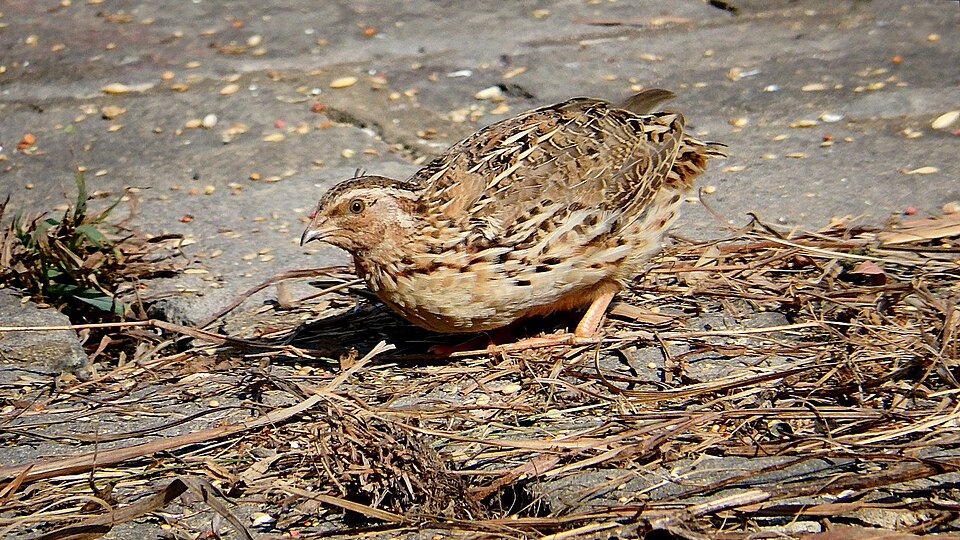
Why Quail Suit Small Backyards
An adult coturnix needs about one square foot of floor space, so a dozen birds fit in a footprint a single chicken coop would barely cover. Hens start laying at six to eight weeks old and, in their first year, produce roughly 250 to 300 eggs each — each about a third the size of a chicken egg, with a richer yolk. Production peaks in that first year and declines after, which is why keepers plan a rolling replacement flock. Birds live around two to three years, roosters crow only occasionally, and the flock is far quieter than chickens overall.
Housing: Low, Safe, and Ventilated
Quail are ground birds. They do not roost, they do not use nesting boxes, and they will lay wherever they happen to be standing, so design follows that behavior:
- Keep ceiling height around 10 to 12 inches. Startled quail bolt straight up, and taller cages cause head injuries.
- Use half-inch hardware cloth, never chicken wire — quail are small enough to be taken by weasels and rats through standard mesh.
- Ventilation matters more than insulation. Ammonia builds up fast; airflow should move without creating drafts at bird level.
- Provide shade and dry bedding. Quail handle cold reasonably well but suffer in heat above about 85°F.
- Collect eggs daily. Without a broody hen, they accumulate and break.
Feed and Water Done Right
Protein is where beginners most often go wrong. Chicks need a game bird starter of 26 to 30 percent protein for the first six weeks; adults do well on 20 to 24 percent. Ordinary chicken layer feed runs 16 to 18 percent, which is too low for quail and will visibly hurt laying. Offer oyster shell free-choice in a separate dish for strong eggshells, plus insoluble grit if the birds are on wire with no access to soil. Water goes in shallow dishes or narrow-lipped fountains, because deep open water can drown chicks and fouled water spreads disease. Leafy greens and mealworms are welcome treats, but keep them under ten percent of intake.
Eggs, Light, and Hatching
Laying follows light: hens need about 14 to 16 hours of light per day to lay consistently, so winter output drops sharply without supplemental lighting on a timer. If you want to hatch your own, plan on equipment rather than a broody hen, because coturnix hens have almost no brooding instinct. Eggs incubate in about 17 days at 99.5°F with 45 to 55 percent humidity in a forced-air incubator. Chicks brood starting near 95°F in the first week, dropping about 5°F per week until fully feathered.
The takeaway. Quail are a genuine beginner bird: compact, fast to maturity, and generous layers for their size. The three things that decide success are hardware-cloth security, high-protein feed, and light management. Sources for the numbers above include university extension poultry programs; always check local rules before ordering birds.