A kitten attacking your ankles at six in the morning is not being naughty. Between roughly eight and sixteen weeks, kittens are hunting practice machines, and every pounce, bite and bunny kick is a rehearsal for skills their ancestors needed to survive. Your job is not to switch the instinct off. It is to give it a better target.
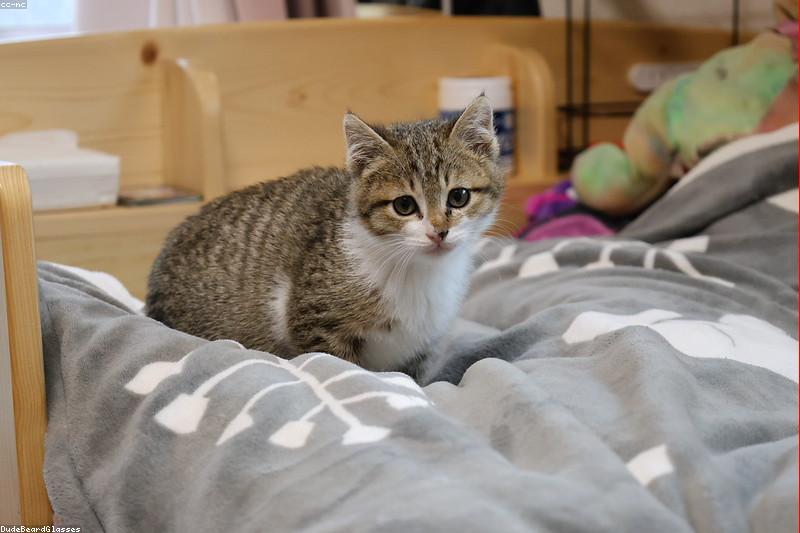
Hands Are Never Toys
The single most important kitten rule is also the most often broken: no wiggling fingers, no bare-hand wrestling, ever. A kitten cannot understand that hands are fun at some times and off-limits at others. What it learns instead is that human skin is an acceptable thing to grab, and a habit that looks adorable at twelve weeks becomes a genuine problem in a four-kilogram adult cat.
Keep a toy between you at all times. Teaser wands on a string, and anything that puts a stick or a string between your fingers and the kitten, all work. If a bite lands anyway, stop moving, make a soft yelping sound like a littermate would, and step away for half a minute. The lesson lands quickly: bites end the game.
A Play Session That Actually Works
Random toy-tossing is fine, but structured play drains the hunting battery far more effectively. Aim for three to five short sessions a day, each ten to fifteen minutes, built around a simple cycle:
- Stalk: move the wand toy low and erratically, hiding it behind furniture so the kitten has to track it
- Chase and pounce: dart the toy away, pause, then let it escape again
- Catch: let the kitten actually grab it. A hunt that never pays off is frustrating, not tiring
- Eat: end the session with a small meal or treat, mimicking the natural hunt-catch-eat sequence
- Sleep: a kitten that has completed the full cycle usually grooms and crashes soon after
Rotate toys every few days so nothing becomes wallpaper. Solo options such as crinkle balls, springs and puzzle feeders cover the times you are busy, but they do not replace interactive play, because a toy that never moves teaches nothing.
Redirect, Do Not Punish
When an ankle attack happens, freeze. A statue is boring; a running human is a game. Then toss a toy in the opposite direction and let the kitten discover that the toy is where the action is. Never flick a nose, spray water, scruff or yell. Punishment does not teach bite control, it teaches the kitten to fear the hand that should be a source of good things.
Two more levers help enormously. First, watch the clock around bedtime: a kitten racing through the house at midnight is usually under-played during the evening or overtired, and a short play session followed by a small meal before your own bedtime fixes both. Second, kittens raised with a second kitten generally learn bite inhibition faster, because a littermate yelps and quits the game the instant a bite is too hard.
When Rough Play Needs a Professional Eye
Most bitey kittens settle with consistent redirection and enough structured play, with clear improvement inside a few weeks. Talk to a vet or a qualified behavior consultant if bites regularly break skin, if attacks happen while you are sitting still rather than during play, if there is hissing or growling mixed in, or if the intensity keeps climbing past six months of age. Those patterns point beyond ordinary play and deserve a proper look.
The takeaway. A bitey kitten is a bored kitten with a full tank. Hands off, toys forward, three to five real hunting sessions a day, and calm redirection every time. Do that consistently and the same predatory drive that empties your ankles today becomes the confident, gentle play of a well-adjusted adult cat.