Ask reptile vets which disease they see most, and metabolic bone disease, MBD, tops the list. Ask which one they see least in wild reptiles, and the answer is the same. MBD is almost purely a disease of captivity, assembled from small husbandry gaps until a young lizard’s skeleton quietly gives way. The encouraging part is that every ingredient is under your control.
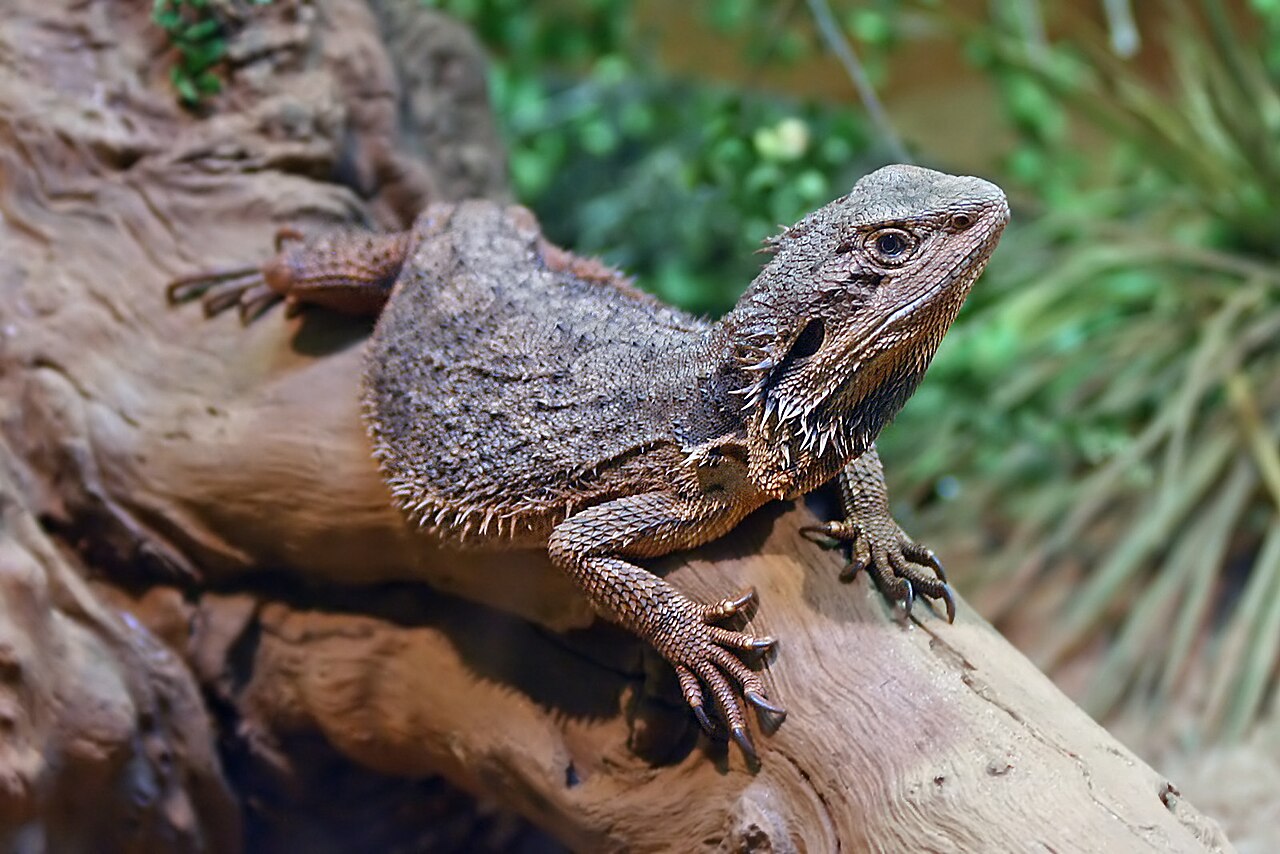
What Goes Wrong Inside the Body
MBD is really a calcium accounting failure. Reptiles need dietary calcium, vitamin D3 to absorb it, and ultraviolet B light to make that vitamin D3 in the skin. Remove any link and the chain breaks: without UVB, the gut cannot take up calcium no matter how much is offered; without enough calcium, or with too much phosphorus competing for absorption, the body releases parathyroid hormone and dissolves the skeleton to keep blood calcium stable. Low basking temperatures make everything worse, because digestion and vitamin synthesis both slow down. The medical name for the most common form, nutritional secondary hyperparathyroidism, describes exactly this loop.
Early Signs Worth Catching
The earliest changes are subtle, and juveniles are hit hardest because growing bones demand the most calcium. Watch for:
- A jaw that feels soft or rubbery when the mouth is examined, sometimes called rubber jaw
- Bowed forelegs, swollen limbs, or hard lumps along the jaw and spine
- Muscle tremors or twitching toes, especially after exertion
- Reluctance to climb or lift the body off the ground, plus a shrinking appetite
- In turtles and tortoises, a soft or curling shell with lumpy, uneven scutes
- Fractures from minor knocks, and seizures in advanced cases, which are emergencies
Any two of these together justify a vet visit that week, not a wait to see if it passes.
Treatment: Correct the Husbandry First
Veterinary care starts with bloodwork and radiographs to grade the damage, then injectable or oral calcium, vitamin D3 where needed, pain control, and stabilization of fractures. But no prescription works without fixing the setup, because the disease will simply return. That means a correct UVB source at the right distance, a properly calibrated heat lamp gradient for digestion, and a diet with real calcium content. Early, mild cases often recover well once the environment is right. Severe ones can take months of nursing and may leave permanent deformities, because dissolved bone does not rebuild to its original shape. MBD is slowed and stopped; it is rarely erased.
Building a Diet That Prevents It
Prevention is a short list, and it fits in one table.
| Pillar | What to do |
|---|---|
| UVB | Quality bulb at correct distance; replace every 6 to 12 months, because output dies before the light does |
| Calcium balance | High-calcium greens for herbivores, such as kale, bok choy, and squash; dust insect feeders with calcium powder |
| Gut-loaded prey | Feed crickets and roaches nutritious food for 24 hours before offering them; bare bugs are calcium ghosts |
| Heat | Correct basking temperature so digestion and vitamin D synthesis actually work |
MBD rewards attention with something rare in reptile medicine: certainty. Keep the UVB fresh, the food mineral-balanced, and the basking spot honest, and the disease that fills vet clinics simply never gets a foothold in your enclosure.