“Teacup”, “micro”, “pocket”: the labels sold alongside pet piglets have almost nothing to do with the animal you will own in three years. Mini pigs are intelligent, affectionate and genuinely rewarding companions — and they are also large, strong, long-lived and legally complicated in many places. Here is the honest version.
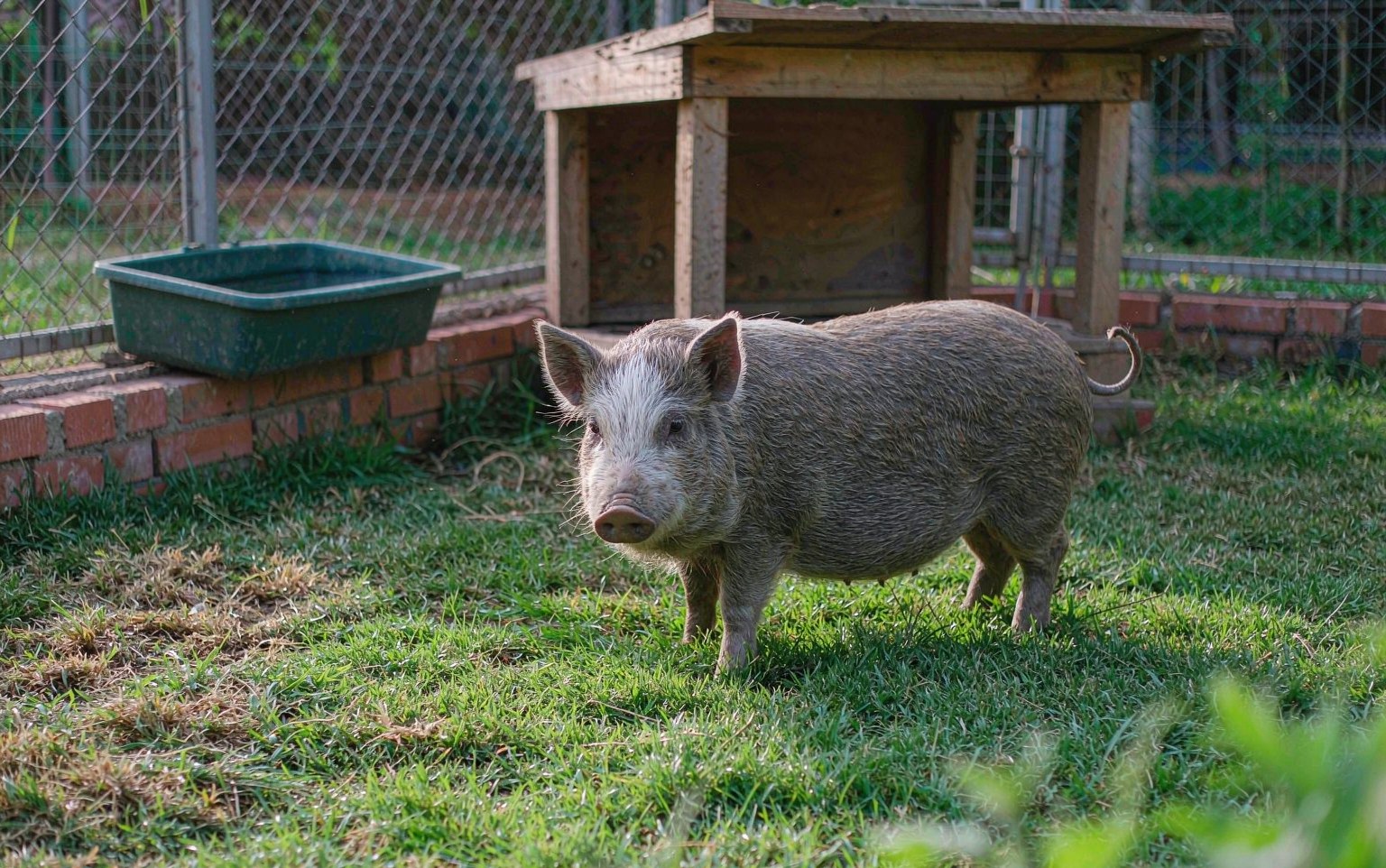
The Size Myth Nobody Explains
A so-called teacup pig is usually just a young piglet. There is no breed that stays at handbag weight. Most pet pigs end up somewhere between roughly forty and eighty kilograms as adults, depending on genetics and how they are fed, and a pig marketed as “guaranteed tiny” is a red flag rather than a bargain. Seeing the parents is useful but not conclusive, since many pigs are bred before they are fully grown. Plan for a lifespan of twelve to twenty years, which is a serious commitment for a farm-strength animal.
Housing, Fencing and the Rooting Instinct
Pigs root and dig by instinct, and a bored pig will excavate a lawn, a carpet or a baseboard with equal enthusiasm. Fencing needs to be sturdy and buried at the base, because pigs test weak points and will dig underneath. Outdoors they need shade, constant clean water, and a wallow or shallow pool in warm weather: pigs overheat quickly and sunburn easily. Indoors, the floor must not be slippery, and an indoor pig still needs supervised outdoor time every day. Pigs are social animals, so a pig kept alone needs many hours of human company, or a compatible companion.
Feeding a Pig Without Making It Obese
Obesity is the single most common problem in pet pigs, and it drives joint disease, lameness and metabolic trouble. Feed a commercial diet formulated for miniature pigs, measured to body condition rather than to appetite, plus leafy greens and a rotating mix of vegetables. Fruit should be a rare treat, and dog or cat food is not a substitute — it does not match a pig’s nutrient needs. Unlimited table scraps and salty leftovers are how pigs become overweight and unwell. Never feed chocolate, xylitol, onion, garlic, grapes, alcohol or mouldy food.
| Daily need | What it looks like in practice |
|---|---|
| Diet | Measured mini pig pellets plus vegetables; fruit as an occasional treat |
| Enrichment | Rooting box, grazing, clicker training, food puzzles |
| Environment | Secure buried fencing, shade, clean water, wallow in warm weather |
| Routine care | Hoof trimming every few months; dental checks; weight monitoring |
Hooves, Tusks and Finding a Vet
Hooves need trimming every few months, because overgrowth causes pain and changes how the pig walks. Male pigs may also need tusk trimming, and sedation is often required for safe handling — this is routine maintenance, not optional. Spaying or neutering is strongly advised, both to moderate behaviour and to reduce reproductive disease. Before you buy, check local rules: many cities and homeowner associations classify pigs as livestock no matter how you keep them, so permits or outright bans may apply. And find a veterinarian who treats pigs before the pig arrives, because not every clinic does.
A mini pig is a fifteen-year commitment to an animal with the strength of a farm pig and the curiosity of a toddler. With land, secure fencing, a measured diet and a pig-savvy vet, they can be extraordinary companions. If you were promised a small, low-maintenance pet that stays small, you were sold something that does not exist. Visit an adult pet pig before you commit — meeting a full-grown one is the fastest way to know whether your home, fencing and budget are genuinely ready.