Living with several cats can be wonderful, but the most common reason housemates squabble is not personality. It is resources. Cats are territorial animals without a dog’s talent for negotiation, and when food bowls, litter boxes, or favorite perches are scarce, tension follows. The fix is usually environmental, not disciplinary.
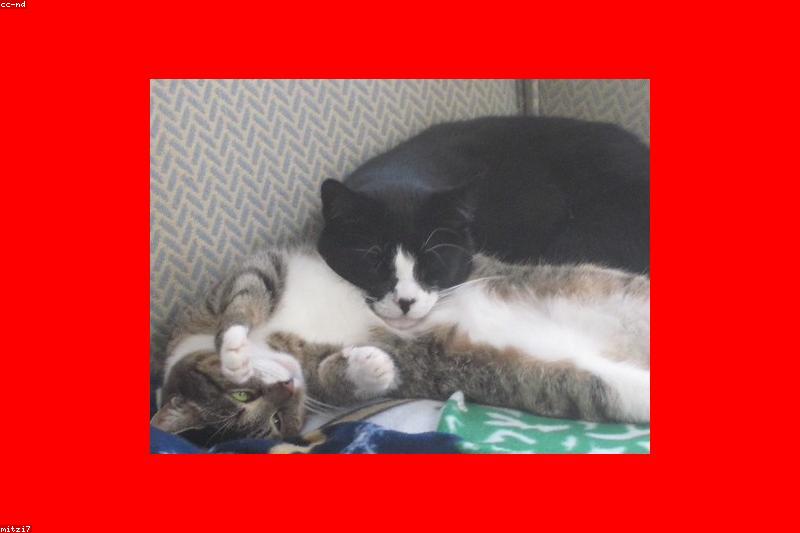
Why Cats Guard Resources
In a multi-cat home, a cat who feels unsure about access to the essentials lives in a state of low-grade stress. Some cats respond by guarding: blocking a doorway, staring down a housemate, or camping next to the food station. Others simply avoid, which is why a cat who starts using the bathtub as a toilet is often communicating about intimidation, not rebellion. These “cold wars” damage welfare even when no fur ever flies.
The N+1 Rule
The golden rule of multi-cat households: provide one of every critical resource per cat, plus one extra. The extra matters because it removes the possibility of monopoly, no matter who guards what.
| Resource | How many | Placement tips |
|---|---|---|
| Litter boxes | Cats + 1 | Different rooms, quiet corners, away from appliances |
| Food stations | Cats + 1 | Out of each other’s sightlines where possible |
| Water bowls | Cats + 1 | Away from food and litter, on multiple levels |
| Scratching posts | At least one per cat | Near room entrances and along common routes |
| Resting spots | Multiple, at different heights | Perches, enclosed beds, cardboard boxes |
Spread resources through the home so no single cat can supervise them all from one spot. If everything sits in one room, the largest room in the world still functions as a single resource point.
Vertical Space and Safe Zones
Height is territory in the cat world. Cat trees, wall shelves, and window perches let cats claim space without confrontation, and a cat three feet above the room often feels safer than one on the floor. Every cat also deserves a retreat no one can follow them into: a closed carrier left out, an igloo bed, or a high shelf. Pheromone diffusers designed for multi-cat homes can take the edge off in tense households.
Introducing a New Cat Slowly
Most serious conflicts trace back to introductions done too fast. Take the long route:
- Keep the newcomer in a separate room for at least the first week.
- Swap bedding and toys so the cats learn each other’s scent.
- Feed the cats on opposite sides of a closed door to build a positive association.
- Progress to brief visual contact through a cracked door or baby gate, always ending on a good note.
- Move to short supervised meetings in neutral space, extending gradually over weeks.
- Never force it. Some pairs need months, and that is normal.
Signs of Hidden Tension
- One cat avoiding certain rooms or hallways
- Blocking behavior at doorways or stairs
- Changes in litter box use or grooming, especially over-grooming bald patches
- Appetite changes or a cat losing weight
- Staring contests, swatting, or hissing that keeps recurring
If cats are actively fighting, do not let them “work it out”. Separate completely and restart introductions as if they were strangers, and ask your vet to rule out medical causes for any sudden aggression. With enough resources, enough height, and a patient introduction plan, most multi-cat homes settle into genuine harmony.