Nasal aspergillosis is a fungal infection of the nose and sinuses, most often caused by Aspergillus fumigatus. It is one of the more common causes of a chronic nasal discharge in dogs, and it is destructive: untreated infection can erode the delicate turbinate bones inside the nose, and in aggressive cases spread to the eye socket or the skull.
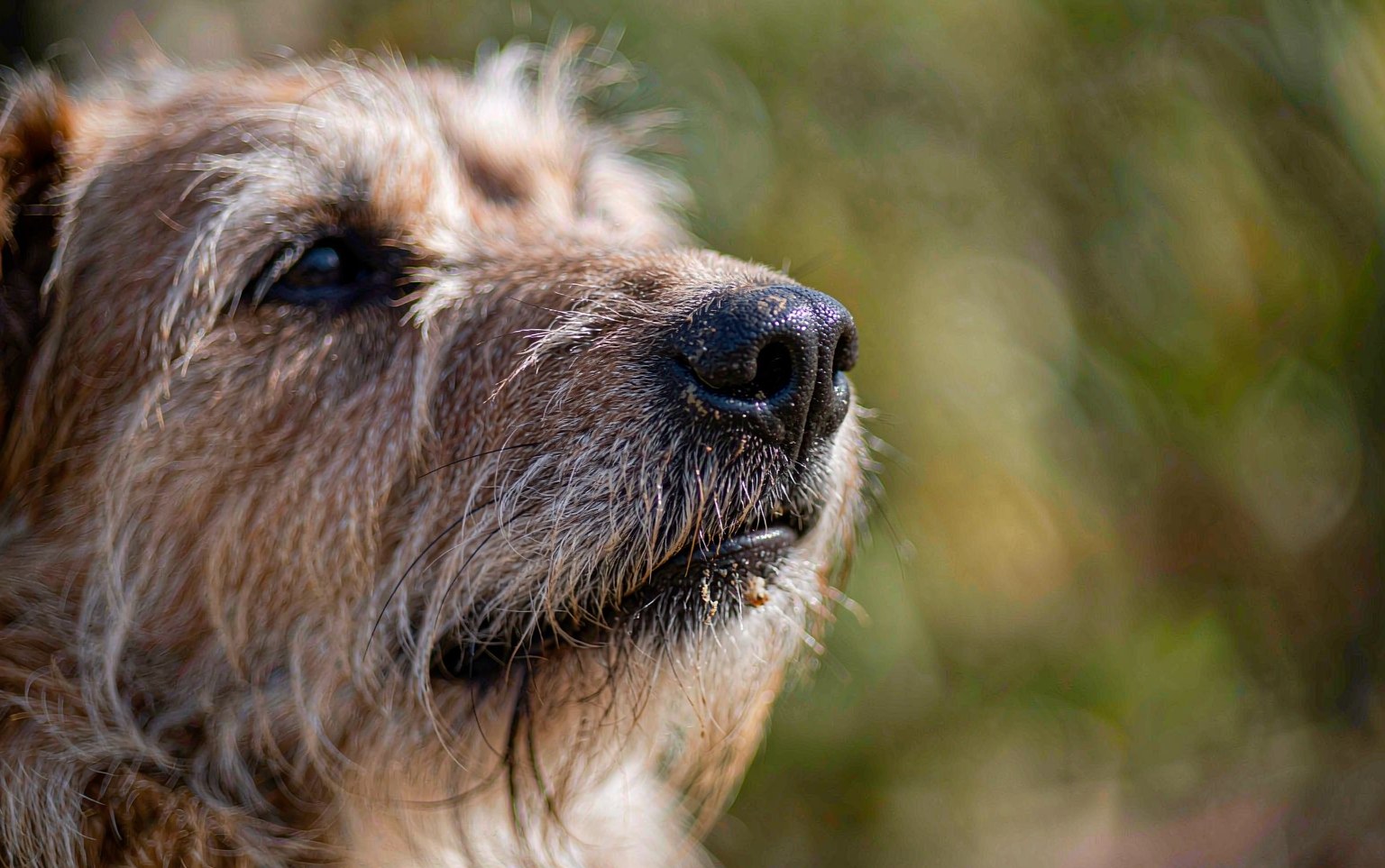
Most affected dogs are otherwise healthy with normal immune systems. Long-nosed, narrow-headed breeds such as Collies and Greyhounds appear to be over-represented, which suggests nasal anatomy plays a role. This should be separated from disseminated aspergillosis, a far more serious syndrome seen most often in German Shepherd Dogs, where the fungus travels through the bloodstream to the spine, kidneys, bones and other organs.
Signs That Point to the Nose
- Heavy nasal discharge, often pus mixed with blood
- Frequent sneezing, sometimes with reverse sneezing episodes
- Nosebleeds from one or both nostrils
- Obvious pain when the nose or face is touched, or sores around the nostrils
- Reduced appetite, low energy and noisy breathing
A discharge that begins on one side and later becomes bilateral, or that changes from thick and pus-like to bloody, is a classic pattern in fungal and tumour-related nasal disease. Sneezing is often the first thing owners notice, and a dog that starts pawing at its face or flinching when the muzzle is touched is telling you the inside of the nose is painful rather than merely congested.
Signs that should not wait include a nosebleed that keeps returning, swelling over the bridge of the nose, or any change in the shape of the face. Deeper lesions that have begun to press on the eye socket can also cause discharge from the eye on the same side.
How Veterinarians Confirm It
Chronic nasal disease in dogs has several look-alikes, including foreign bodies, tumours, dental root abscesses and idiopathic lymphocytic-plasmacytic rhinitis, so the diagnosis is built from several angles. Imaging with X-rays or CT shows turbinate destruction, fungal plaques inside the sinuses and how far the lesion extends. Rhinoscopy allows direct visualisation and sampling of those plaques. Biopsy, deep nasal culture and cytology support the picture, but culture and serology can both mislead: healthy dogs can culture positive, and a negative result does not rule infection out. A positive culture combined with supportive serology, or fungal hyphae found in a sample taken directly from a visible plaque, is much stronger evidence.
Treatment Direction
Treatment aims to clear the fungus from the nasal cavity and sinuses. The usual approach is topical antifungal medication delivered into the nose and sinuses, often under general anaesthesia through tubes placed into the affected spaces. Some dogs also receive systemic antifungal drugs by mouth. Where fungal plaques or damaged tissue persist, surgical debridement of the affected area may be needed. Relapse is possible but uncommon, and follow-up assessment is usually scheduled to confirm the infection has cleared.
Which antifungal is used, how it is delivered and how long treatment continues are decisions for your veterinarian. Never start or repeat antifungal medication on your own, and never give a medication prescribed for another pet. Some antifungal drugs need periodic blood tests to check the liver while they are being used, which is another reason this treatment has to stay under veterinary supervision.
Home care is mainly about observation rather than medication. Keep a simple log of sneezing, discharge colour and any bleeding, and record how much your dog is eating and drinking, so that a change in the pattern is obvious at the next visit.
When to Call Your Vet
Any nasal discharge lasting more than a week or two, any nosebleed, or any sign of facial pain or swelling in a dog should prompt a veterinary visit. Heavy bleeding that will not stop, difficulty breathing, or open-mouth breathing are emergencies that need immediate care.