Outages are short most of the time, which is why nobody prepares for them. But the moment the power fails, your home stops controlling temperature, the automatic feeder stops, and every pet in the house notices that the world changed. A blackout plan is not a big project; it is a box, a room, and two habits.
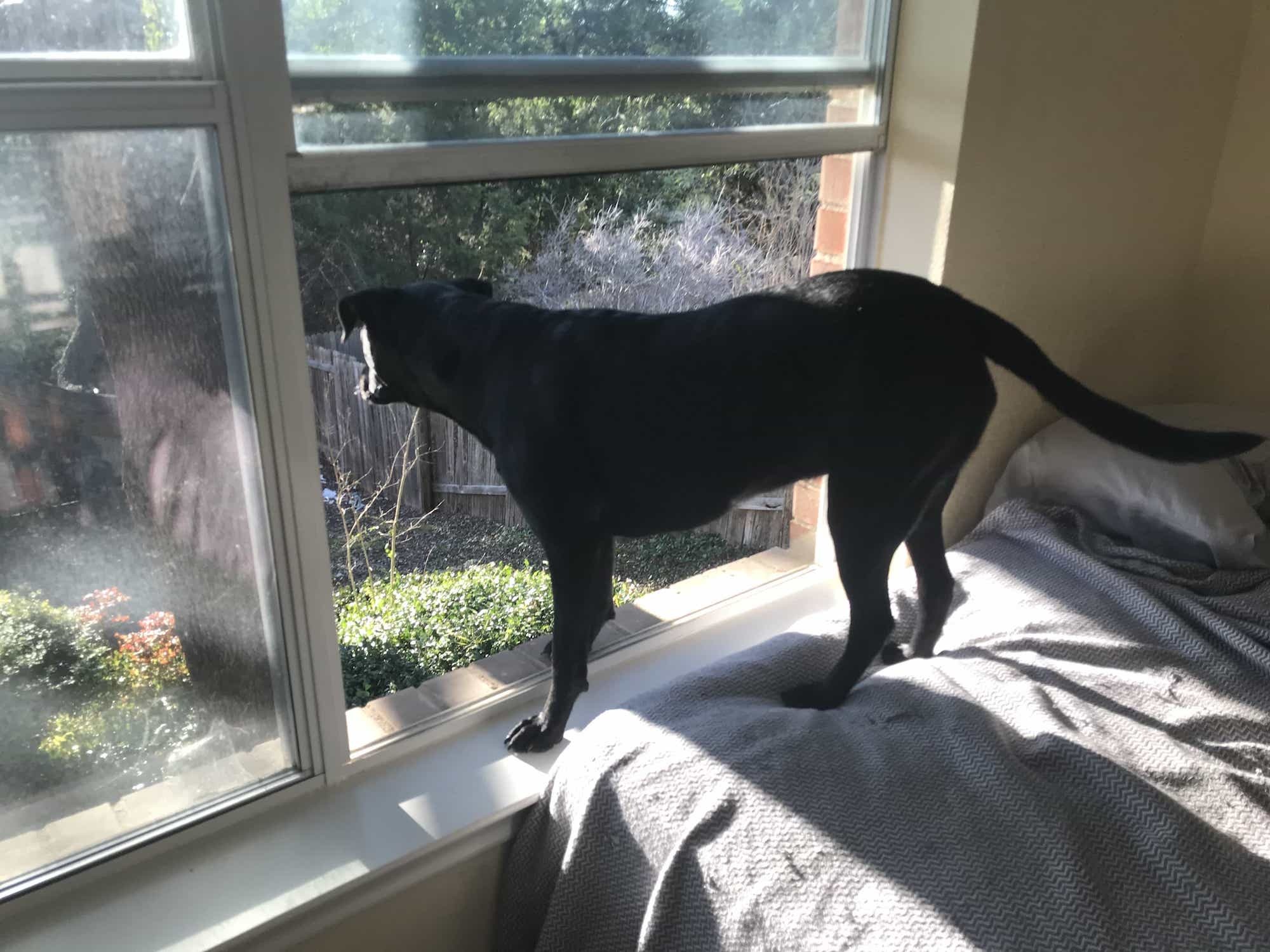
Why an Outage Upsets Pets Faster Than People
Houses hold heat and cool air for a while, but small, senior, very young and short-coated pets lose comfort faster than humans do, and they cannot tell you which room they prefer. Darkness and the beep of a failing appliance spook many dogs, while cats respond to change by hiding, sometimes behind the washer or inside a box you were about to carry out. Repeatedly opening the front door to check the street is the classic moment a frightened cat slips out.
Pack the Kit Before You Need It
- Food and water for several days in airtight containers, plus bowls and a manual can opener.
- A week of medication in its labeled containers, rotated before it expires.
- Litter, a spare box, and waste bags so the safe room needs no trips to the kitchen.
- Leashes, harness and a carrier for each pet, stored by the exit, not buried in a closet.
- Battery lanterns or headlamps instead of candles, and spare batteries.
- Vet records and photos on your phone, plus the emergency clinic’s number saved.
- Familiar blankets and one or two long-lasting chews to keep minds busy.
While You Wait: One Room, Low Stakes
Pick the most temperature-stable room, put every pet’s kit in it, and close the doors. If you use a generator, run it outdoors, far from windows and vents; carbon monoxide builds faster in small bodies than in yours, and candles plus a swishing tail are a fire waiting for a spark. Keep routines odd but familiar: feed at the usual time, top up water bowls, keep the litter box where it usually is if possible. Watch for comfort signals rather than waiting for trouble.
| Signal | What it usually means | What to do |
|---|---|---|
| Heavy panting, drooling, bright red tongue, restlessness | Too warm | Move to the coolest room, offer cool water, fan air across the pet |
| Shivering, hunched posture, cold ears and paws, curling tight | Too cold | Move to the warmest room, add blankets, close curtains |
| Hiding, refusing food, pacing at the door | Stress | Stay in the room, speak calmly, offer a familiar bed or chew |
If a pet does not settle, or any signal escalates, call your veterinarian or the nearest emergency clinic for guidance.
After the Lights Return
Before you relax, walk the house: check under beds and behind appliances for hiding cats, count the animals, and look for chewed cords or knocked-over items the darkness hid. Reset feeder timers and thermostats, refresh water, and restock whatever the kit is now missing. Write down what ran out first; that is the item to buy two of next time.
A blackout is a logistics problem, not a crisis, if the logistics already exist. One box, one stable room, doors kept closed, and both you and your pets can wait out the dark without it turning into an emergency.