The single most common feeding mistake in red-eared sliders is simple: people feed an adult turtle the way the pet shop told them to feed a hatchling. Sliders change their diet dramatically with age, and ignoring that curve leads to obese, shell-deformed adults with fatty liver disease.
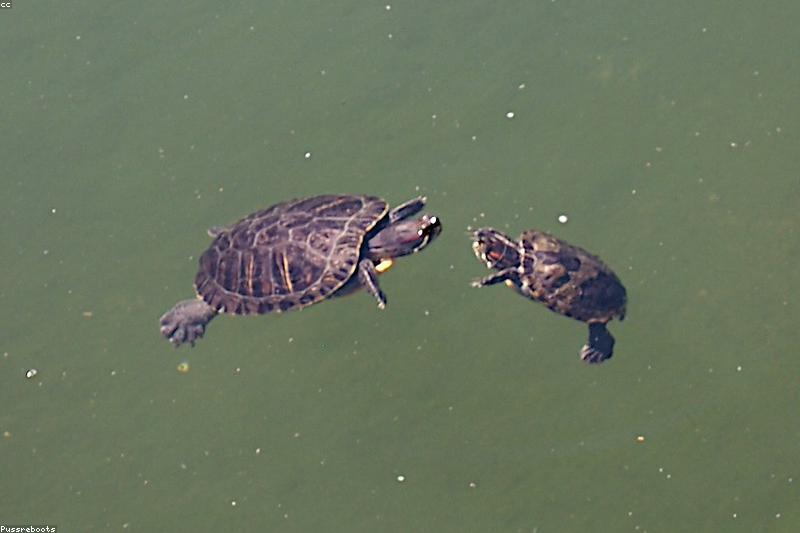
The Age-Protein Curve
Young sliders are essentially carnivores chasing fast growth. As they mature, they become omnivores with a strong plant bias. Here is the target balance:
| Life stage | Diet balance | Frequency |
|---|---|---|
| Hatchling (0–6 months) | 70–80% protein, rest greens | Daily |
| Juvenile (6 months–2 years) | About 50/50 | Daily or every other day |
| Adult (2+ years) | About 70% plants, 30% protein | Every other day to 3× weekly |
What Goes in the Bowl
Quality aquatic turtle pellets are a good baseline, but they should be part of a varied plan, not the whole menu. Rotate leafy greens daily for adults: collard greens, dandelion greens, mustard greens, romaine, and endive. Aquatic plants such as anacharis and duckweed are the most natural adult food — sliders graze them happily. Animal protein options include earthworms, bloodworms, and gut-loaded crickets; adults need them only about once a week.
Portion guide: offer roughly what would fit inside the turtle’s head, excluding the neck, or what gets finished in 10–15 minutes. Sliders beg constantly — do not confuse enthusiasm with hunger.
Always Feed in Water
Sliders have no saliva and can only swallow in water. Drop food into the tank, or use a separate feeding tub with warm dechlorinated water to keep the main tank cleaner. Remove uneaten food within 20–30 minutes; leftovers foul the water fast and overload your filter.
Calcium and the Do-Not-Feed List
- Keep a cuttlebone in the tank for free-choice calcium
- Dust food with calcium powder (no phosphorus) 2–3 times weekly
- UVB lighting is essential for turtles to use that calcium properly
- Skip: iceberg lettuce, spinach as a staple, goldfish (thiaminase), processed human food, dog or cat food
- Fruit: one or two tiny pieces weekly at most
Watch the shell: a smooth, firm carapace and a turtle that basks and swims actively means the diet is working. A soft, pyramided, or lopsided shell is a signal to revisit the protein curve, calcium, and UVB together.