For decades the standard advice for cats entering their golden years was to cut back on protein to protect the kidneys. Modern veterinary nutrition has flipped that advice on its head. For a healthy senior cat, the goal is usually more high-quality protein than an adult maintenance diet provides, not less.
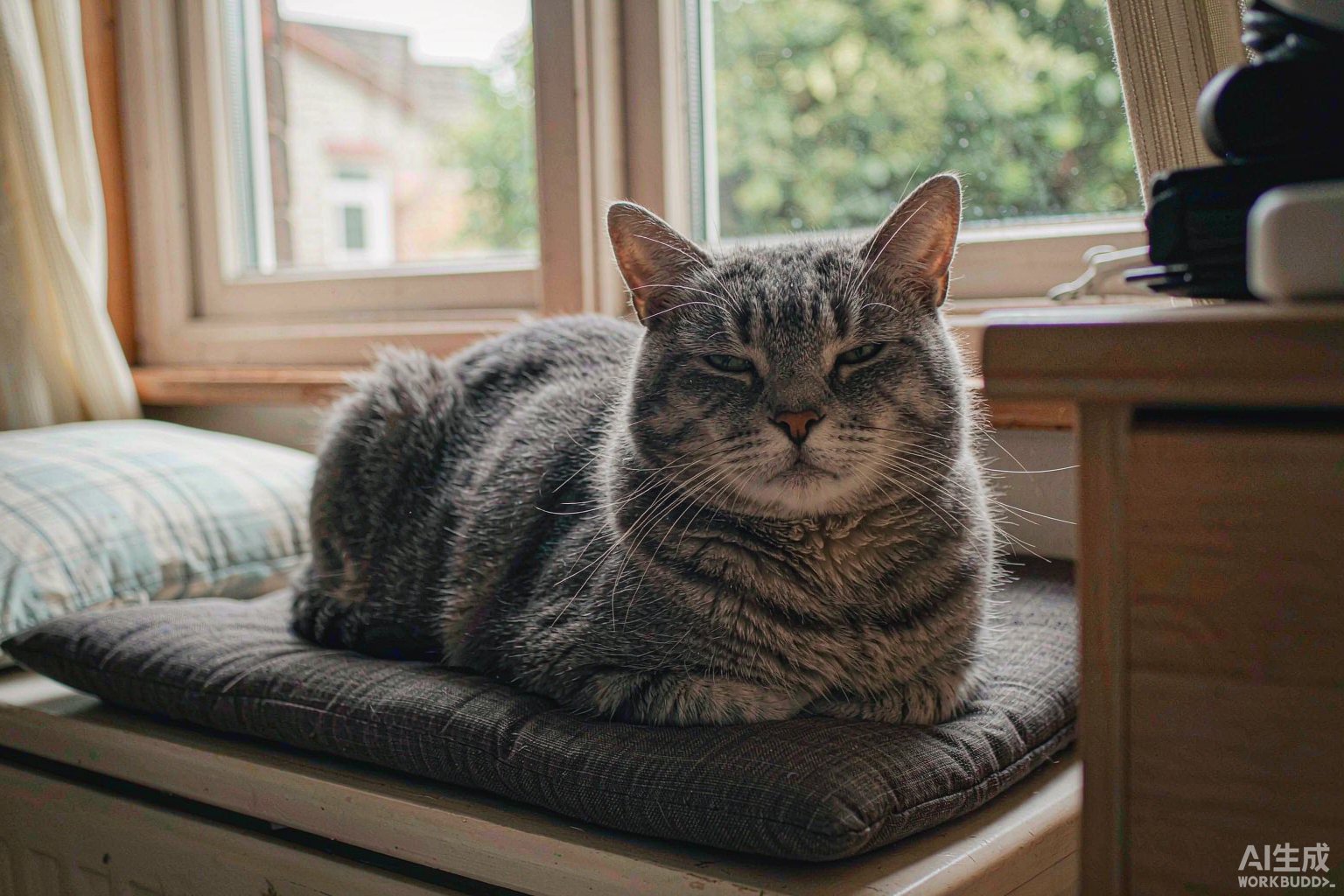
Aging Changes How Cats Use Protein
From roughly age 11 onward, many cats lose some ability to digest and absorb protein and fat. Research suggests between 30 and 40 percent of senior cats experience this decline, which is a normal part of feline aging rather than a disease. When less of each meal is actually absorbed, the same food that sustained your cat at age five can fall short at age thirteen. The visible consequence is sarcopenia, the gradual loss of skeletal muscle: a prominent spine and shoulder blades, a thinner hind-end, a dull coat, or steady weight loss despite normal eating. Progressive muscle loss is often mistaken for “just getting old,” but it responds well to dietary changes when caught early.
The Numbers Behind the Advice
AAFCO sets the adult maintenance protein minimum at 26 percent on a dry matter basis. Veterinarians following American Animal Hospital Association guidance typically recommend noticeably more for healthy seniors to preserve lean muscle.
| Cat | Protein (dry matter) | Notes |
|---|---|---|
| AAFCO adult minimum | 26% | floor for any maintenance food |
| Healthy senior cat | 30–45% | AAHA-informed target range |
| Cat with CKD | vet-directed | renal diet, moderate restriction |
The Kidney Question, Settled Carefully
The protein-restriction habit was borrowed from human and rat nephrology, and the evidence in cats never showed that restricting protein in healthy cats protects the kidneys. Current practice draws a clear line: for cats diagnosed with stage 2 or higher chronic kidney disease, a specially formulated renal diet remains the standard of care. For earlier-stage cats, changes are considered only when markers like elevated urine protein appear. Even renal diets are not simply “low protein” — studies found that adequate essential amino acids, not just total protein, are what preserve muscle. A healthy senior cat with normal bloodwork should not be on a protein-restricted diet.
Choosing and Serving Food for an Older Cat
- Pick foods with named animal proteins such as chicken, turkey, or fish in the first ingredients, ideally from more than one source.
- Prioritize digestibility; an aging gut gets more value from highly digestible protein than from a higher quantity of a poorly digested one.
- Consider wet food, which adds 75–80 percent moisture at a life stage when many cats already drink too little.
- Warm the food slightly and keep meals predictable to support a fading appetite.
- Weigh your cat monthly; slow loss is the earliest visible warning sign.
Appetite and diet are only half the picture. Senior cats should have bloodwork and blood pressure checked at least once a year, because kidney disease, overactive thyroid, and diabetes all change what the ideal diet looks like — and each is far easier to manage when caught before the weight drops.
The takeaway: unless kidney disease is diagnosed and staged by a veterinarian, an older cat needs generous, digestible, high-quality protein to hold onto muscle. When in doubt, ask for bloodwork rather than reaching for a “senior light” formula.