When summer heat arrives, owners of fluffy dogs start asking groomers the same question: would not a shave cool him down? For single-coated breeds, a trim can genuinely help. For double-coated breeds such as huskies, German shepherds, golden retrievers, corgis, and Pomeranians, the answer from veterinary dermatologists and the American Kennel Club is a firm no, and the reason is better engineering than most people expect.
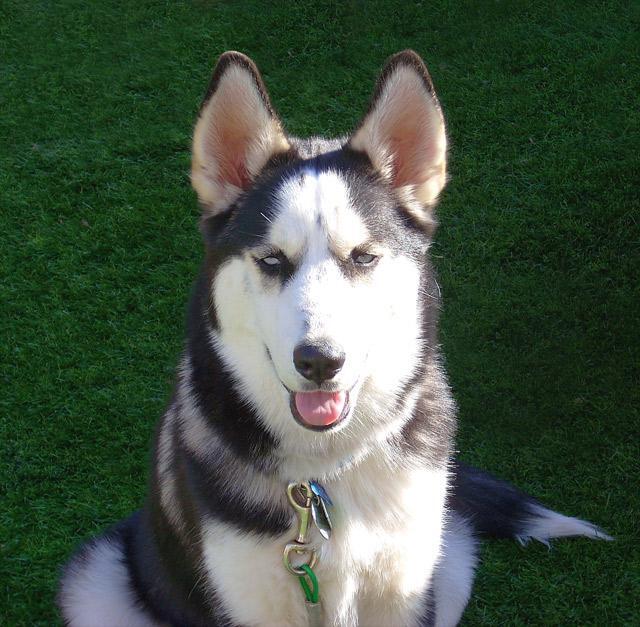
What the Double Coat Actually Does
A double coat is two layers with two jobs. The outer coat of coarse guard hairs repels water, blocks ultraviolet rays, and shields the skin from insects and abrasion. Beneath it, the dense undercoat traps a layer of still air against the skin: a thermos that works in both directions, holding body heat in during winter and slowing outside heat from reaching the skin in summer. Dogs barely sweat through their skin anyway. They dump heat mainly by panting and through sweat glands in the paw pads, so shaving the coat does not improve the cooling system; it deletes the insulation layer.
What Goes Wrong After a Shave
- Sunburn and skin damage: guard hairs are the sunscreen. Bare skin burns, and long-term exposure raises skin cancer risk.
- Overheating risk goes up, not down: without the insulating buffer, radiant heat reaches the skin directly.
- Patchy, altered regrowth: the fast-growing undercoat often crowds out the slower guard hairs, leaving a woolly, off-color coat.
- Post-clipping alopecia: in some breeds, spitz types especially, follicles stall after clipping and the coat can look abnormal for a year or longer.
- Skin irritation: clipper nicks and exposed skin invite infections, ingrown hairs, and parasite bites.
| Coat type | Summer plan |
|---|---|
| Double coat: husky, German shepherd, golden, corgi, Pomeranian | Never shave to the skin; de-shed and brush instead |
| Single coat: poodle, Maltese, greyhound, boxer | A trim is fine, but leave at least one inch for protection |
| Severely matted or medical cases | A vet or professional groomer decides; clinical exceptions exist |
What Actually Keeps Them Cool
Work with the coat instead of against it. Brush two to three times a week, and daily during the spring and fall coat blow, using an undercoat rake or grooming rake to pull out the dead undercoat that blocks air circulation. Trim the fur between the paw pads, where those sweat glands sit, and tidy long feathering on the belly and legs if you like; groomers agree those areas help cooling. Add cool baths when the dog needs cleaning, constant shade and fresh water, and move walks to early morning and late evening. If your dog still struggles in the heat despite all of this, talk with your veterinarian rather than reaching for the clippers. A freshly de-shedded dog often looks slimmer yet is better protected than before, because what came out was dead hair, not the working coat.
The double coat is not a winter blanket your dog is stuck with in July. It is a two-way regulator, and it keeps working in summer as long as you keep it brushed, unmatted, and attached to the dog. Shaving feels like relief; in practice it is the summer grooming move most likely to backfire.