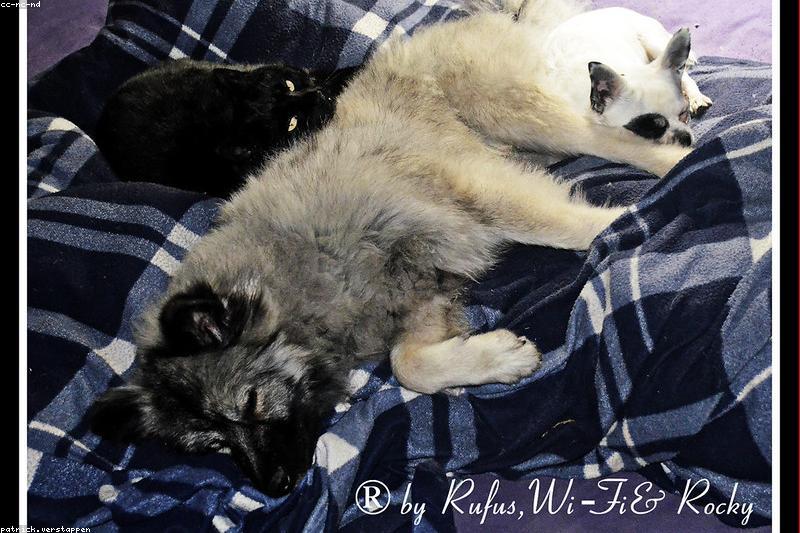
In many homes a cat and a dog share a kitchen, a couch, and occasionally a bowl. Sharing water is fine. Sharing food is not, because cats and dogs sit at very different points on the carnivore spectrum, and their commercial diets are built to different nutrient profiles. The clearest example is taurine, an amino sulfonic acid that keeps hearts and retinas working.
Cats Cannot Make Enough Taurine
Cats are obligate carnivores. They can synthesize only tiny amounts of taurine from the precursor amino acids methionine and cysteine, and they lose taurine constantly because they use it to conjugate bile salts. Dogs, by contrast, synthesize taurine efficiently and have no AAFCO dietary minimum for it. That is why cat food is legally formulated with added taurine and dog food generally is not.
What Deficiency Does, and How Fast
According to the Merck Veterinary Manual, a cat fed a taurine-inadequate diet can develop dilated cardiomyopathy (DCM), a weakening of the heart muscle, as well as central retinal degeneration that leads to irreversible blindness, and reproductive failure. Clinical signs can appear within weeks to months. The encouraging part: feline DCM from taurine deficiency is one of the most preventable and often partially reversible cardiac diseases, if supplementation starts early. The same logic applies to other cat-only nutrients such as preformed vitamin A and arachidonic acid, which dogs can manufacture themselves.
The Numbers Behind the Labels
AAFCO’s adult-maintenance minimums make the gap concrete:
| Nutrient | Adult cat | Adult dog |
|---|---|---|
| Crude protein | 26% | 18% |
| Crude fat | 9% | 5% |
| Taurine | 0.10% dry / 0.20% canned | No minimum |
| Arginine | 1.04–1.25% | 0.51% |
Cats also burn protein for energy around the clock, so their floor is higher even before taurine enters the picture. A dog sneaking cat food does not risk deficiency, but cat food’s calorie and fat density adds weight quickly; a cat relying on dog food fails on every line of that table at once.
Dogs Have Their Own Taurine Question
Dogs normally meet their needs through internal synthesis, but the FDA’s 2018–2023 investigation into diet-associated DCM documented heart disease in atypical breeds eating grain-heavy-free formulations rich in peas and lentils. The agency closed the investigation without a definitive cause, and it continues to monitor reports. The practical takeaway is not panic: feed a complete and balanced diet from a manufacturer with nutritional expertise, and mention any breed or diet history to your veterinarian.
Rules for Multi-Pet Households
- Feed cats a diet labeled complete and balanced for cats; never use dog food as a cat’s staple.
- A stolen mouthful of the other species’ food is harmless; chronic substitution is not.
- Do not “boost” a cat’s dog-food meal with a taurine capsule instead of feeding proper cat food.
- Keep dog food out of feline reach and cat food up high, since cat food’s fat and calorie density can add unhealthy weight to dogs.
- If a cat has eaten dog food for weeks and seems lethargic, breathes rapidly, or bumps into objects, see a veterinarian promptly.
Bottom line. Different species, different label minimums, different bowls. A wall-mounted cat feeder or a simple feeding schedule for each pet solves most of the problem, and your cat’s heart and vision depend on it.