Birds travel differently from dogs and cats. They hide illness until stress exposes it, they are exquisitely sensitive to temperature swings and drafts, and a loose toy that is fun at home becomes a hazard at highway speed. None of this means travel is off the table; it means preparation matters more, and it starts weeks before the engine does. Here is how to plan a car trip with a pet bird, from vet clearance to hotel check-in.
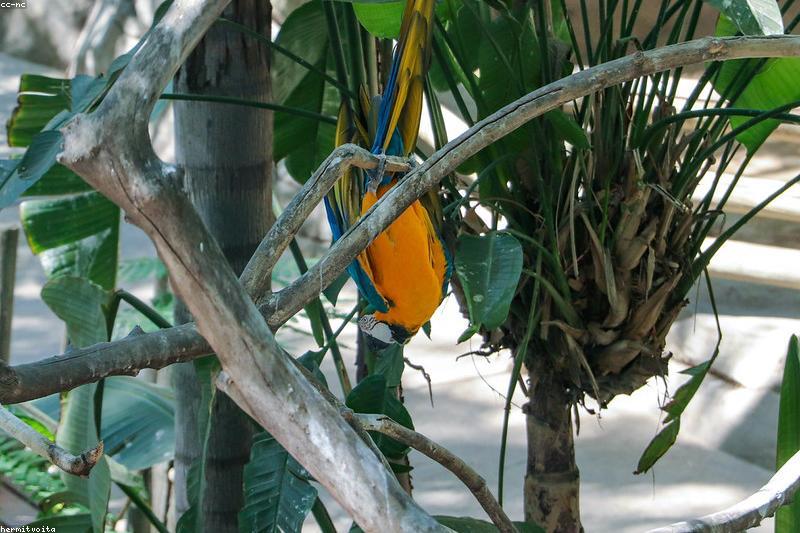
Before You Book: Is Your Bird Fit to Travel?
Schedule a pre-travel exam at least two weeks ahead. Birds mask sickness instinctively, so a vet check of weight, respiration, and hydration is the only reliable green light, and it leaves time to address anything found. In the final 24 hours before departure, watch for sneezing, tail-bobbing, or fluffed feathers: any of these means the trip waits. Birds with recent illness, poor appetite, or a history of travel stress are often better off staying home with a trusted sitter, and there is no shame in choosing that.
Choosing and Stripping the Carrier
A sturdy, hard-sided travel carrier with fine, opposite-facing vents beats the home cage for car safety. Size it to roughly one and a half times your bird’s wingspan with a few inches of headroom, and match the material to beak strength: acrylic and solid plastic resist chewing, while thin metal conducts cold and cracked edges snag feathers. Then strip the interior down. Perch toys, bells, and dangling strings break loose on bumpy roads and become choking or entanglement hazards, so travel means a low, stable perch or a towel-lined floor where droppings are easy to monitor, and nothing else.
Acclimation and the Rules of the Road
Give your bird 14 to 21 days of carrier practice before the trip: sit in the parked car with the engine running, then short loops around the block, building up with food rewards. On travel day, the rules are simple and non-negotiable:
- Strap the carrier in with a seat belt so a bump cannot turn it into a projectile.
- Keep the cabin near your bird’s normal room temperature, and never let vents blow directly into the carrier; drafts chill birds fast.
- Cover part of the carrier with a light towel to block window motion and direct sun, without sealing airflow.
- Take a quiet break every two hours, engine off before opening anything, offering water and a familiar snack.
- Never leave the bird alone in a parked car, in any season, for any duration.
Offer less food on short hops, since a full crop makes motion sickness worse, and feed properly during longer breaks instead.
The Travel Kit Checklist
- Stripped travel carrier with a secure perch and attached food and water dishes
- Regular food plus extra, and bottled water from home to avoid stomach upsets
- Paper towels, bird-safe wipes, and spare liners for predictable messes
- A small avian first-aid kit approved by your vet, plus styptic powder
- Copies of vet records, a recent photo, and the leg band number
- Cage cover for privacy and a portable perch for the destination
Hotels and Reading Your Bird Right
“Pet-friendly” does not reliably mean bird-friendly, so call the specific hotel property before booking and ask about birds specifically. In the room, set the carrier in a calm corner away from drafts, windows, mirrors, ceiling fans, and cleaning fumes, and keep your bird confined there rather than roaming an unfamiliar space full of hazards. All the while, watch the stress signals that matter: open-mouth breathing, fluffed and motionless posture, or loss of grip on the perch mean stop, settle, and call a vet rather than press on. Planned this way, travel with a bird is not a gamble; it is a routine with a checklist, and the checklist is what keeps the whole thing calm.