The old saying is wrong. Senior dogs learn new things all the time — often more calmly than puppies, with longer attention spans and better impulse control. What changes with age is not the ability to learn, but the conditions that help learning happen. Adapt those and you can keep your older dog’s mind bright and your bond strong for years.
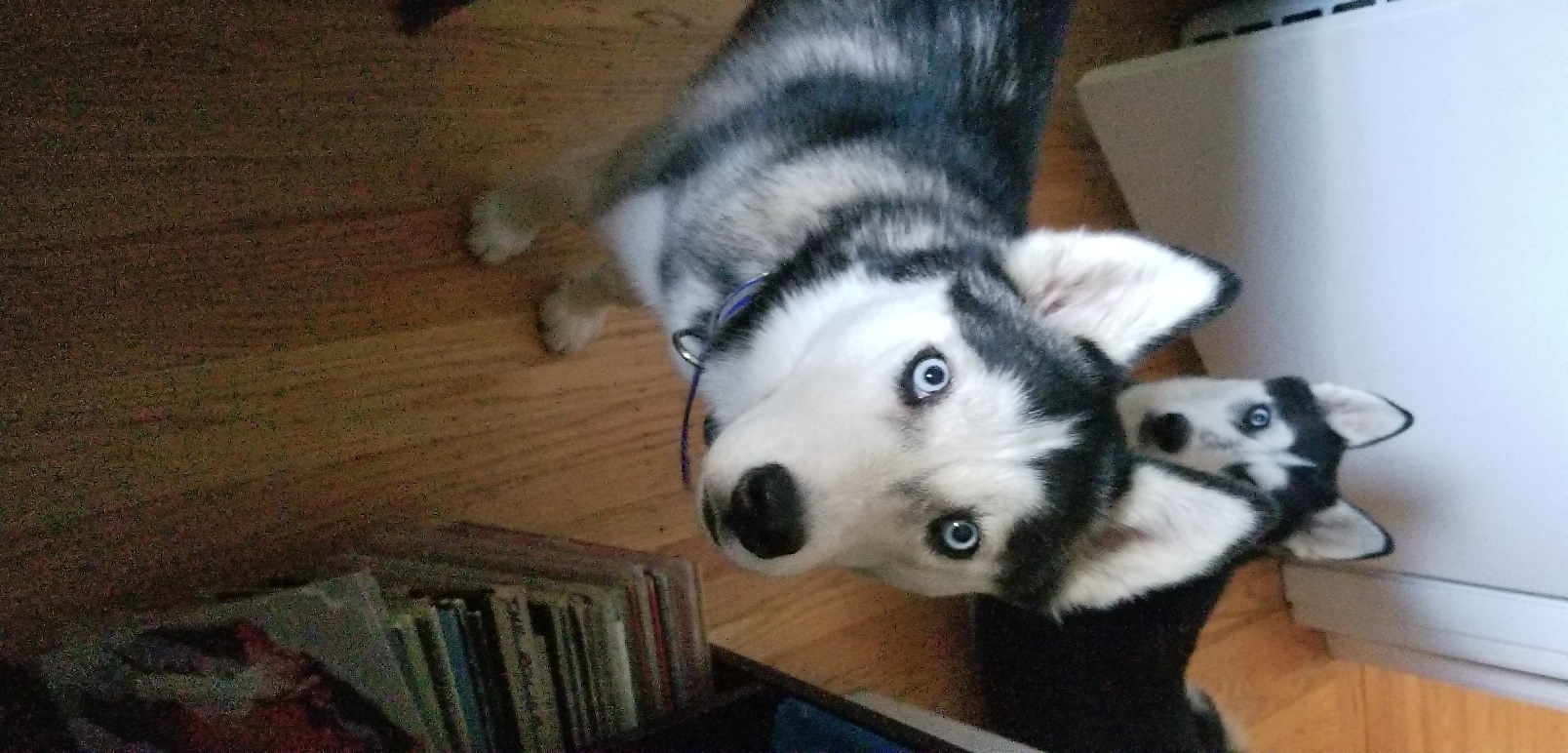
Why Older Dogs Are Often Easier Students
By the time a dog reaches their senior years, they usually have three advantages: a long history with you, a settled routine, and the ability to pay attention for more than a few seconds. Many already know some cues, so new skills can be built on top of old ones. Patience, consistency and generous rewards still do the heavy lifting — but the lessons tend to stick just as well as they do with a young dog.
Start With Health, Not With the Clicker
Before any new training plan, a veterinary check-up is worth the appointment. Arthritis, dental pain, reduced hearing or vision, and age-related cognitive changes can all look like “stubborn” or “slow to learn”. A dog who suddenly stops holding a sit comfortably may be uncomfortable rather than unwilling, and no amount of repetition fixes pain. If your dog’s behaviour changes suddenly, or training consistently triggers fear, stop and talk to your vet first.
Adapt the Session, Not the Dog
| Area | Puppy-style approach | Senior-friendly version |
|---|---|---|
| Session length | 5–10 minutes, several times a day | 3–5 minutes, once or twice a day, with rest in between |
| Rewards | Small crunchy training treats | Soft, easy-to-chew treats; mix in part of the daily meal to keep calories in check |
| Positions | Sit, down, spin, roll over | Nose-to-hand touch, a focused look, a gentle stand |
| Cues | Verbal only | Add hand signals for fading hearing; stay in your dog’s line of sight |
| Surfaces | Anywhere | Non-slip mats, no sharp turns, no jumping |
Great First Skills for an Older Dog
- Hand target. Nose to palm — low effort, endlessly useful, and the foundation for many other skills.
- A calm look. Reward your dog for checking in with you. It is the seed of every reliable recall.
- Go to mat. A comfortable bed is easy to hold, and it makes doorbells, visitors and vet visits far calmer.
- Scent games. Hiding treats in a snuffle mat or around one room keeps the nose working while the body rests.
- Easy wins. Refresh sit, wait and come with generous rewards. Confidence comes from success, not from difficulty.
Watch for Fatigue and Stop Early
Signs that the session is over: yawning, lying down mid-request, sniffing the floor, looking away, or responses getting slower. End before those appear, not after, and always finish with something your dog knows well. Two joyful minutes will teach your dog more than twenty minutes of grind — and it protects the thing that matters most, which is your dog’s enthusiasm for working with you.
At this stage the goal is less about polished obedience and more about keeping the brain engaged. Short daily sessions, slow sniff walks, puzzle feeders and gentle new tricks all count as mental exercise, which is often easier on an aging body than more physical activity. You are not preparing for a competition. You are keeping your dog curious, connected and confident.
Your older dog is still learning, still interested, still yours. Bring soft treats, short sessions and a little patience, and prove the old saying wrong — one gentle session at a time.