Your puppy knew “sit” last month. Now they pull toward every squirrel, ignore their own name, and treat the sofa like a personal excavation project. Nothing has gone wrong — your dog has entered adolescence, the canine teenage phase. Understanding what is happening, and what to do about it, makes these months far more manageable.
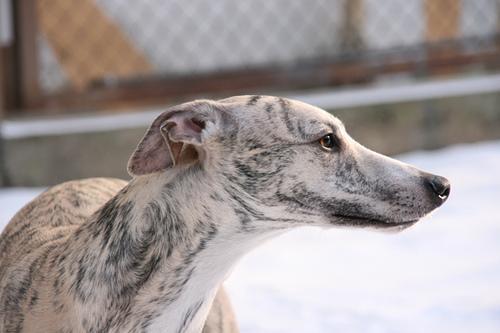
What Is Actually Happening
Adolescence usually begins around six months and can run to 18 months or even two years, depending on breed and size. Hormones shift, attention spans shrink, confidence grows, and the world suddenly becomes deeply interesting. Your dog is not erasing earlier training. They are testing it in a much busier world while their brain is still developing.
Large breeds often mature later than small ones, and individual temperament plays a big part. A dog who looks fully grown may still be emotionally months away from adult behaviour — and that is normal.
Why Solid Cues Suddenly Fail
A “down” in the living room is easy. A “down” beside a busy football pitch, with another dog and a dropped sandwich nearby, is a completely different question. Dogs do not automatically generalise a cue from one place to another, so what looks like forgetting is usually a context gap.
Going back a step is not failure — it is the correct answer. Ask for an easier version, reward generously, then build difficulty by changing only one thing at a time: distance, duration or distraction. If your dog cannot respond, create more space or use a better reward.
Management First, Training Second
Every rehearsal of an unwanted behaviour makes it stronger. Management stops the rehearsal while you build the behaviour you actually want.
| If your dog… | Manage it by… |
|---|---|
| Counter-surfs | Keeping food off the edges; using a gate or a mat station while you cook |
| Dashes out of doors | Using a long line and asking for a wait before every exit |
| Lunges at other dogs | Choosing wider routes and creating distance before your dog reacts |
| Jumps on guests | Greeting outside, with a scatter of food or a mat to land on |
Skills Worth Rebuilding Now
- Recall. Reward every check-in. Call, pay, then often release your dog back to sniffing — so “come” never means the fun ends.
- Loose leash walking. Reinforce a slack lead and a glance back toward you. If the lead tightens, pause or change direction instead of jerking it.
- Settling. Reward calm on a mat while life happens around you. Most teenage “behaviour problems” are really regulation problems.
- Leave it. Practise with safe, controlled setups at a distance where your dog can still eat and think.
Keep practice short and frequent. Two minutes of rewarded check-ins during a walk often does more than twenty minutes of drilling in a distracting place.
Rest Is Part of the Plan
An overtired teenager is an impulsive teenager. Long, exciting days without enough sleep often produce more mouthing, more barking and more mistakes, not fewer. Balance walks and play with chew time, naps and calm enrichment, and you will usually see the behaviour improve without changing a single cue.
Sudden fearfulness, repeated lunging, snapping, guarding food or objects, or panic when left alone deserve timely support rather than a wait-and-see approach. A force-free trainer or veterinary behaviourist can build a plan around your dog’s emotional state, not just their obedience.
Adolescence is a stage, not a verdict. Short reward-based sessions, clear routines and enough rest will carry you through it — and the dog waiting on the other side is usually the companion you were hoping for.