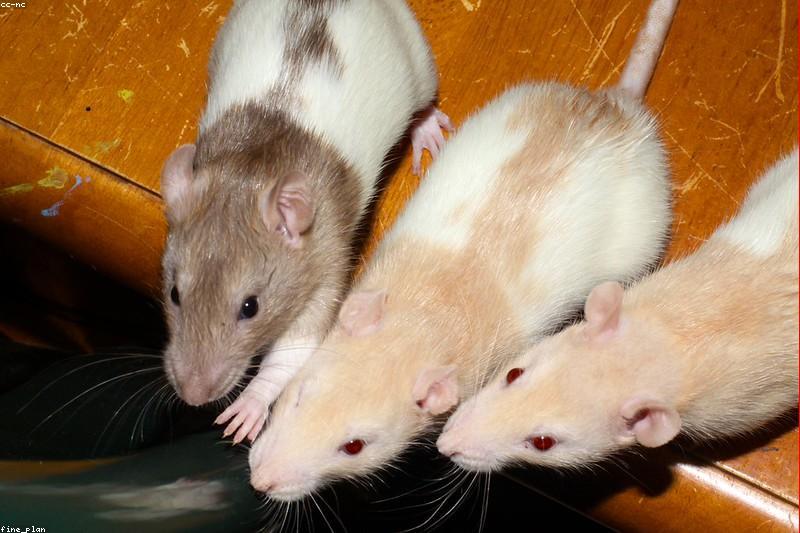
Of all the small pets kept in homes, the fancy rat may be the most underrated. Domesticated from the brown rat, fancy rats are clever, clean, and genuinely affectionate – they learn their names, solve puzzles, ride on shoulders, and greet their people at the cage door. They are also a serious commitment in miniature: brilliant minds, strong social needs, and a lifespan of only two to three years that makes every week count.
Quick Facts
| Fact | Detail |
|---|---|
| Lifespan | 2 to 3 years |
| Adult weight | About 250-500 g (males larger than females) |
| Temperament | Curious, gentle, highly trainable |
| Social needs | Must live in same-sex pairs or groups |
| Activity | Most lively at dawn and dusk and during the night |
Housing: Tall, Multi-Level, Well-Ventilated
Rats climb, so height matters as much as floor space. Choose a wire cage with narrow bar spacing, solid floors, and multiple levels filled with ropes, hammocks, platforms, and hideouts. Bedding should be paper-based or fleece – never pine or cedar shavings, which irritate the respiratory tract. Ventilation matters more than almost anything else: rats are prone to respiratory disease, and ammonia from a dirty cage makes it worse, so spot-clean daily and do a full clean weekly. Keep the cage indoors, out of direct sun and draughts, and comfortably cool – rats handle cold far better than heat and can suffer in high temperatures.
Feeding
Diet is straightforward if you keep the proportions right:
- A complete rat block or lab-style pellet as the daily staple, always available
- Fresh vegetables most days – leafy greens, carrots, broccoli, peas
- Small amounts of fruit, cooked egg, or mealworms as occasional treats
- Fresh water from a bottle, changed daily
- Avoid the seed-and-grain “muesli” mixes that let rats pick out only the fatty bits
Rats gain weight easily, so keep treats modest. Never feed chocolate, avocado, sticky sweets, or anything mouldy, and go easy on citrus for males.
Company and Handling
A single rat is a lonely rat – same-sex company is not optional. Rats are colony animals, and those kept alone show measurable stress and shorter lives. Same-sex pairs or small groups settle together well, especially when introduced young. For handling, let the rat come to you: offer a treat at the cage door, scoop gently rather than gripping, and let your rats climb onto your hands, lap, and shoulders. A content rat grinds its teeth softly (called bruxing) – the rodent equivalent of a cat’s purr. Daily time out of the cage in a rat-proofed room, plus tunnels, digging boxes, and rotated toys, keeps their quick minds busy.
Health Watchpoints
Rats hide illness until it is advanced, so a good exotics vet found before problems start is essential, with annual check-ups. Know the common issues:
- Respiratory disease – sneezing, snuffling, red staining around the eyes and nose, or noisy breathing; needs prompt antibiotics and a cleaner environment
- Tumours – lumps are common, especially in unspayed females; early removal works best
- Dental and foot problems – provide chew wood and solid, clean cage floors
See a vet urgently for open-mouth or laboured breathing, refusal to eat or drink beyond 12 hours, sudden weakness or head tilt, or a rapidly growing lump. Accept that vet costs may eventually exceed the price of the rats themselves – that is the honest fine print of rat keeping. In exchange, you get a pet that learns its name, plays with intention, and bonds like a much larger animal. For a family willing to keep a pair and pay attention, the short lifespan is the only real downside of an otherwise outstanding first small pet.