Dwarf hamsters are not simply small Syrians. Campbell’s and Winter White hamsters carry a genuine genetic predisposition to diabetes, and feeding advice written for a bigger hamster can quietly push them toward it. The good news is that the fix is cheap and simple: a measured portion of a uniform pelleted food, a little fresh vegetable, and very little sugar.
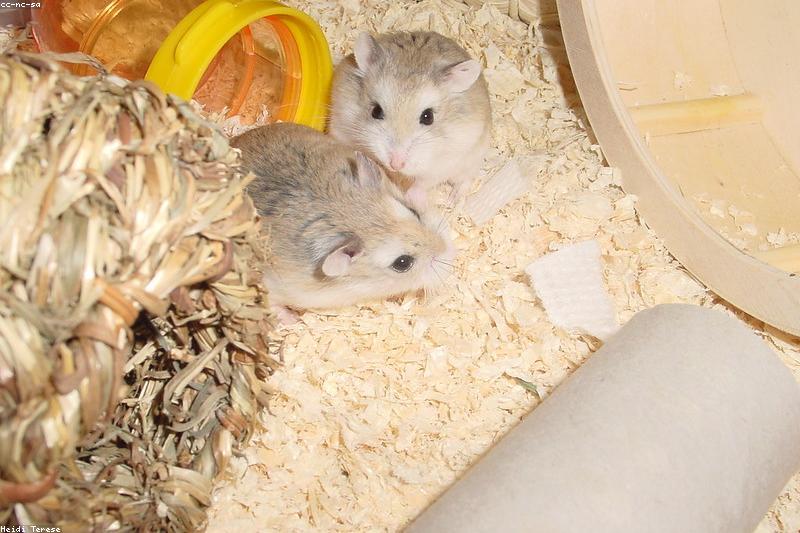
How Much a Dwarf Hamster Eats
A healthy Campbell’s or Winter White hamster weighs roughly 40 to 60 grams, and a Roborovski often less. That small body does not need much fuel. One to two teaspoons of dry mix a day covers an adult, which is only about six to eight grams. Offer it at roughly the same time each evening, because hamsters wake at dusk and feeding then matches their natural foraging rhythm.
Choosing the Base Food
The foundation of the diet should be pellets or an extruded block with a consistent recipe, not a colourful seed mix. The reason is selective feeding: given a mix, a hamster picks out the fatty seeds and sugary dried fruit and leaves behind the pieces that carry the vitamins and minerals. A uniform pellet removes both the choice and the problem.
| Nutrient | Target for a dwarf hamster | Why it matters |
|---|---|---|
| Protein | 17–20% | Muscle, coat and tissue repair |
| Fat | 4–6% | Energy and healthy skin, but easy to overdo |
| Fibre | 8–15% | Gut health and steady digestion |
| Sugar | Under 3%, ideally under 2% | Directly linked to diabetes risk in dwarfs |
Seeds still have a place as a supplement rather than a staple. Pumpkin and flax seed are useful; sunflower and peanut should stay occasional, because their fat content adds weight quickly.
Fresh Food and Treats for Dwarfs
- Vegetables: about one teaspoon daily, such as broccoli, cucumber, courgette, bell pepper or kale.
- Fruit: the strictest item on the list. Winter Whites once a week at most; for a Campbell’s dwarf, skip fruit entirely.
- Protein treats: half a mealworm or a small piece of plain cooked egg, once or twice a week.
- Remove uneaten fresh food within a few hours, so it does not spoil in the bedding.
- Avoid citrus, onion, garlic, avocado, raw beans and raw potato, chocolate, and anything salted or sweetened.
Yoghurt drops, honey-coated sticks and dried fruit cubes are marketed directly at dwarf hamster owners, and they are the easiest way to push sugar intake past a safe limit without noticing.
Watching for Diabetes
Because the risk is inherited rather than purely dietary, know the signs: drinking far more than usual, wet bedding from heavy urination, an appetite that stays high while weight drops, cloudiness in the eyes from cataracts, and lethargy or a poor coat. A vet can screen urine for glucose with a simple dipstick. There is no home cure, but diet and weight control make a real difference to how long an affected hamster stays comfortable.
Everyday Habits That Keep Dwarfs Healthy
- Weigh your hamster monthly on a small kitchen scale. A steady trend tells you far more than one reading.
- Check the water bottle daily and clean it weekly; dwarf hamsters dehydrate quickly.
- Scatter part of the daily ration so the hamster has to forage instead of eating from a bowl.
- Check stashes before refilling the bowl. A full hoard plus a full bowl is how most dwarf hamsters end up overweight.
- Offer a correctly sized wheel, since exercise is the other half of weight control.
A dwarf hamster’s diet is not complicated. Measure the portion, keep sugar very low, add a small amount of fresh vegetable, and let exercise do the rest. Getting that right is the difference between a hamster that lives out its full two to three years and one that develops diabetes at six months.