A chinchilla with a tidy coat one week and a ragged, chopped patch across the flanks the next usually is not sick in any obvious way. The animal is barbering itself — chewing its own fur shorter than the rest. It is one of the most common behavioural problems in pet chinchillas, and the fur is not the real issue. Fur chewing is a symptom; the cause almost always sits in the environment or the diet, and it will not stop until you find it.
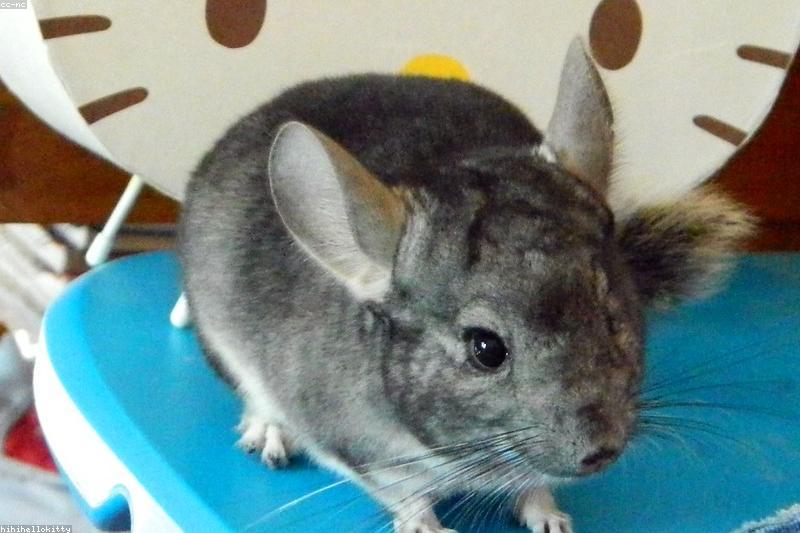
What Fur Chewing Looks Like
Because chinchilla fur is so dense, small amounts are easy to miss. Look for:
- Patches where the coat is cropped short rather than shed, often on the flanks, back or legs
- A blunt, chewed edge to the fur instead of naturally tapering tips
- Uneven texture across the coat, sometimes described as looking moth-eaten
- Visible undercoat or bare skin in severe cases, most often over the lower half of the body
- Everything else normal, with no redness, scabs, crusts or clean bald circles
That last point is the key clue. Slipped fur from rough handling leaves a tidy bald spot. Ringworm and mites produce scaly, crusted skin. Fur chewing leaves damaged fur over intact skin, which is why a vet will still test for infection and skin parasites before settling on a behavioural cause.
Why Chinchillas Do It
| Trigger | What needs to change |
|---|---|
| Boredom | Add chew toys, a wheel and tunnels, and rotate new items weekly |
| Cage too small or crowded | Increase unbroken floor space and reduce the number of animals |
| Incompatible or aggressive cage mate | Separate, or provide multiple feeding and hiding stations |
| Predators nearby | Move the cage away from cats and dogs, and off the floor |
| Noise and routine disruption | Quiet, predictable handling and a stable daily rhythm |
| Pain or dental trouble | Veterinary examination — overgrown molars hurt |
| Diet deficiency | Plain pellets plus unlimited hay, and very few treats |
Pain is the trigger owners forget. A chinchilla with overgrown cheek teeth may chew fur simply because its mouth is uncomfortable, so a diet fix should follow a dental check rather than replace it.
Rebuilding the Environment Step by Step
- Give the cage more unbroken floor space and fit a solid-surface wheel tall enough to run in without arching the back.
- Provide at least two hides and a nesting box, so the animal can always retreat.
- Keep the dust bath available and clean — a chinchilla that cannot groom properly tends to over-groom.
- Offer daily supervised time outside the cage in a safe, chinchilla-proofed area.
- Refresh enrichment often. A wooden block that has sat in the same corner for a month provides no interest at all.
- Reduce handling if the chinchilla is nervous, especially when visitors are in the house.
- Hold the room cool and quiet, away from the busiest parts of the home.
What to Expect During Recovery
Fur grows back slowly. Chinchillas regrow coat over many weeks, so allow at least a month before judging any change. Once the stress factor is removed the chewing usually settles within a few weeks, though an animal that has barbered for years may revert under pressure. Expect some relapse when the household changes: a house move, a new pet or a new baby is exactly the kind of stress that can restart the habit.
When to Call a Vet
Book an appointment if the skin underneath is red, broken, scaly, weeping or bald in circles, if the chinchilla is losing weight or eating less, if the coat is not merely short but thinning overall, or if a cage mate is losing fur too. Do not apply any topical treatment on your own, and do not assume the answer is a supplement.
Fur chewing is a message rather than a disease. Fix the boredom, the space, the company and the room, and the coat usually follows.