Standing in the cat litter aisle is genuinely confusing: clumping, crystals, pellets, pine, scented and unscented, all claiming to be best. There is no single winner. The right answer is the litter your cat uses consistently, matched to your household’s priorities on dust, odor, cost, and waste. Knowing the trade-offs in advance makes the choice much shorter.
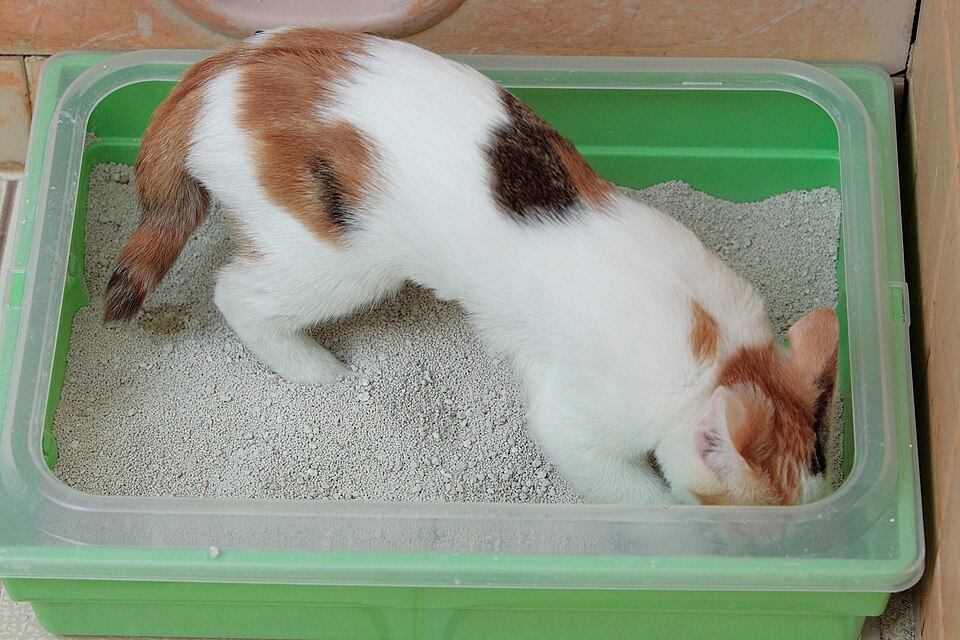
The Main Types at a Glance
| Type | Clumps? | Dust | Strengths | Watch-outs |
|---|---|---|---|---|
| Clumping clay (bentonite) | Yes | Medium | Easy scooping, strong odor control | Heavy, dusty, not biodegradable |
| Non-clumping clay | No | Medium | Cheap, everywhere | Full changes needed often |
| Silica crystal | No | Very low | Long-lasting, low tracking | Pricey; texture puts some cats off |
| Recycled paper pellets | No | Almost none | Soft on paws, post-surgery, kittens | Weak odor control, frequent changes |
| Plant-based (corn, wheat, pine, walnut) | Varies | Low | Biodegradable, lighter, often flushable | Clumping and odor vary by brand |
Clumping Clay: The Reliable Default
Bentonite clay forms solid clumps on contact with moisture, so daily scooping removes only the waste and the box stays fresh between full changes. Most adult cats accept it without fuss, it controls odor well, and it is the cheapest widely stocked option. The costs are practical: it is heavy to carry, raises some dust when poured, comes from strip mining, and never biodegrades.
Crystal and Paper: The Low-Dust Options
Silica gel crystals absorb moisture and trap odor without clumping; a box can go weeks between full changes, and tracking is minimal. They suit busy households and automatic boxes, but they cost more up front, and the hard texture is a deal-breaker for some cats, so keep the receipt and the old bag. Recycled paper pellets are the gentlest choice for kittens, senior cats, and post-surgery paws, and they produce almost no dust at all. Their weakness is odor, because urine pools rather than clumping, which means more frequent complete changes.
Plant-Based Litters and Matching the Cat
Corn, wheat, pine, and walnut litters are lighter to carry, biodegradable, and often compostable where local rules allow. Some clump reasonably well; others behave more like pellets. Performance varies far more between brands than clay does, so expect a little trial and error, and store open bags dry, since corn and wheat can attract insects if kept sealed while damp.
Whichever direction you lean, three findings from feline behavior research are worth applying:
- Most cats prefer fine-grained, unscented litter that feels sandy underfoot; strong fragrances are for owners, not cats.
- Switch gradually. Mix a little new litter into the old over seven to ten days and watch for any avoidance.
- Kittens and seniors have different needs: soft, non-clumping textures for kittens who may nibble litter, softer granules for arthritic paws.
The takeaway. Start with unscented clumping clay unless you have a specific reason not to, change one variable at a time, and give each trial about a week before judging it. If your cat suddenly stops using any litter, the type is rarely the cause; a vet check for urinary problems comes first. This guide reflects published comparisons, not sponsored picks.