One second your dog is fine. The next it stands still, stretches its neck out, and starts a loud snorting, honking noise that sounds like it cannot breathe. Most owners go straight to panic mode, and you would be forgiven for thinking so — the episode is that convincing. What your dog is almost certainly doing is reverse sneezing, a harmless reflex with a scary soundtrack that affects most dogs at least occasionally.
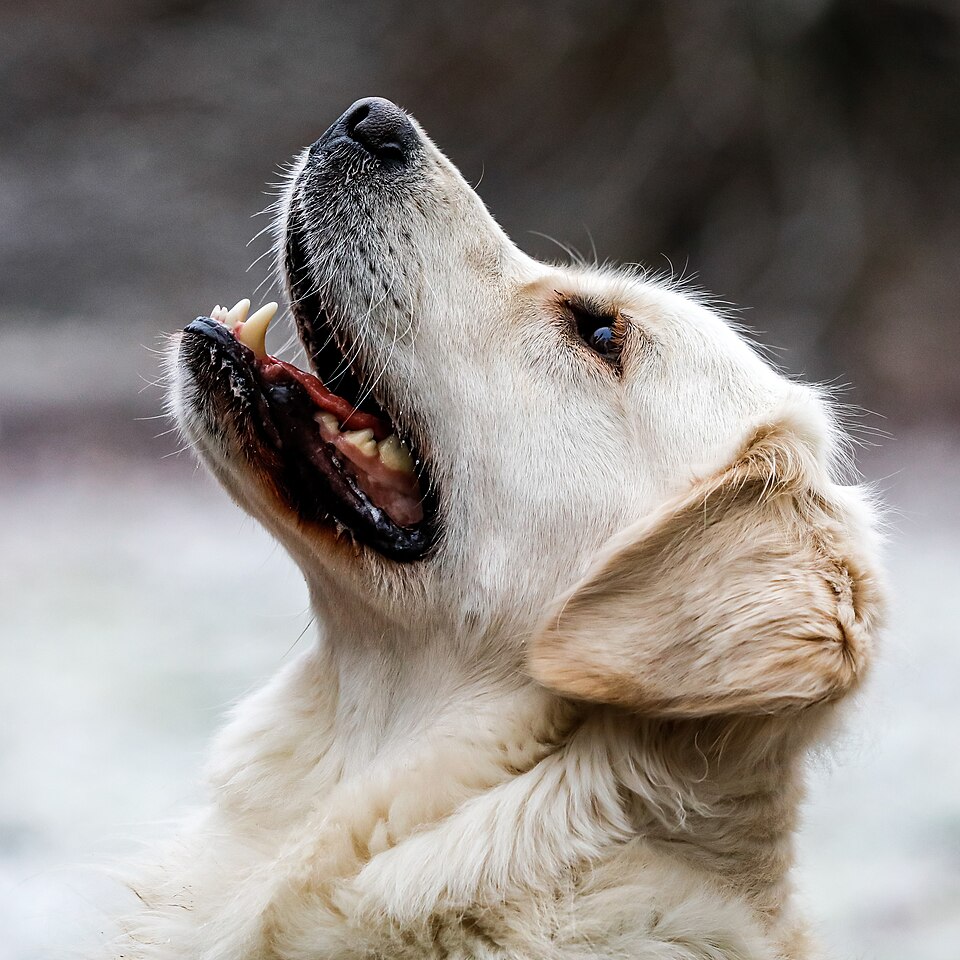
A reverse sneeze is a sudden, forceful inhalation through the nose, the opposite direction of a normal sneeze. The soft palate gets briefly irritated or displaced, the throat partially closes, and the air rushing in over narrowed passages produces that unmistakable gasping sound. An episode usually lasts a few seconds to a minute, then stops as abruptly as it started, leaving the dog completely unbothered.
What Actually Triggers the Reflex
Anything that briefly irritates the back of the nose or throat can set one off, and the list is longer than most owners expect. Recognizing your dog’s own pattern is genuinely useful, because the most common triggers are things you can reduce.
- Excitement, sudden bursts of energy, or leash pulling
- Eating or drinking too fast
- Dust, pollen, household sprays and strong fragrances
- Post-nasal drip from mild allergies or a mild upper respiratory infection
- Sudden temperature changes, like moving from air conditioning to warm humid air
- Collar pressure on the throat during walks
Flat-faced breeds such as Pugs, Bulldogs and Shih Tzus reverse sneeze more often because their elongated soft palates flop into the airway more easily, and small breeds do it more than large ones simply because their passages are narrower to begin with.
How to Shorten an Episode
Stay calm first. Your dog reads your panic, and pawing at it or shaking it tends to extend the fit. Simple moves that usually end an episode within seconds:
- Gently massage the throat in small circles
- Lightly blow on the nose or cover the nostrils for a second so the dog swallows
- Offer water or a treat to interrupt the breathing pattern
- Take the dog outside into fresh air
If a collar seems to be the trigger, switch to a harness. That single change solves the problem for a surprising number of dogs.
When It Is Not a Reverse Sneeze
Reverse sneezing itself needs no treatment at all. What deserves a vet visit is a sound that looks or feels different. The table below separates the usual look-alikes.
| Sign | More likely |
|---|---|
| Loud snorting with neck stretched, then totally fine | Reverse sneezing |
| Honking cough that worsens with activity | Kennel cough or collapsing trachea |
| Labored breathing with blue or gray gums | Emergency — go now |
| Nasal discharge, nosebleeds, one-sided fits | Foreign body, infection or nasal disease |
| Snoring and rattling at rest, getting worse | Brachycephalic airway syndrome |
Video one of the episodes on your phone before the appointment. Vets diagnose far more confidently from a recording than from a description, and a calm dog in the clinic often will not perform on cue. An old dog crate with a familiar blanket is also a good place to film from, since relaxed dogs show their natural breathing pattern.
This article is general information, not veterinary advice. If episodes are new, increasingly frequent, or paired with exercise intolerance or gum color changes, book an exam rather than assuming it is benign.