You drop in food the way you always do, and nothing happens. A fish that suddenly stops eating is unsettling precisely because feeding is the one daily interaction you have with your tank — and it is also one of the most useful early-warning signs an aquarium gives you. The good news: appetite loss is a symptom with a short list of causes, and most of them are fixable when you work through them in the right order.
Rule Out Water Before You Blame the Fish
Poor water quality is behind more skipped meals than disease is. Ammonia and nitrite above zero, or nitrate climbing past roughly 40 ppm, suppress appetite long before you see visible damage. Run a full reading from your aquarium test kit, not a memory of when you last changed water, and check the temperature too — a failed heater or a heat wave can push tropical fish out of their comfort zone, and digestion slows or stalls accordingly. Freshly dechlorinated water, a 25 percent change, and a retest twelve hours later resolve a surprising share of cases on their own.
The Common Causes, Ranked by Frequency
| Cause | Clues | Fix |
|---|---|---|
| Ammonia or nitrite spike | Test above zero; clamped fins | Water change, retest, find the source |
| New-tank or new-fish stress | Added fish in the last 2 weeks; hiding | Dim lights, quiet room, patience |
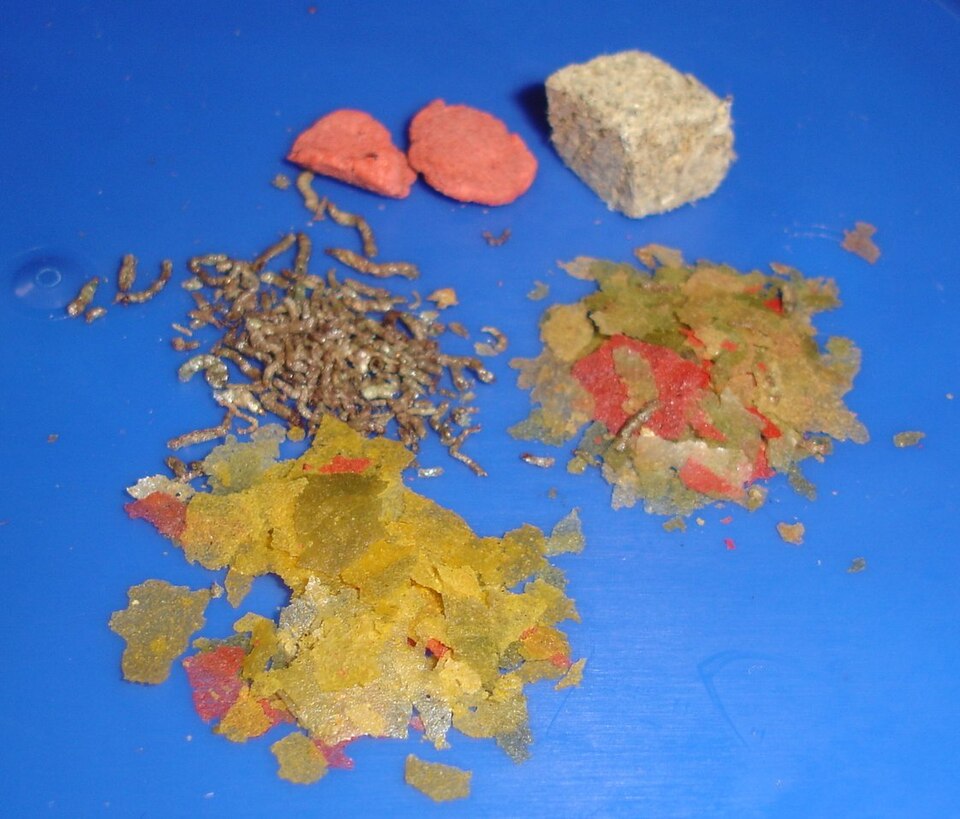
| Wrong food or texture | Food floats past bottom dwellers; new brand | Match food to feeding layer |
| Temperature out of range | Sluggish behavior; recent heater failure | Stabilize temperature gradually |
| Internal illness or parasites | Thin body, stringy feces, bloating | Observe closely; targeted treatment |
A 48-Hour Sequence That Works
- Test the water fully; do a 25 percent change if ammonia, nitrite or nitrate is elevated
- Check the thermometer against the species’ preferred range
- Skip feeding for one day — healthy adult fish tolerate this easily
- Offer a small amount of a different food at a different time of day
- Watch after lights-out for shy and nocturnal eaters such as kuhli loaches
- Reassess: eating again means the trigger passed; still fasting means a closer look
When Not Eating Is Normal
Some fasting is expected and no cause for alarm. Many fish fast naturally before spawning, bettas and goldfish can skip several days without harm, newly introduced fish often refuse food for their first two or three days while settling, and nocturnal species may simply be eating long after your lights go out. Overfeeding has a sneaky role here as well: a well-fed fish can comfortably ignore a meal or two, and owners who feed three times a day routinely misread this as illness.
Give the sequence a full pass before reaching for medications. Treating a healthy tank for a disease it does not have creates new problems — stressed livestock and disrupted water chemistry — and turns a feeding puzzle into a real one. Patience costs nothing here, while a wrong treatment can cost you the cycle that keeps the whole tank stable.
This article is general information, not veterinary advice. Rapid weight loss, a distended belly with pine-cone scales, or several days of total refusal alongside abnormal swimming warrants a closer diagnosis.