Hens do not need a male to lay eggs, which is exactly why egg binding catches owners by surprise. A single female budgie, cockatiel or lovebird can produce eggs from chronic hormonal stimulation alone, and occasionally one of those eggs gets stuck. Egg binding — the failure to pass a fully formed egg — is one of the fastest-moving emergencies in bird keeping, and the difference between a full recovery and a tragedy is usually measured in hours.
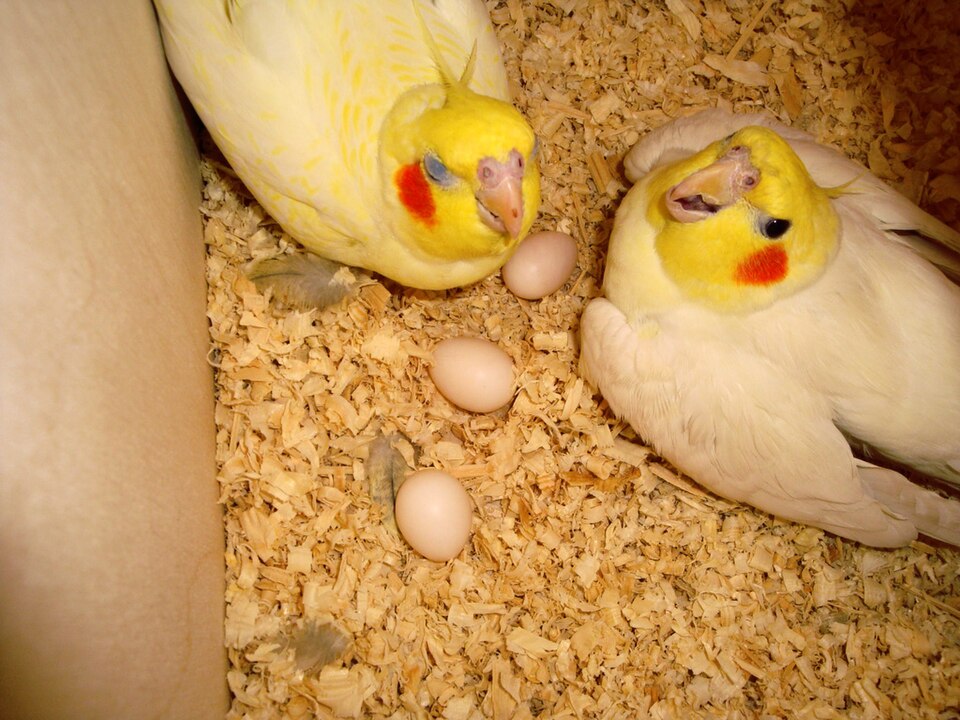
Why It Happens and Who Is at Risk
The risk concentrates in small hens kept on long daylight hours, fed seed-only diets low in calcium, or given nesting sites and mirrors that signal breeding season year-round. First-time layers, older hens, birds that lay repeated clutches, and hens that are obese or under-exercised top the risk list. A shell needs calcium for the oviduct to contract properly, so a calcium-deficient hen is the classic patient. Breeding condition builds quietly: owners often notice nothing until the system jams, which is why every bird cage setup should be reviewed once a hen starts laying.
Warning Signs That Come Before the Crisis
| Stage | What you see |
|---|---|
| Early | Fluffed feathers, quiet, spending time at the cage floor |
| Straining | Tail bobbing, wide stance, repeated pushing motions |
| Progressing | Leg weakness or one leg appearing paralyzed; labored breathing |
| Late | Sitting on the floor, unable to perch, eyes closed |
A bound egg presses on the nerves that control the legs, so sudden one-sided leg weakness in a hen is egg binding until proven otherwise. A firm, round swelling just under the tail supports the suspicion.
What to Do in the First Hour
- Move the bird to a warm, softly lit hospital cage around 29 to 32 degrees C
- Raise humidity: a steamy bathroom or a warm damp towel over part of the cage
- Do not press the abdomen, do not lubricate, and do not try to pull the egg
- Handle as little as possible; stress alone can kill a compromised hen
- Call an avian vet immediately and transport with gentle warmth on the way
A vet administers fluids, calcium and supportive medication, and if the egg still will not pass, removes it safely. Home remedies that crack the egg inside the hen or push on the belly regularly cause fatal internal damage, which is why step three is a hard rule.
Preventing the Next Episode
Prevention is a lighting and diet conversation. Cap daylight at 10 to 12 hours with a full dark cover period, shift the diet toward pellets with proper calcium and vitamin D3, remove mirrors and dark nesting corners, and discourage chronic laying if your hen produces clutch after clutch. Any hen that has been egg bound once is prone to repeat it, so your avian vet may discuss hormonal or, in stubborn cases, surgical options. The upshot is positive: with faster recognition and early warmth, most hens bound today are back on the perch within days, and the plan that prevents a repeat is almost entirely within your control.
This article is general information, not veterinary advice. Egg binding is an emergency — warmth and humidity are first aid on the way to the vet, not a treatment.