Hamsters get the pet-store shelf space, but fancy mice may be the most underrated small pet in the shop. They are clever, boldly curious, cheap to keep, awake and playful in the evening, and full of personality — each one noticeably different from the next. For a first-time rodent keeper with limited space, a small group of female mice is hard to beat.
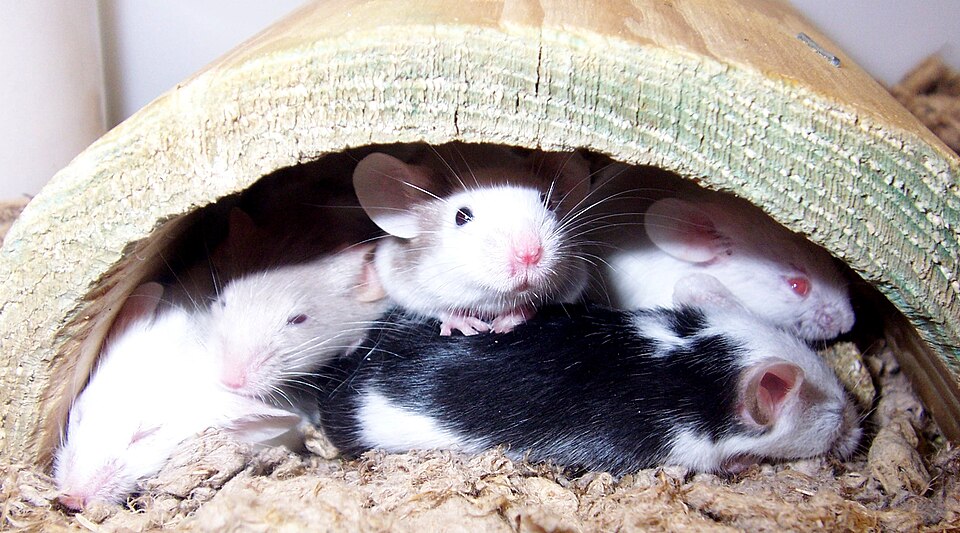
Underrated, Clever, and Low-Cost
A fancy mouse lives roughly one and a half to three years, learns its name, recognizes its keeper, and can be taught simple target tricks with millet rewards. Unlike hamsters, mice are genuinely social and should never live alone, which makes their daily behavior far more interesting to watch. Their housing footprint is modest, their dietary needs are simpler than almost any other pet mammal’s, and their evening activity pattern fits neatly around a workday — they are just waking up when you get home.
Setting Up the Cage
| Item | Recommendation |
|---|---|
| Cage size | At least 80 x 50 cm floor space for a trio; bigger is always better |
| Bedding | Paper-based or aspen, 15–20 cm deep for burrowing |
| Wheel | Solid surface, 20 cm diameter or more to protect the spine |
| Enrichment | Ropes, platforms, cardboard tubes, and a digging box; rotate weekly |
| Cleaning | Spot-clean soiled areas; keep a little used bedding to preserve scent marks |
Feeding a Fancy Mouse
- Base diet: a quality lab-block or mouse pellet ensures balanced nutrition without selective picking.
- Small seeds and grains: offered in moderation as foraging treats, not as the main course.
- Fresh foods: tiny pieces of vegetables, fruit, and occasional cooked egg or mealworm for protein.
- Fresh water: a bottle checked daily; mice drink more than their size suggests.
- Avoid: citrus, onion, chocolate, and sugary mixes marketed as “hamster food.”
Companions and Handling
Keep females in single-sex groups of three or more; males must live alone because they fight. Introduce new mice on neutral territory with a divide-then-merge approach, and expect some squabbling while hierarchy settles — brief chasing is normal, but drawn-out bullying means the introduction should slow down. For handling, let mice climb onto your hand rather than grabbing from above — a hand descending from the sky reads as a predator. Short, frequent sessions in a secure playpen build confidence faster than long holds, and taming goes quickest with mice under twelve weeks old — older mice tame fine too, just on a slower clock.
Health Signs Worth Watching
Mice hide illness well, so daily observation matters more than any equipment. Watch for sneezing or clicking breathing, which can signal respiratory infection — the most common mouse ailment and always worth a vet visit. Check teeth and nails monthly, weigh each mouse weekly with a kitchen scale, and note any swelling, wobbliness, or sudden aggression between cage mates, since a previously tolerant mouse that starts bullying often feels unwell rather than mean. With clean housing, a deep burrowing bed, and companions to groom and play with, most fancy mice stay robust until old age and make the small hours of your evening genuinely entertaining.