Cat constipation sounds minor until it is not. An occasional hard stool is common, but repeated constipation can snowball into obstipation and finally megacolon — a colon so stretched and paralyzed it can no longer push anything out. Knowing where constipation ends and an emergency begins is genuinely useful, because early treatment is simple and late treatment can mean major surgery. Most of what keeps a cat regular costs nothing: water, movement, and a box worth using.
Why Cats Get Backed Up
The usual suspects, per Cornell’s Feline Health Center, are dehydration, hair and other indigestible material, obesity and inactivity, painful joints that make squatting uncomfortable, pelvic fractures that have narrowed the canal, and some medications. Long-haired cats that swallow more fur, senior cats, and indoor-only cats are over-represented. In many cases no single cause is ever found, and the condition is labeled idiopathic — which makes the lifestyle factors below all the more important to control.
The Signs, and What Straining Really Means
- Fewer or absent trips to produce stool; hard, dry pellets in or outside the box.
- Repeated straining with little result, sometimes with crying or reluctance to squat.
- Vomiting, poor appetite, and lethargy as waste accumulates.
- Small amounts of liquid stool — misleading, since it can leak around a blockage.
One caution: an owner who sees straining in the box often assumes constipation when the cat is actually blocked by urinary obstruction — a male-cat emergency. If your cat strains and produces no urine at all, that is an emergency clinic trip, not a watch-and-wait situation.
How Vets Treat It
| Stage | Typical treatment |
|---|---|
| Mild constipation | Rehydration, fiber (psyllium, pumpkin), stool softeners such as PEG 3350 or lactulose, motility drugs like cisapride |
| Impacted | Enemas given by the vet, fluids, sometimes manual removal under sedation |
| Megacolon, unresponsive | Subtotal colectomy — surgical removal of the non-functioning colon — with a generally good outcome |
Never give a human enema at home. Several over-the-counter human products, especially phosphate enemas, are toxic to cats and have killed them in small doses. Long-term management usually combines wet food, laxatives or fiber, weight loss, and more movement. Cats on cisapride or lifelong stool softeners need periodic rechecks, because doses are adjusted to response and dehydration undermines every medicine on the list.
Prevention You Can Actually Do
- Push moisture: wet food daily, multiple water stations, and a fountain for cats who prefer moving water.
- Brush long-haired cats regularly and use hairball control during heavy shedding seasons.
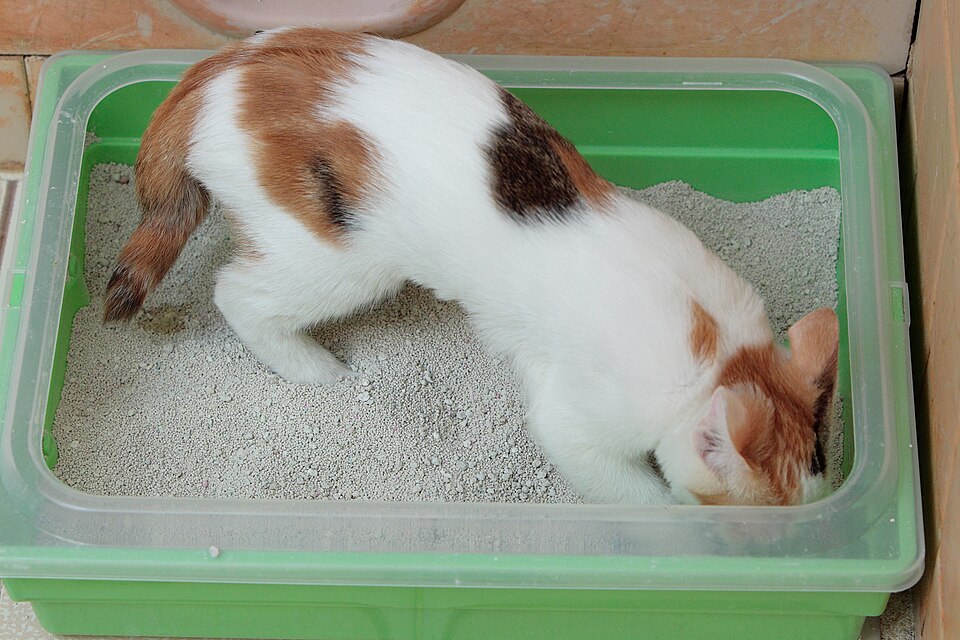
- Keep the litter box inviting: scooped daily, quiet location, one more box than cats.
- Manage weight and build daily play into the routine; sedentary guts are slow guts.
- Add fiber deliberately: a teaspoon of plain canned pumpkin or a vet-approved psyllium supplement mixed into food helps many chronic cases.
The takeaway. Occasional firm stool deserves better hydration and a fiber nudge; three or more days without stool, vomiting, or a straining cat with a hard belly needs the vet now, and a straining cat producing no urine needs the emergency clinic tonight. This article is general information, not veterinary advice.