Why Kibble Can’t Skip Preservation
Fat is what makes kibble palatable — and what makes it spoil. Left unprotected, the fats in pet food go rancid within weeks, destroying fat-soluble vitamins and producing the stale, paint-like odor of oxidized fat. Every shelf-stable pet food therefore relies on preservatives; the only real question is which kind, and at what levels.
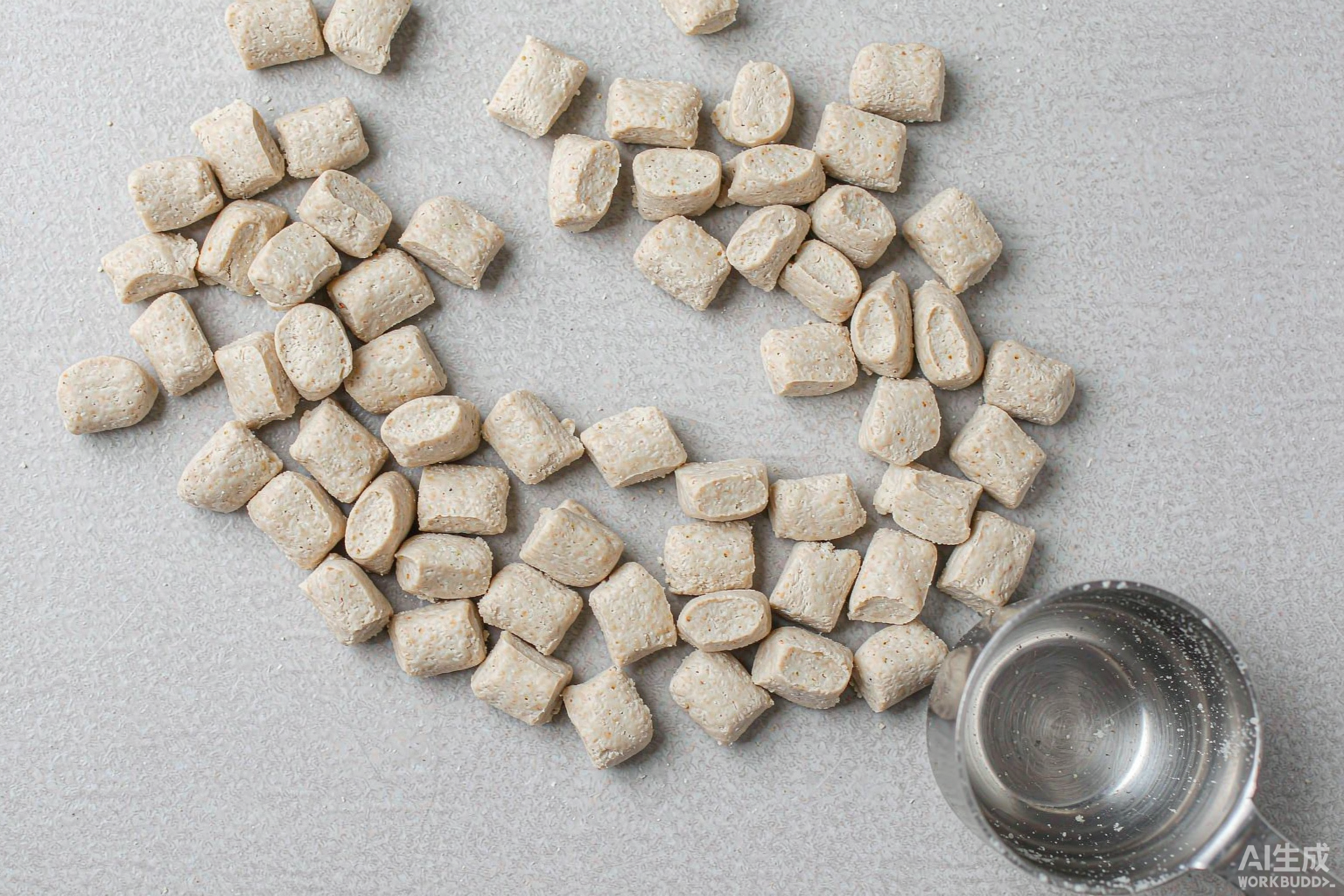
Preservatives in pet food do two jobs. Antioxidants — natural or synthetic — interrupt the chain reaction that turns fats rancid when oxygen, heat, and light reach them. Antimicrobials such as potassium sorbate help higher-moisture and semi-moist foods resist mold and yeast. Without them, a bag could not survive months of shipping, warehousing, and time on your shelf.
The Natural Toolkit
“Naturally preserved” usually means mixed tocopherols (forms of vitamin E), ascorbic acid (vitamin C), rosemary extract, or citric acid. These work, and no adverse effects are documented at food-use levels. Their weakness is heat and time: natural antioxidants are less stable through extrusion cooking and fade sooner in the bag, which is why naturally preserved foods often carry shorter best-by dates and cost more. Rosemary extract also has a strong aroma, so it must be used sparingly.
BHA, BHT, and Ethoxyquin: Reading the Evidence Honestly
The synthetic antioxidants have reputations worse than the data. BHA and BHT have been used since the 1950s and are capped in the US at about 0.02 percent of the fat content (roughly 200 ppm); ethoxyquin is capped at 150 ppm, and most manufacturers use well under half of that. BHA is listed by the US National Toxicology Program as “reasonably anticipated to be a human carcinogen” — based on rodent studies at doses far above what any pet actually eats — and ethoxyquin showed bladder changes in high-dose rat studies. Regulators including the FDA and EFSA conclude these additives are safe at permitted levels, and long-term feeding studies have not shown adverse effects in dogs at approved concentrations. The EU nevertheless no longer permits ethoxyquin, and many brands removed it voluntarily after owner pressure in the 1990s — a legitimate preference, but not an emergency.
Reading Labels Without Falling for Marketing
- Never buy “preservative-free” kibble — unprotected fat means a rancid food, not a safer one.
- “Natural” (per AAFCO) means no chemically synthesized ingredients except added vitamins, minerals, and trace nutrients — a processing claim, not a safety grade.
- Prefer named preservatives: “preserved with mixed tocopherols” beats a vague “preservatives.”
- Mind the date: naturally preserved bags need faster turnover, so buy a size your pet finishes within weeks of opening.
- One claim proves nothing alone — a naturally preserved food can still be nutritionally unbalanced.
Finally, keep the whole label in view. Preservatives appear not only as standalone ingredients but also indirectly, for example when a fish meal or poultry fat component arrives pre-preserved — sometimes with ethoxyquin applied upstream by the ingredient supplier, even if the finished bag lists only natural antioxidants. If this matters to you, call the manufacturer and ask what preserves the fish meal specifically; transparent companies answer this question readily.
Preservative choice is a reasonable preference — many owners pick natural antioxidants for freshness or peace of mind. But the mainstream veterinary consensus is calm: at regulated levels, both systems keep food safe. Spend your scrutiny on the nutrient profile and the manufacturer’s quality control, and treat “no artificial preservatives” as one fact about the bag, not the whole verdict.