Leopard geckos are crepuscular — most active at dawn and dusk — which makes them one of the few reptiles whose schedule lines up with an owner’s evening. That twilight rhythm should shape everything about their care: when you feed, which heat source you use, and what happens in the enclosure after lights out.
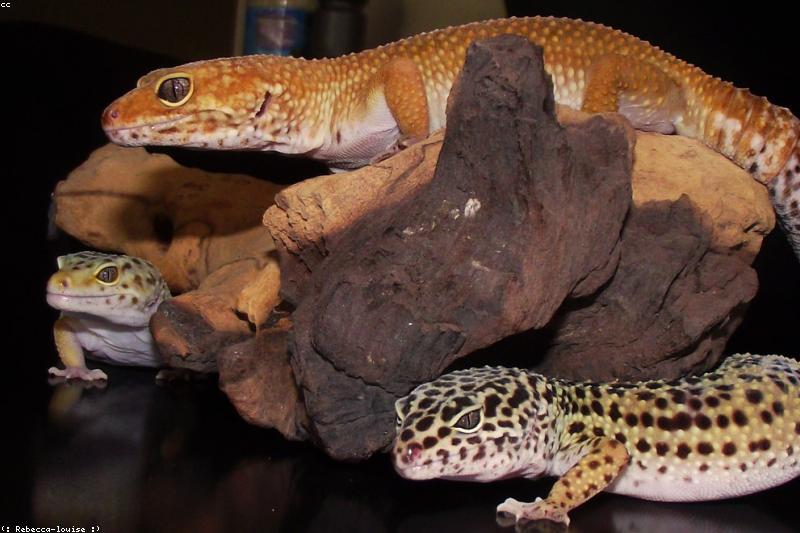
A Gecko That Wakes When You Wind Down
Wild leopard geckos hunt at twilight in the rocky grasslands of Pakistan, India, and Afghanistan, absorbing warmth from sun-heated rocks rather than basking in open sun. Captive geckos keep the habit. Feed in the early evening, roughly 30–60 minutes after the main lights dim: a gecko that is naturally awake will hunt eagerly, and a full night of warm temperatures helps it digest. If you can only do one care session a day, make it the evening one.
Night Temperatures Done Right
| Zone | Daytime target | Nighttime target |
|---|---|---|
| Warm side surface (over heat mat) | 31–33°C (88–92°F) | Thermostat maintained |
| Cool side | 24–27°C (75–80°F) | Can drift lower |
| Overall night minimum | — | 18–21°C (65–70°F), never below 16°C (60°F) |
The heat mat should cover about a third of the floor area and must always run on a thermostat with the probe fixed where the gecko actually touches the surface. If your home runs cold at night, add a ceramic heat emitter or deep heat projector — both provide heat with zero visible light. And drop the colored bulbs: despite their popularity, red and blue “night lights” are visible to geckos and disrupt their photoperiod, sleep, and appetite. Night should be genuinely dark, with a humid hide on the cool side kept damp with sphagnum moss for shedding.
Darkness Is Not Optional
- Turn all white and colored lights fully off at night; a low-output UVB tube on a 10–12 hour daytime cycle is fine and beneficial.
- Check that the thermostat readout still holds the night minimum in winter — a probe that slips off the mat can let temperatures crash.
- Give the gecko secure hides on both the warm and cool sides; even at night, confidence reduces stress.
The Ten-Minute Evening Routine
- Feed gut-loaded insects sized no wider than the gap between the gecko’s eyes (adults eat every two to three days).
- Dust feeders with calcium — with D3 once a week — and keep a small dish of plain calcium available.
- Refresh the shallow water dish and spot-clean droppings.
- Mist the humid hide so it stays damp but not soaked.
- Run the 60-second health scan: clear eyes, plump tail, no stuck shed on toes or tail tip, normal dropping with a white urate cap.
Keep a simple log of feedings and weights. A gecko that refuses three meals in a row or loses weight quickly is a signal to call a reptile vet, and the log is the first thing the vet will ask about.
Get the night side right — warm enough, dark enough, and fed on their schedule — and a leopard gecko repays you with predictable twilight activity that fits neatly around a working owner’s day.