Few cat topics generate more anxiety than toxoplasmosis. The parasite is real, a new infection during pregnancy can be serious, and the litter box is a genuine route of exposure. But the number that matters most is this: an infected cat sheds the parasite in its faeces for roughly one to three weeks, once in its lifetime — not continuously, and not for years.
The Lifecycle in Plain Terms
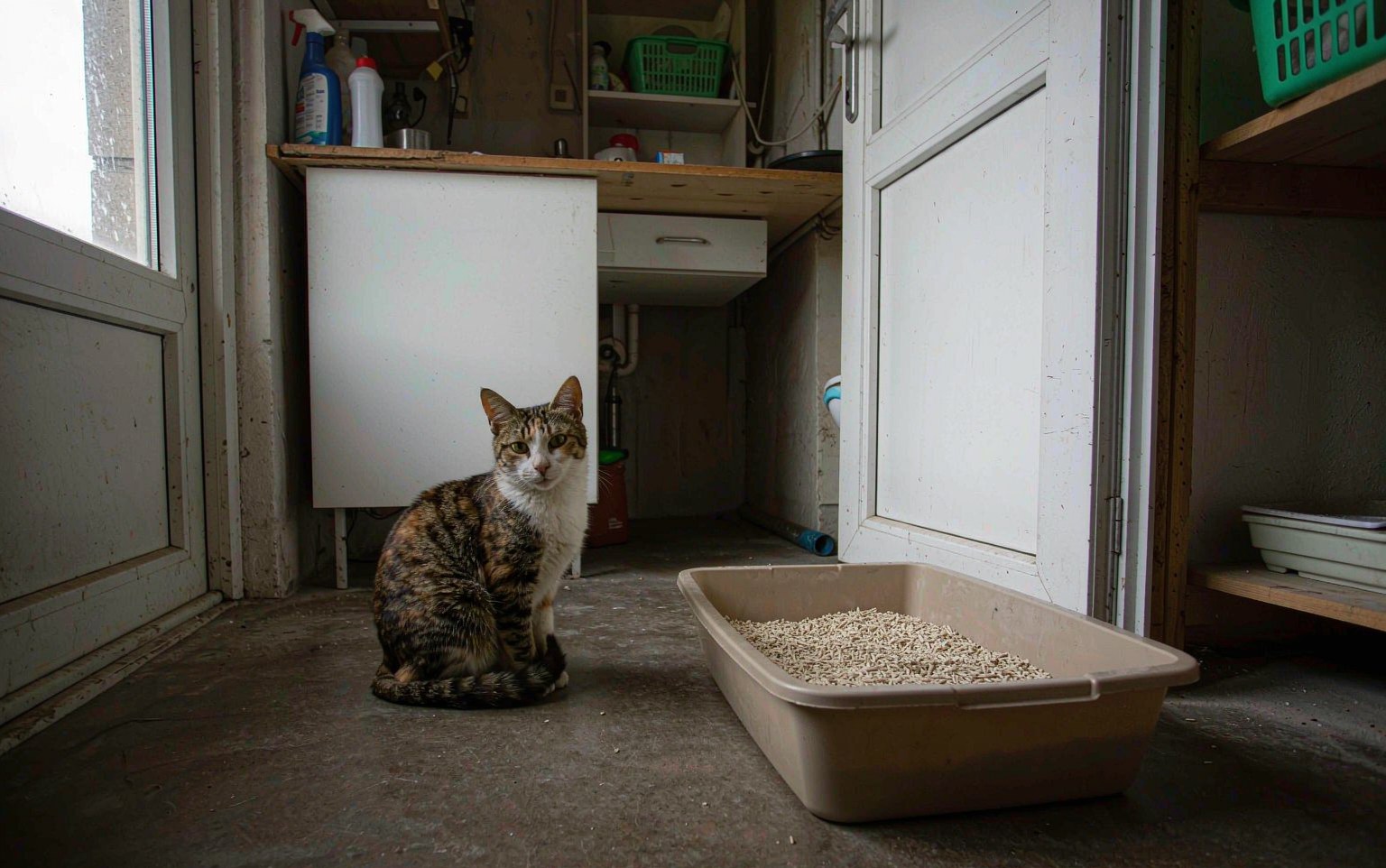
Cats are the only definitive host, meaning the parasite can complete its reproductive cycle only in a feline gut. An infected cat passes oocysts in its stool, and those oocysts are not infectious the moment they land. They need at least twenty-four hours, and usually one to five days, in the environment to mature into a form that can infect people or other animals. Once shedding ends, the cat develops immunity and normally never sheds again. The mature oocysts, however, are tough: they can survive in soil or water for months to years, which is why gardening and sandboxes get their own line in the guidance below.
Why the Litter Box Is a Smaller Risk Than It Sounds
Two facts shrink the risk considerably. First, at any given moment most cats are not shedding, because shedding is a single, short, one-off event. Second, blood tests cannot tell you whether a cat is shedding right now — a positive result usually means the shedding episode is already over and the cat is now immune. An indoor cat fed commercial or cooked food has very little opportunity to become infected in the first place, since infection comes from eating infected prey or raw meat. This is why guidance from public health agencies is explicit that pregnant women do not need to give up their cats. For humans, the far larger source of infection is undercooked meat, not litter trays.
Practical Precautions
- Scoop the litter box daily, so oocysts are removed before they can mature.
- If you are pregnant or immunocompromised, ask someone else to do it. If you must, wear disposable gloves and wash your hands thoroughly afterwards.
- Keep cats indoors and never feed raw or undercooked meat.
- Wear gloves for gardening and wash your hands; cover children’s sandboxes when they are not in use.
- Cook meat to an internal temperature of at least 71 °C (160 °F), and wash boards, knives and produce.
- Avoid handling stray cats or kittens while pregnant, and do not take in a new cat during that time.
What It Looks Like in the Cat
Most infected cats show no signs at all and never will. The cats that do get ill are usually kittens or immunocompromised adults, and signs can include fever, lethargy, breathing difficulty, eye inflammation and neurological problems. Diagnosis is not straightforward, because the shedding window is short and antibody tests are interpreted with care rather than used as a screening tool. If your cat is unwell with any of these signs, that is a veterinary problem first and a public health question second — get the cat examined. Prevention on the feline side is refreshingly simple: keep the cat indoors, and skip raw meat.
You do not have to choose between your cat and your family’s health. The one-off shedding window, the slow maturation of oocysts and daily scooping together make a well-kept indoor cat a minor player in human toxoplasmosis. Handle litter sensibly, cook your meat properly, and the risk falls to something you can live with comfortably.