A clean litter box in the wrong place is still a box your cat may refuse. Cats are vulnerable while they toilet, so they weigh noise, traffic, escape routes and the distance from their food every single time they use it. Get the location right and most litter box problems never start.
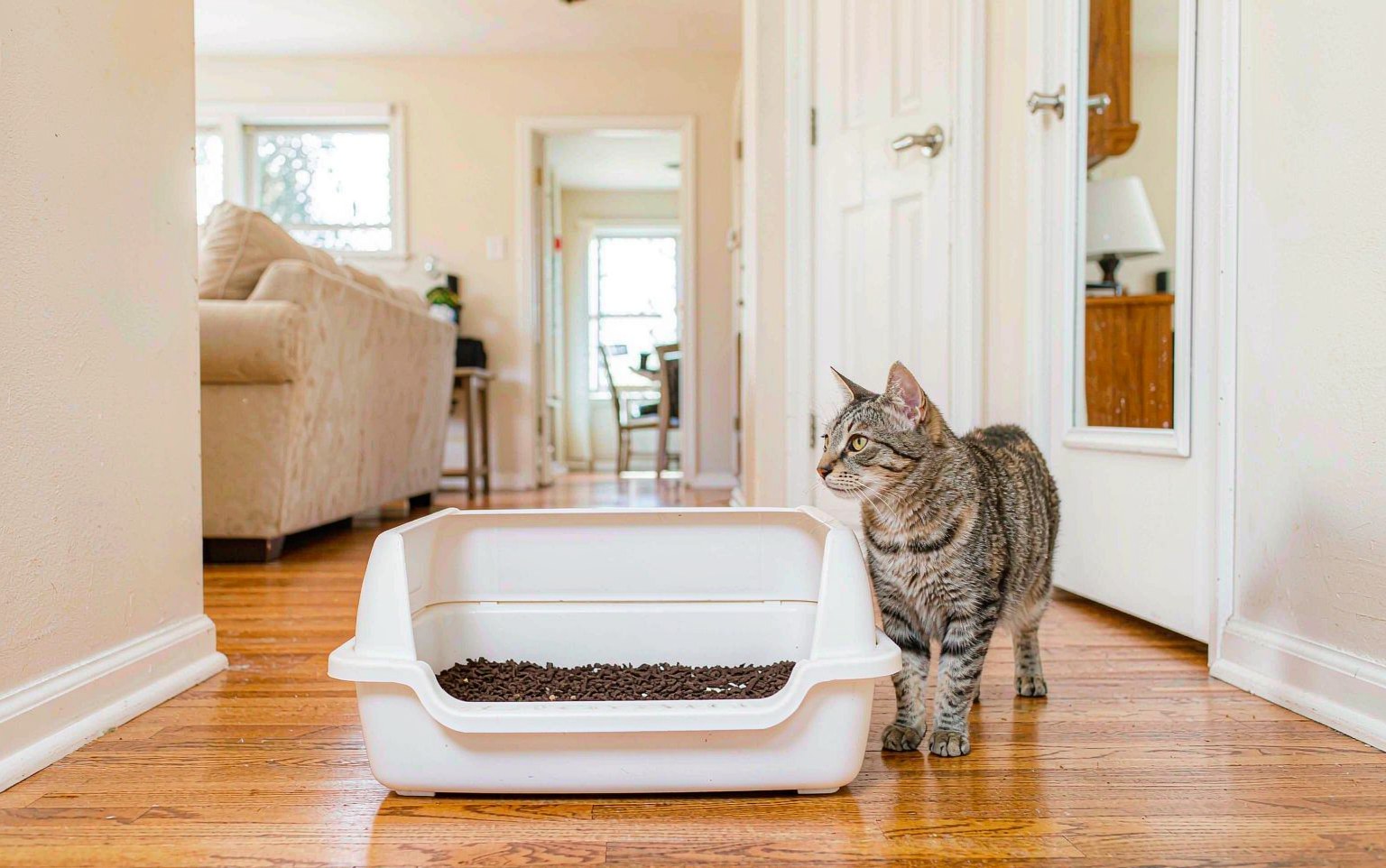
Why the Spot Matters as Much as the Box
Cats are both hunter and hunted in their own minds. Toileting means standing still with limited awareness, which is the moment a cat is least able to watch its own back. A box tucked into a dead-end corner, beside a door that slams, or behind a noisy appliance reads as a risk rather than a convenience.
Location also drives the most common complaint of all: a box that is technically clean but consistently avoided. Before you change litter or buy a new box, check where the old one sits.
The Placement Rules That Matter Most
- Quiet — away from washing machines, dryers, boilers, speakers and doors that slam.
- Reachable at all times — a door that gets shut unpredictably makes the box unreliable.
- More than one way out — a box with a single approach invites ambush, especially with dogs or other cats around.
- Away from food and water — separate the toilet area from the dining area as much as the layout allows.
- Easy to get to — no stairs, no jumps and no squeezing past clutter, which matters most for older cats.
- Easy for you to clean — a box you dread reaching is a box that gets scooped less often.
Room by Room: What Works and What Fails
| Spot | Verdict | Watch out for |
|---|---|---|
| Quiet bathroom | Good | Door must stay open; shower splash |
| Spare room or study | Good | Guests and shifting furniture |
| Laundry room | Risky | Spin-cycle vibration, closed door |
| End of a hallway | Good | Bottlenecks and dead ends |
| Living room corner | Workable | Speakers, play areas, foot traffic |
| Kitchen or beside the bowls | Poor | Hygiene and the cat’s own objection |
| Closed cupboard | Poor | Trapped odour, one guarded opening |
Multi-Cat and Multi-Level Homes
The standard count is one box per cat plus one extra, and the count only works if the boxes are separated. Three boxes lined up in the same corner are treated as a single station by a cat who guards the approach, so spread them into different rooms or opposite ends of the house. In a home with more than one floor, put a box on each floor your cat actually uses. Expecting an older cat to manage the stairs on every trip is how accidents begin.
Moving the Box Without Causing an Accident
If the current spot fails a rule, move the box gradually rather than in one jump. Set up a second box at the new location, let your cat use both for a week or two, then retire the old one. Keep the litter, the box and the cleaning routine unchanged during the move, so location is the only thing your cat has to accept.
If a cat that has always been reliable suddenly starts going elsewhere, treat it as a signal rather than a discipline problem. Book a veterinary check to rule out discomfort or a urinary issue, and review the placement while you wait.
The short version. Choose a quiet spot your cat can always reach, with more than one way in and out, as far from the food bowls as the room allows — then keep it clean and keep it there.