Babesiosis is caused by protozoal parasites of the Babesia genus, which invade red blood cells and multiply inside them until the cells rupture. The result is haemolytic anaemia: the body loses red blood cells faster than it can replace them, and the debris of that destruction tints the urine dark and the gums yellow. Species differ in size, with the large Babesia canis and the small Babesia gibsoni behaving differently and needing different treatment, and the disease occurs worldwide, though some regions and some tick species carry far more risk than others.
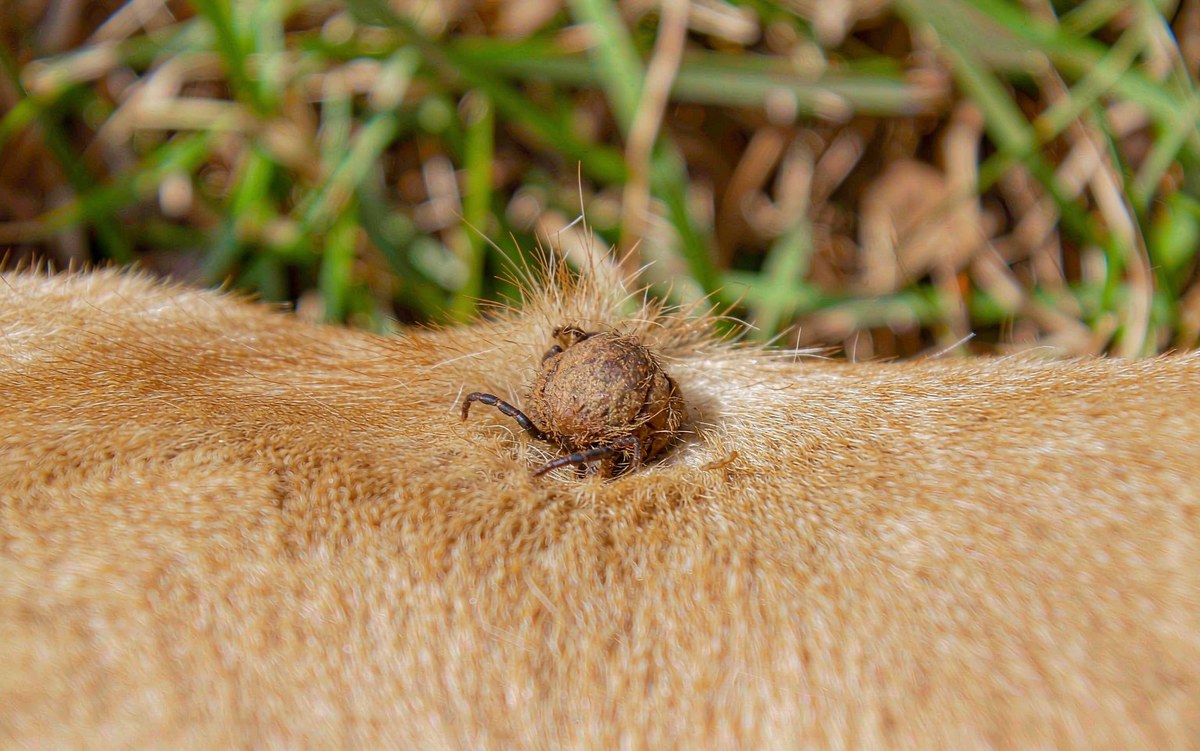
How Dogs Get It
- A bite from an infected tick, and several tick species can transmit the parasite
- Dog-to-dog transmission through a bite from an infected dog, which is especially relevant for the small species
- From mother to puppies before birth
- A contaminated blood transfusion
Regardless of route, kennels and households with poor tick control create the conditions for spread, and dogs living outdoors in wooded or brushy areas face the highest exposure.
The Signs, From Obvious to Easy to Miss
Cases range from subtle to catastrophic. A dog may collapse in shock, or may simply seem tired for weeks. The classic acute picture includes fever, weakness, pale or yellowish gums, dark orange or brown urine, an enlarged spleen, swollen lymph nodes, and laboured breathing. In the rare cerebral form the parasite reaches the brain and can cause seizures, disorientation or altered consciousness. When the infection runs a chronic course, owners often describe a dog with an off-and-on fever, poor appetite, gradual weight loss and low exercise tolerance and assume it is simply ageing.
How Vets Confirm It
| Test | What it shows |
|---|---|
| Complete blood count and chemistry | Anaemia, low platelets, low blood protein, and evidence of organ strain |
| Urinalysis | Breakdown pigment from destroyed red blood cells in the urine |
| Blood smear | Organisms visible inside red cells, though small species are easily missed |
| PCR | The most sensitive test, and it identifies which species is involved |
| Antibody testing | Supportive only: antibodies can take up to ten days to appear and then persist for years |
Because fever plus anaemia can come from several diseases, vets also rule out immune-mediated destruction of red blood cells, other tick-borne infections, and leptospirosis before settling on a diagnosis.
Treatment Direction
Treatment combines an antiprotozoal drug with supportive care. The two main antiprotozoal approaches are atovaquone, often paired with an antibiotic from the macrolide class, and imidocarb dipropionate, which is commonly used against the large species. Antibiotics such as clindamycin may be added. These drugs are prescribed and administered by a veterinarian, and the injections have their own profile of side effects, including pain at the site, tremors, drooling, shivering, fever and facial swelling, so monitoring is part of treatment. Often the supportive side is what saves the dog: intravenous fluids, oxygen, anti-nausea medication, and a blood transfusion when anaemia is severe.
Follow-up matters as much as the first visit. Dogs that survive often remain silently infected, and those carriers can relapse later and act as a source of infection for other dogs. Repeating PCR tests after treatment is how vets confirm the parasite has cleared, and a dog that has had babesiosis should never be used as a blood donor.
There is no vaccine, so prevention is built on tick control used year-round rather than only in summer, daily tick checks with prompt removal, and keeping grass and brush trimmed around the yard. Blood donor screening and separating dogs that fight add another layer. Because the parasite spreads through ticks, protecting your dog also reduces tick exposure for the household.