Wipe a finger along the top of your bird cage and the picture frame two rooms away. If it comes back white, you live with a dusty parrot. Cockatoos, cockatiels and African greys produce powder-down – a fine keratin dust that keeps their feathers waterproof and conditioned. It is completely natural, but indoors it accumulates fast, and both you and your bird breathe it all day. The good news: bird dander is very manageable with a routine.
Why Some Parrots Make So Much Dust
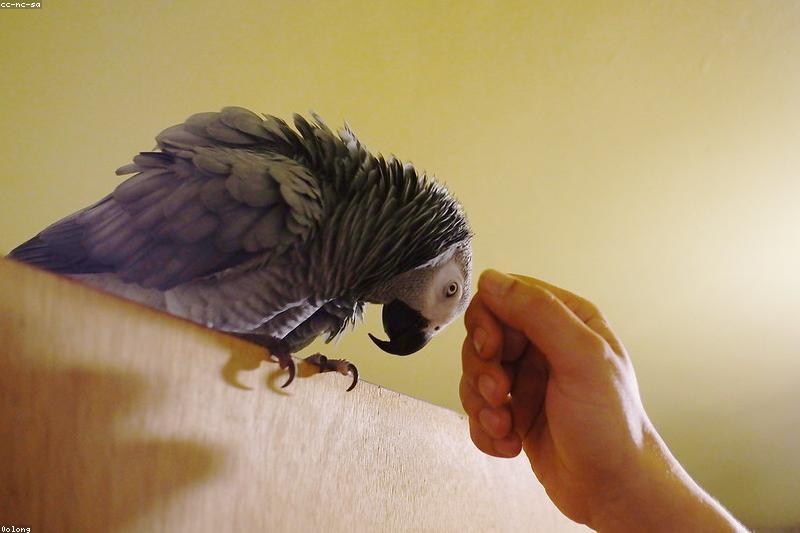
Powder-down feathers grow continuously near the skin and flake apart into ultra-fine particles as the bird preens. All parrots produce some, but cockatoos, cockatiels and African greys are the famous dust factories. Budgies, macaws, Amazons and lorikeets are far less dusty. If anyone in your household has asthma or allergies, that species difference is worth weighing before you choose a bird – it is easier to pick a lower-dander species than to fight the dust forever.
What Dust Does to Birds and Humans
Fresh air matters in both directions. In humans, long-term heavy exposure is linked to hypersensitivity pneumonitis – sometimes called bird fancier’s lung – which is uncommon but real, and easy for doctors to miss because nobody mentions the parrot. Among birds, crowded, poorly ventilated rooms spread dust-borne disease, and macaws housed near dusty cockatiels or cockatoos can develop their own respiratory reactions. Warning signs on either side deserve attention:
- In you: a cough or breathlessness that lingers more than two weeks, or “colds” that vanish when you leave the house. Tell your doctor you keep birds.
- In your bird: tail bobbing, sneezing with discharge, or reduced voice and appetite – call an avian vet promptly.
Build a Dust-Control Routine That Actually Works
You cannot stop a healthy bird from producing powder-down, and you should not try – it is part of normal feather care. What you can do is stay ahead of it:
- Bathe your bird 2-3 times a week – misting, a shallow dish, or a shower perch. Daily misting is fine for very dusty species; it knocks dander down before it goes airborne.
- Clean on a schedule: quick vacuum or damp-sweep around the cage daily, a thorough bird-room vacuum weekly, cage accessories washed weekly.
- Damp-wipe surfaces instead of dry dusting, which just launches particles back into the air.
- Ventilate: open windows when weather allows, and never keep the cage in a closed, stuffy room – but avoid a draft blowing directly onto the cage.
Choosing and Placing an Air Purifier
A True HEPA air purifier is the single best purchase for a dusty-bird household, capturing particles down to 0.3 microns. Two rules matter for bird safety: never use ionizers or ozone-generating units – both can irritate avian respiratory systems – and pick a quiet model, since birds are sensitive to noise. Place it three to six feet from the cage with the intake facing the bird zone and the outlet pointed away, and run it continuously on low. Clean the pre-filter weekly; it will visibly coat with white powder within days, which is proof the system is working. Combined with regular bathing and the perch-side cleaning habits above, most owners see the white film disappear within a week – and everyone in the house, feathered or not, breathes easier.