Offered a bowl of chopped broccoli, carrot and leafy greens, many parrots respond with the same move: fling it off the perch and dig back into the seed. Seed junkies are not stubborn by nature – they simply never learned that vegetables are food. In the wild, flock mates teach youngsters what is safe to eat. In your living room, you have to play that role. Conversion takes weeks, not days, but almost every bird gets there.
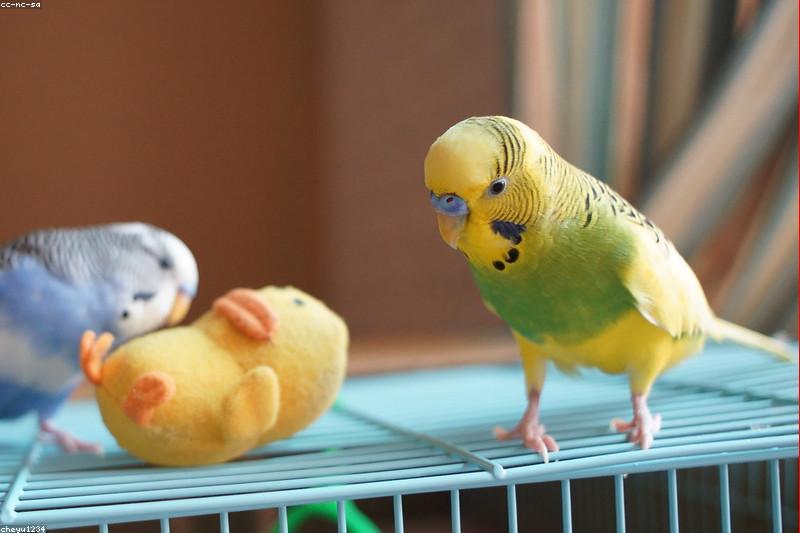
Why Seed Junkies Refuse New Foods
To a parrot raised on seed, an unfamiliar item may not even register as edible – it can look like a toy or a threat. Seeds are also calorie-dense and tasty, the junk food of the bird world. The problem is serious: all-seed diets lack vitamin A, calcium and key amino acids, and over years they drive fatty liver disease, obesity and feather problems. The goal is a diet built on pellets and vegetables, with seed as a treat.
Safety Checks Before You Start
Conversion works by building gentle appetite for new foods, never by starving a bird into compliance. Before day one, get a vet check and a baseline weight – birds should be healthy and at normal body condition before any diet change. During conversion, weigh your bird every few days and watch the droppings. If droppings turn small and dark or the bird looks fluffed and lethargic, back off and offer seed immediately. This matters most for budgies, lovebirds and cockatiels, small birds with fast metabolisms who should never have food withheld outright.
Seven Tricks That Actually Work
- Flock feeding: eat (or pretend to eat) the vegetable with visible enthusiasm, then offer a piece. Parrots trust what the flock eats.
- Change the shape: chop fine, shred, spiralize or offer sticks. A large slab can frighten a small bird; the same carrot shredded may get eaten.
- Use the morning window: offer new foods first thing, when your bird is naturally hungriest after the overnight fast.
- Wear food as decoration: weave damp leafy greens through the cage bars or clip broccoli to a skewer – birds investigate what is on their perch level.
- Try the tabletop: budgies and cockatiels are ground foragers; a flat plate on the table or cage floor often beats a high bowl.
- Recruit a role model: a companion bird that already eats vegetables speeds things up dramatically – competition is a powerful teacher.
- Sweeten the deal: start with corn, carrot and bell pepper rather than bitter greens, then graduate to dark leafy vegetables.
A Simple Two-Week Schedule
| Days | Morning | Rest of day |
|---|---|---|
| 1-4 | Vegetables and pellets offered first; seed bowl appears 1 hour later | Seed available; fresh veggies left in the cage all day |
| 5-10 | Veggies mixed with a small seed portion as a “salad mash” | Seed limited to two short sessions; mash refreshed |
| 11-14 | Mash with less seed each day, pinch by pinch | Seed as a training treat or foraging toy stuffing only |
Expect some waste – conversion food is tuition, not loss. Most birds accept the new diet within two to three weeks, and the payoff is enormous: brighter feathers, stable weight and a companion who will happily share your perch-side snack of carrot sticks for the next few decades.