A newly home budgie will not step onto your finger because you are patient on Tuesday. It will step up weeks from now, because every session between now and then taught it one thing: hands are safe. Taming is really socialization – your budgie is a flock animal learning that you are a trustworthy flock member, and flock trust is earned in a fixed order.
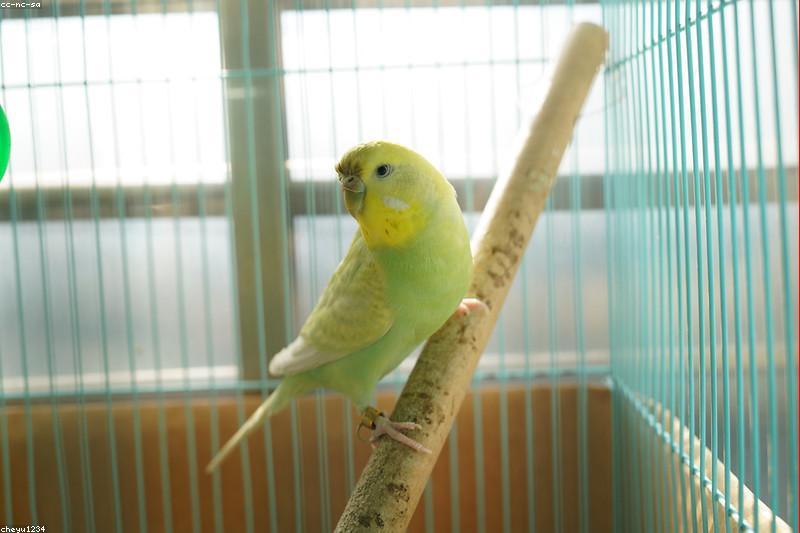
Week One: Settle In, Do Nothing
Give a new budgie one to two weeks before any taming attempt. Place the cage near eye level and against a wall – a bird that sees movement above or behind it reads a predator, and fear makes every later step harder. Your only job in this phase is presence: sit near the cage, talk or read softly, and let the bird learn your voice. Consistent daily sessions of ten to twenty minutes beat one long weekend marathon.
The Taming Sequence, In Order
Move to the next step only when your budgie is calm at the current one. Rushing the sequence is the number one reason taming stalls:
- Hand in the cage, doing nothing. Rest your hand inside, still and quiet, until the bird stops reacting to it. This single exercise – a hand that offers nothing – is the most powerful taming tool there is.
- Millet from your fingers. Hold a spray of millet still and make the bird approach. When it eats from your hand, you have switched hands from threat to reward.
- Step-up training. Press a finger gently against the lower chest and say a calm cue. Reward instantly when the bird steps on. Keep sessions to about five minutes.
- Short out-of-cage time in a bird-proofed room, only once step-up is reliable in the cage.
Millet Is Your Currency
Remove millet from the cage’s everyday feed and save it entirely for training. A treat that appears in a bowl is not a reward – a treat that only exists in your hand is. As progress comes, shorten the sprig until your bird works for a small piece from your palm.
Timelines and Stress Signals
| Stage | Typical Time | Milestone |
|---|---|---|
| Week 1 | Days 1 to 7 | Takes millet through the bars, stays calm when you approach |
| Weeks 2 to 3 | Days 8 to 21 | Accepts the still hand, eats from your fingers |
| Weeks 3 to 4 | Days 22 to 28 | Reliable step-up onto your finger |
| Month 2 and on | Ongoing | Comfortable handling, head scratches, out-of-cage time |
Older birds, rescues, and birds with a rough history can take two or three times longer – that is normal, not failure. Watch for stress signals and always end a session before things go wrong: frantic flapping, open-mouth breathing, or repeated fleeing means stop, close the cage, and try again tomorrow.
What Never to Do
- Never chase or grab your budgie, and never handle it from above like a predator.
- Never punish a bite – punishment teaches fear and undoes weeks of trust.
- Never let an untrained bird out where catching it means a chase.
- Never skip rest; train at the same relaxed time daily, not late at night.
Slow is fast with budgies. A bird that was never rushed becomes the confident companion everyone else is still trying to catch.