Few pet products divide opinion like the hamster exercise ball. It looks like a harmless way to let a small pet explore the room, and plenty of hamsters will cheerfully climb inside one. Yet the RSPCA, the German veterinary association and a growing number of small-animal vets now advise against them outright. Understanding why they are risky — and what to do instead — matters far more than following a rule you do not really understand.
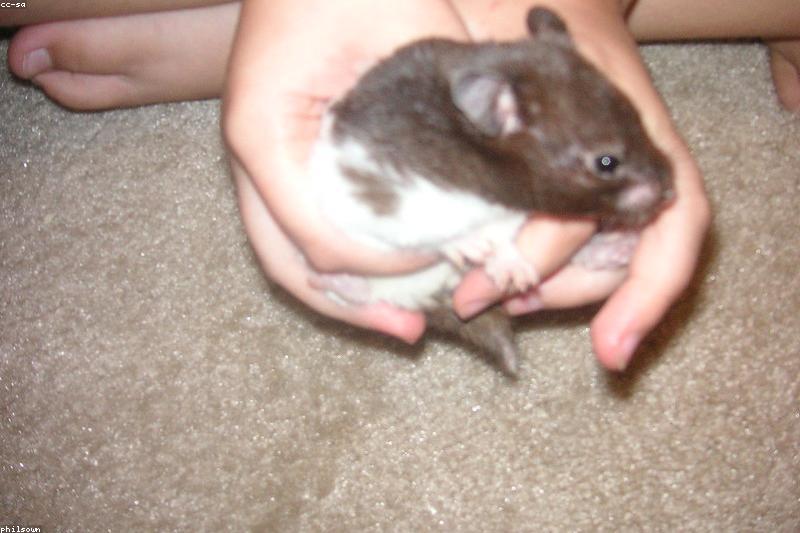
Why Vets Have Turned Against the Ball
A hamster navigates with its nose, its whiskers and a keen sense of touch. Its eyesight is poor even in good light. Inside a sealed plastic sphere the animal loses its bearings, cannot smell where it is, cannot brace against the ground, and cannot stop when it wants to. That is not exercise — it is a loss of control, and for a prey species with nowhere to hide it is genuinely frightening. Many hamsters urinate inside the ball out of fear, then keep running through their own waste because there is no way out.
The Specific Risks, One by One
| Risk | What actually goes wrong |
|---|---|
| Toes and claws | Ventilation slits catch tiny toes and nails, which can break, tear or dislocate |
| Spine | A ball that is too small forces an arched running posture and strains the back |
| Overheating | Airflow is poor, so body heat and ammonia build up quickly inside the shell |
| Collisions and falls | The hamster cannot steer, so stairs, furniture and table edges become dangerous |
| No water or rest | Unlike a wheel, the ball offers no way to step off, drink or retreat |
| Escapes | Lids pop open, and a loose hamster near other pets may not survive the encounter |
The size problem deserves particular attention. Most balls are sold as one-size-fits-all, yet a mature Syrian is far longer than a dwarf hamster. If the back curves while the animal runs, whatever the equipment, the size is wrong.
If You Use a Ball Anyway
Many owners will not give them up, and there is a middle path that reduces the worst risks:
- Choose the largest ball available and check that the back stays straight, not arched.
- Limit the first sessions to three to five minutes, and never exceed fifteen.
- Stay in the room and watch the whole time. Never leave a hamster unsupervised.
- Use one flat, obstacle-free floor — no stairs, ledges or gaps under furniture.
- Fit the lid firmly and check it before every single session.
- Rinse and dry the ball afterwards, and stop at once if the hamster pants, flattens down or keeps trying to escape.
Those moments of distress are not the hamster settling in. They are a clear signal that the ball is the wrong choice for that animal.
Better Ways to Give Your Hamster Room to Move
A playpen, a dry bathtub lined with towels, or a small hamster-proofed room all let the same animal explore safely with its senses intact. Scatter a few tubes, hides and treats around, sit on the floor beside it, and let your hamster decide where to sniff, dig and rest.
- A solid-surface exercise wheel sized to the species — around 21 cm for a dwarf hamster, 28 to 30 cm for a Syrian.
- Deep bedding, so burrowing becomes the main event instead of a plastic ball.
- Tunnels, cardboard tubes and a sand bath for natural enrichment.
- Scattered food and safe chew toys to keep the evening busy.
Getting the Cage Right First
The best out-of-cage plan is worthless if the enclosure itself is too small. Aim for at least 100 x 50 cm of unbroken floor space for a Syrian and 80 x 50 cm for a dwarf, and fill it with a correctly sized wheel, plenty of deep bedding and two or three hides. A hamster in a well-equipped cage exercises itself all night without any help from you, and the appeal of the ball quietly disappears.
An exercise ball is not a problem because vets say so. It is a problem because it blocks every sense a hamster relies on and gives the animal no way out. A wheel, deep bedding and a supervised playpen do the same job far better.