Walking gear has two jobs: keeping your pet identifiable and keeping outings under control. Neither job gets done when a collar has stretched loose, a harness rides up into an armpit, or a leash clip is half worn through. Fit is also not a one-time decision. Bodies change with growth, weight, seasons and age, so the gear that fit in spring may pinch by winter. The checks below take minutes and prevent the two most common gear failures: escape and chafing.
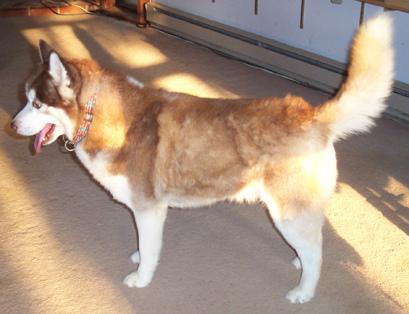
Start With the Two-Finger Rule
For a collar and for every harness strap, you should be able to slide two adult fingers flat underneath — snug, not forced. If you cannot get two fingers under, the strap is too tight and will restrict movement and skin. If three fingers slide in easily, the strap is too loose and turns into an escape route. Measure rather than guess when buying new gear: wrap a soft tape around the widest point of the chest, just behind the front legs, and around the neck where a collar naturally sits, always while your pet is standing. Growing puppies and kittens need a re-check every few weeks, because a collar that fit last month may already be too snug.
Cat Collars: Breakaway or Nothing
A cat should only wear a quick-release, or breakaway, collar designed for cats. The buckle pops open under load, so a collar that snags on a branch or furniture releases instead of trapping the cat. Avoid elastic inserts, which can stretch around a limb or the jaw instead of letting go. Keep the collar lightweight: heavy tags and bulky charms change how the release behaves, so choose a small engraved disc. Never lock the buckle shut, and re-test the fit the same way as for dogs, since cats often hunch their shoulders when a collar first goes on. Pair the collar with a microchip rather than choosing between them, and if your cat wears a harness outdoors, apply every harness rule below in miniature.
The Seven-Point Harness Check
| Check | What good looks like |
|---|---|
| Neck opening | Sits low on the chest, never across the windpipe |
| Shoulders | Full, free stride with no strap across the shoulder blade |
| Behind the elbows | Clearance with no rubbing as your pet steps |
| Chest strap | Centered and flat, not sliding toward the throat |
| Rotation | Gentle leash pressure does not twist the harness sideways |
| Escape test | Light backward pressure indoors; your pet cannot back out |
| After the walk | No redness, hair loss or damp patches under any strap |
Watch your pet walk a few steps in a new harness before leaving home. A shortened stride, a leg catching a strap, or repeated scratching at one spot all mean the fit is wrong regardless of what the size label says.
Wear Checks: When Gear Retires
Once a week, hold each piece up to the light and look for frayed webbing, cracked or whitened buckles, bent D-rings and stitching coming loose at the leash clip. A leash deserves the same glance: the handle stitching and the snap hook take the most stress, and both fail quietly. Retire gear at the first fray rather than waiting for it to snap mid-walk. Between outings, take the harness off — constant wear traps moisture, rubs fur and causes sores that a walk-only harness never would. Wash gear according to its label, let it dry completely before storing, and re-run the two-finger test after any weight change or seasonal coat change.
The bottom line: gear that fits is checked gear. Two fingers under every strap, seven points on the harness, one weekly look at the webbing and clips — that small routine keeps identification on your pet and control in your hand, in every season.