When a family member leaves for university, a new job or their own place, humans brace for the quiet. Pets rarely get the memo. For a dog, the person who did the evening walks is suddenly gone; for a cat, the lap that appeared every evening has vanished. Most pets adjust within a few weeks, especially when the household handles the change deliberately. Here is how to spot the wobble and shorten it.
Why Departures Rattle Dogs and Cats
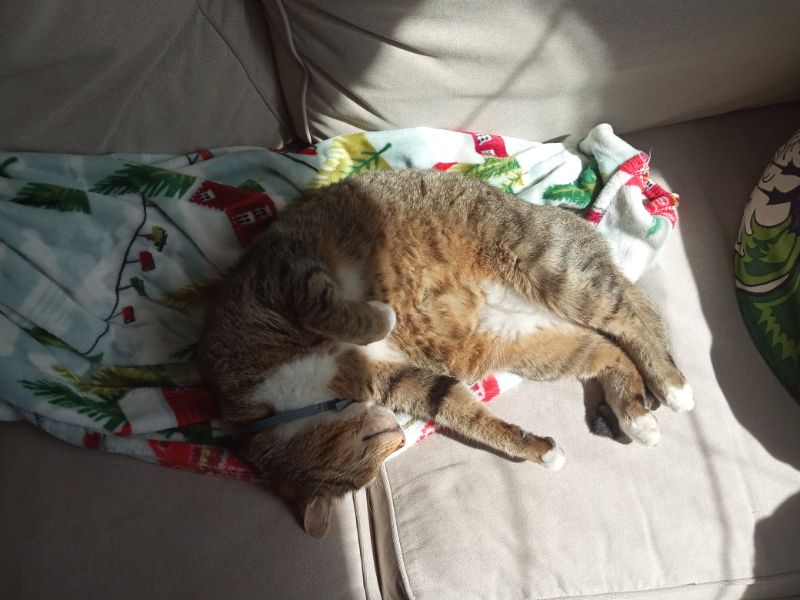
Pets build their sense of safety on predictable patterns, and a favorite person is woven into dozens of them: breakfast scraps, the sofa corner, the time of the first walk. When that person disappears overnight, the pattern breaks everywhere at once. Dogs often show it openly, waiting by the door at the usual arrival time, whining, following the remaining family members from room to room. Cats tend to go quieter: more sleeping, more hiding, occasional night-time yowling, or new clinginess on their own terms. Neither is misbehavior. Both are grief and confusion working themselves out.
Shift the Routine Before the Day
If the departure is planned, use the weeks before it. Have the leaving person gradually hand over their pet jobs: the after-dinner walk, the bedtime play session, the morning feed. When the remaining household takes these over early, the pet’s routine survives the departure almost intact. On the day itself, keep it ordinary: same walk time, same food, calm goodbyes. Long, emotional farewells tell your pet that something enormous is happening, which is exactly the message you do not want to send.
Keep the Scent, Keep the Anchor
Scent anchors pets to their people, so do not rush to wash everything the departing person owned. If your dog keeps visiting an empty bedroom or your cat sleeps on a particular jumper, allow it for now; those smells are comforting while the new normal settles. Keep the bedroom door open if the pet is calm about it, or give them a worn item of clothing placed in their own bed. Once your pet has stopped seeking the person out, usually within a few weeks, the room can slowly return to normal use.
Fill the Gap They Leave Behind
The missing person usually took activity with them, so replace it deliberately rather than hoping the day stretches on its own:
- Add one extra walk or a longer sniffy route for dogs, ideally at the old walking time
- Schedule two short interactive play sessions a day for cats, morning and evening
- Use food puzzle toys on the days that feel quietest
- Rotate toys so old ones feel new again
- If someone else can occasionally step in, a midday visit or short dog-walk breaks up the longest stretch alone
- A short video call with the departed person can delight some pets and is worth one gentle trial
Signs the Adjustment Is Stuck
Give it two to three weeks of steady routine. Then check the trend: eating normally, sleeping normally, using the tray or asking to go out as usual, and showing interest in walks and play. Call your vet if appetite stays low, a cat stops grooming or hides for whole days, toilet habits change, or destructive chewing and door-scratching continue, since those signs can also point to medical problems rather than homesickness. Most pets, given predictability, exercise and a bit of patience, land on their feet. And the next visit home, with its explosion of familiar scent and routine, will likely be the happiest day of your pet’s month.