Walk into any reptile shop and you will find both heat mats and heat lamps on the shelf, often beside each other, with no sign explaining that they do fundamentally different jobs. Pick the wrong one for your species and you get an animal that eats reluctantly, digests slowly, or worse — burns itself trying to warm up. Getting heat right is less about brand loyalty and more about how your particular species experiences warmth in the wild.
Two Kinds of Warmth, Two Different Jobs
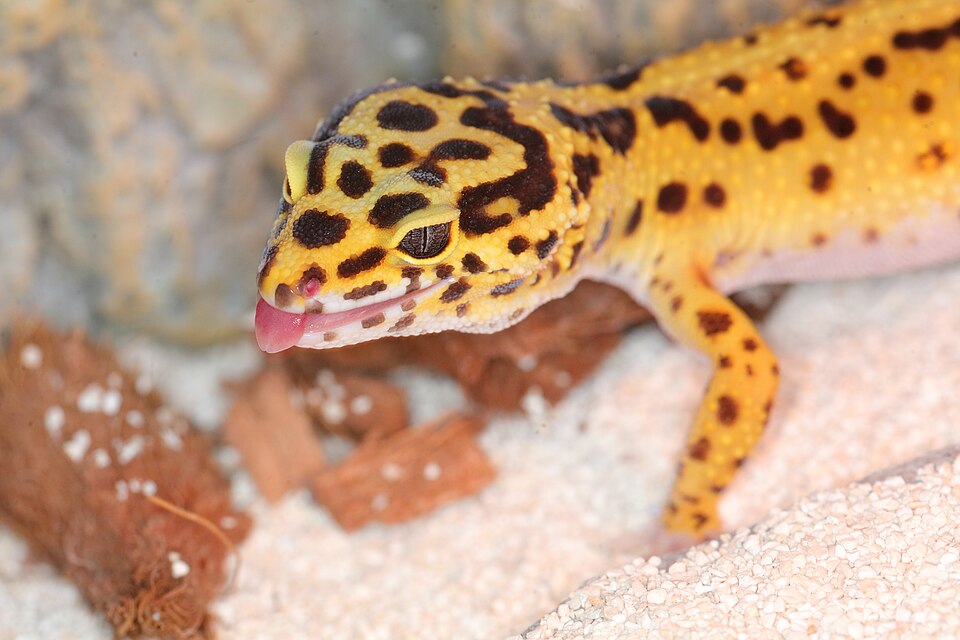
A heat mat delivers gentle, constant warmth from below. Many reptiles in nature absorb heat through their bellies by resting on rocks and surfaces that stay warm after sundown, so mats suit species that live on or under the ground — leopard geckos, corn snakes, ball pythons and most nocturnal burrowers. A heat lamp beams warmth and usually light from above, mimicking the sun. Basking species — bearded dragons, most turtles, and daytime lizards generally — orient themselves toward overhead warmth and thermoregulate by shuttling between the basking zone and the cool side of the terrarium.
Match the Source to the Species
| Species | Better fit | Why |
|---|---|---|
| Leopard gecko | Heat mat | Nocturnal; absorbs warmth from below |
| Ball python | Mat, often with lamp | Ground dweller that also climbs |
| Corn snake | Either, used correctly | Flexible; the gradient matters most |
| Bearded dragon | Heat lamp | Diurnal basker; needs bright overhead zone |
| Crested gecko | Low lamp or none | Fine at room temperature in most homes |
Never Without a Thermostat
This is the single most important sentence in the article: every heat source, mat or lamp, goes through a thermostat with its probe placed where your reptile actually rests. Unregulated mats have heated to levels that cause severe underside burns, and lamps without dimming thermostats swing with room temperature. Set the probe surface to your species’ target — around 32 degrees C for a leopard gecko’s warm hide, roughly 38 to 42 for a bearded dragon’s basking spot — and verify with an infrared temperature gun, because a thermometer across the room tells you about the air, not the surface your animal touches.
Night Heat, Placement and Common Burns
Placement details cause most accidents. Mats belong on the side or back wall of a glass terrarium, never under the substrate where a burrowing reptile can be trapped against an overheating floor — side-wall mounting lets the animal regulate by moving its belly on or off the warmed surface. For night heat in a basking setup, a ceramic heat emitter adds warmth without light, and the old red or blue night bulbs are unnecessary: most reptiles see that light perfectly well, and a light on all night degrades their day-night rhythm more than owners assume.
Build the gradient first, measure it for a few days with the probe and the temperature gun, and only then introduce your reptile. Heat is the one part of a setup you can dial in perfectly before the animal ever arrives, which makes every burn from a missed thermostat a preventable one.
This article is general husbandry information, not veterinary advice. A burn that blisters or breaks the skin needs reptile-experienced veterinary care.