Food bowls are the least glamorous part of feeding a cat or dog, and the one piece of equipment that touches every single meal. Material matters more than color or shape: it decides how easily the bowl can be sanitized, how long it stays safe, and what may or may not leach into dinner. It is also one of the cheapest upgrades in pet care.
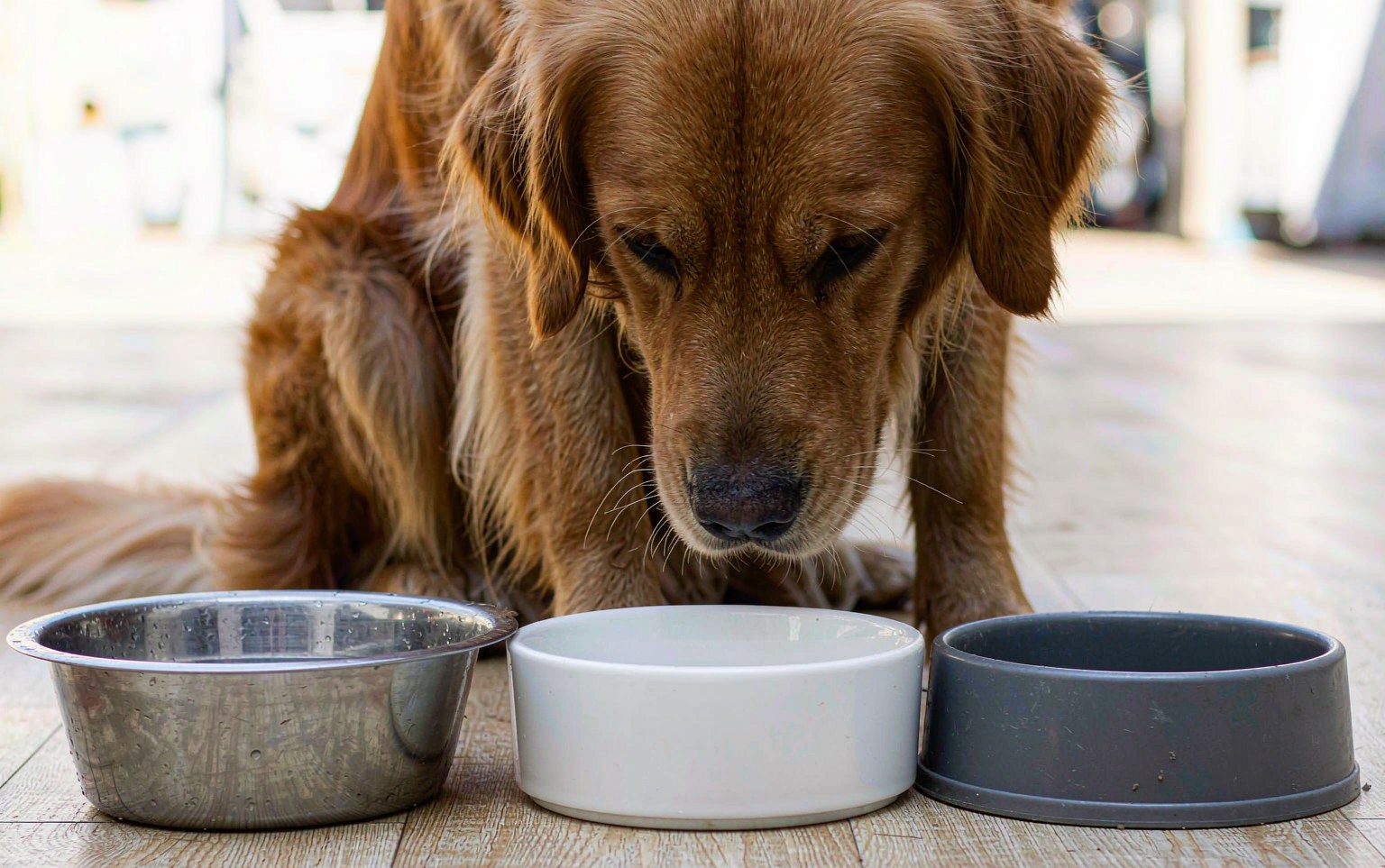
What each material does well
| Material | Strengths | Watch out for |
|---|---|---|
| Stainless steel, food grade 18/8 or 304 | Non-porous, does not leach, dishwasher safe, nearly unbreakable | Very thin bowls can dent; check for sharp seams |
| Ceramic and stoneware | Heavy and tip-resistant; a smooth glaze cleans well | Glaze must be lead and cadmium free; chips expose porous clay and sharp edges |
| Glass | Completely inert, odor-free, dishwasher safe | Breaks and chips; a poor match for enthusiastic chewers |
| Plastic, BPA free | Light, cheap, colorful | Scratches easily, traps bacteria in gouges, absorbs odors, and may contain BPA or phthalates if unverified |
| Silicone, food grade | Collapsible and travel friendly, dishwasher safe | Picks up odors over time; wash promptly after wet food |
A note on dishwashers and daily care
Most stainless steel and dishwasher-safe ceramic bowls tolerate a hot dishwasher cycle, which cleans more thoroughly than most hand washing. Plastic and silicone vary: high heat can warp some plastics, and silicone should follow the manufacturer’s guidance. Keep pet bowls in a separate load from human dishes if that feels cleaner to you. Whatever the method, the material still decides the ceiling: a scratched plastic bowl stays hard to sanitize even in a dishwasher, while a smooth steel bowl comes out genuinely clean every time.
The scratch problem
Every material fails the same way: damage. Scratches, chips, and cracks create crevices that washing cannot reach, and a damaged surface holds far more bacteria than a smooth one. A chipped ceramic rim can also cut a tongue. The fix is not more scrubbing but replacement. Check the inside surface of every bowl about once a month; if it no longer feels glass-smooth, retire it. Damage is also cumulative and hides well: run a fingertip along the inside bottom of a plastic bowl after a few months and you will feel ridges you never see. Stainless steel is the exception that keeps its surface through years of dishwasher cycles.
Matching the bowl to your pet
- Cat with chin acne or a sensitive chin: stainless steel or glass; plastic bowls are linked to chin breakouts
- Dog who flips lightweight bowls: heavy ceramic or thick-gauge steel with a rubber base
- Long-eared dogs such as spaniels: a narrower, deeper bowl keeps ears out of the food
- Flat-faced cats and dogs: a shallow, wide bowl so the face can reach the food comfortably
- Travel and camping: silicone, retired once it starts holding smells
- Household default: one or two good stainless bowls, washed daily and swapped into the dishwasher overnight
None of this is complicated. A food-grade stainless steel bowl, checked occasionally and replaced when it is damaged, is the boring answer that wins on hygiene, durability, and safety for both cats and dogs.