Finding a bald patch on your hamster is alarming — one day the coat is plush, the next there is a thin spot behind an ear or over a hip. Fur loss, called alopecia in vet notes, is a symptom rather than a diagnosis: some causes are completely normal, some are contagious, and a few point to internal disease. Reading the pattern is how you decide whether to relax or book a vet visit.
Patches That Are Actually Normal
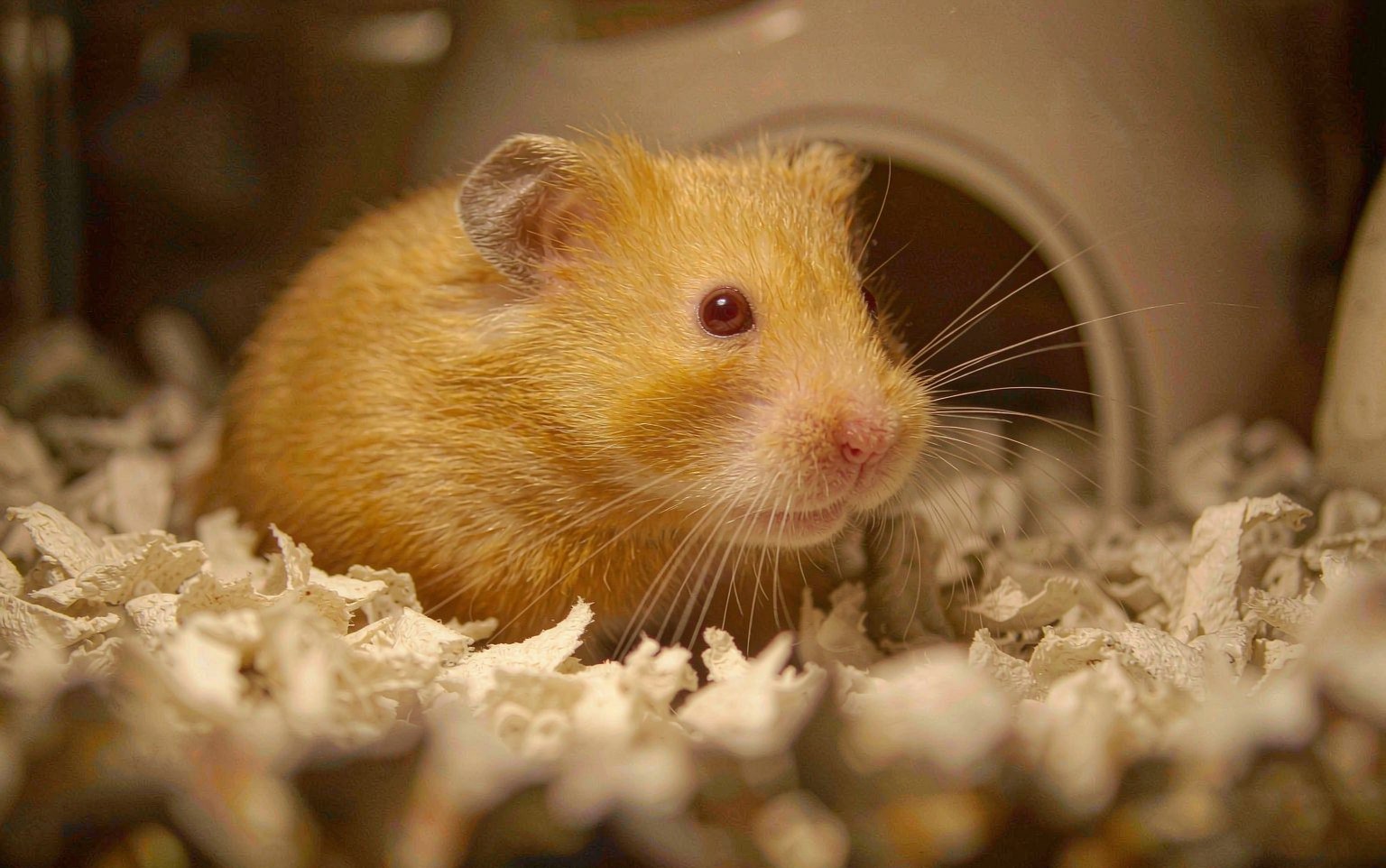
Syrian hamsters carry scent glands on each hip that look like dark, slightly furless spots, and new owners often mistake them for disease — they are simply anatomy, and no treatment is needed. Coat thinning is also expected with age: hamsters live only two to three years, and seniors groom less and grow finer fur. Many hamsters also shed lightly during seasonal temperature swings, then refill the coat within weeks. Location gives you the first clue. Fur that thins symmetrically over both hips usually points to glands, friction from a wheel edge, or age, while randomly scattered thin spots raise the odds of parasites or infection.
The Common Culprits at a Glance
| Cause | Typical signs | What helps |
|---|---|---|
| Cage friction | Fur rubbed thin over hips or shoulders | Remove rough edges; solid wheel |
| Low-protein diet | Dull, generally thin coat | Balanced blocks or quality mix |
| Barbering | Neatly chewed short fur from a cage mate | House hamsters separately |
| Mites | Intense itching, scabs, dandruff | Vet diagnosis and treatment |
| Ringworm | Round bald patches with scaling | Vet antifungal, deep cleaning |
Mites and Ringworm Deserve Real Caution
Mites are the most common infectious cause, producing relentless scratching, flaky skin and scabs over the back and rump. Some hamsters carry a small mite population without symptoms until stress, illness or old age lets the numbers explode. Ringworm — a fungus, not a worm — creates circular bald patches and can spread to people and other pets, so wash your hands after handling and mention any human rash to your doctor. Once treatment starts, deep-clean the cage, replace all bedding, and discard wooden chew toys that cannot be disinfected, because spores and mites survive on surfaces and reinfection is common when the habitat keeps its old contamination.
When to Call the Vet
Book an appointment if the bald area is itchy, red or crusted; if hair loss spreads quickly; or if it comes with appetite loss, weight loss or low energy. Taking clear, dated photos helps the vet judge how fast the change is happening. Vets narrow the cause with a skin scraping or tape prep under the microscope, a fungal culture, and sometimes bloodwork for thyroid, kidney or other internal disease. Be patient with recovery: once the underlying cause is treated, fur usually regrows in four to six weeks, though senior hamsters refill more slowly and may keep a thinner coat.
Bottom line. A dark spot on the hip of a Syrian is usually just his scent gland, but itching, scabs or spreading baldness need a vet — in a 150-gram dwarf, skin problems escalate fast. This article is general information, not a veterinary diagnosis.