Mats are not a grooming failure that happens to careless owners — they are a physics problem that happens to every long-coated dog and cat eventually. Fur twists where friction lives: behind the ears, under the collar, in the armpits, along the trouser line of the back legs. Left alone, a tangle tightens into a felted mat that pulls on skin with every step. The good news is that most mats are workable at home if you go slow, and nearly all of them are preventable with ten minutes a week.
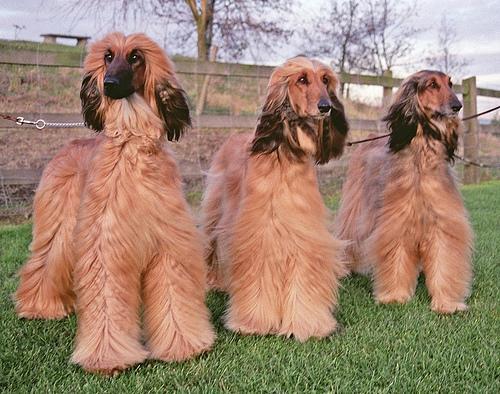
How a Tangle Becomes a Mat
Loose dead undercoat is the raw material. It sheds, tangles around healthy guard hairs, and every movement twists it tighter. Moisture finishes the job: a damp walk, a swim, or a bath without thorough drying compacts the tangle into felt. Cats get their own version in places the tongue cannot manage — behind the ears, along the back of the hind legs, near the base of the tail, especially in older cats who groom less thoroughly. Run your hands over the friction zones weekly and you will find problems while they are still the size of a grape, not a fist.
Loosening a Mat Without Hurting Anyone
Work in good light with your pet leaning against you, and follow this order:
- Hold the fur at its base, close to the skin, so every pull goes into the dead hair, not the skin
- Split with fingers first. A big mat breaks into small ones, and small ones are workable
- Dust a little cornstarch or a pet detangler into the mat to add slip
- Comb from the tip inward, a few strands at a time, short strokes — never start at the skin and drag
- Stop while it is still pleasant, reward, and come back tomorrow for the rest
One warning deserves its own sentence: never cut a mat with scissors against the skin. Skin folds up into tight mats, and more than one emergency visit has started with a careful owner and a pair of scissors. If a mat sits tight against the skin, covers a large area, or your pet will not sit still for it, that is a groomer’s job — clippers are the safe tool for felted fur, and there is no shame in using them.
Prevention: Ten Minutes Beats Two Hours
Every coat has a schedule, and it is shorter than most owners assume.
| Coat type | Weekly routine that prevents mats |
|---|---|
| Short coat (beagles, most cats) | One rubber-mitt or bristle pass a week; check friction points |
| Medium double coat (retrievers, shepherds) | Two to three slicker sessions a week, down to the undercoat |
| Long or silky coat (afghans, shih tzus, long-haired cats) | Short daily combing of ears, armpits and trouser line |
| Curly coat (poodles, doodles) | Combing to the skin every one to two days plus professional trims |
Beyond brushing, three habits do half the work: dry thoroughly after every bath or swim — damp fur felts overnight; brush before the bath, never after a tangle has been soaked; and check the collar line weekly, because a snug collar rubbing on a shaggy neck builds its own private mat. Older pets deserve extra checks, since stiff joints make them groom less and mats form faster.
The takeaway. Find tangles while they are grapes, split them with your fingers, comb from the tip inward, and hand anything felted to a groomer instead of a pair of scissors. Then put a ten-minute brushing habit on the calendar — because the cheapest mat to deal with is the one that never forms.