Twice a year, most rabbits exchange their coat, and the autumn molt, which builds the thicker winter coat, can turn a tidy rabbit into a walking cloud of fur. Fur comes out in handfuls, bald-looking patches appear along the back, and loose fluff drifts across every room. It looks alarming and it is normal, but it is also the season when rabbit owners need to work hardest, because swallowed fur is the hidden danger behind every molt.
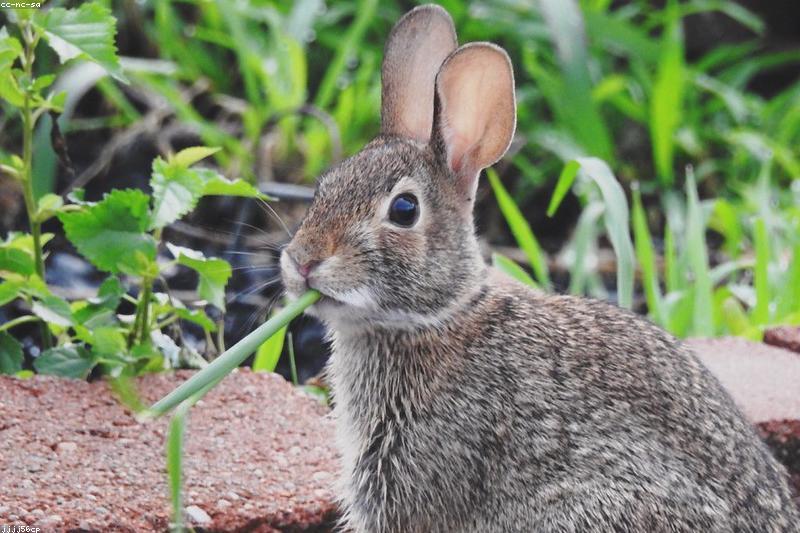
How the Autumn Molt Progresses
Rabbit molts move across the body in a visible line, usually starting at the head and traveling down the neck, back, and flanks toward the tail, with a clear boundary between old and new coat. Some rabbits shed gradually over several weeks; others drop most of the coat in a few dramatic days. Both patterns are normal, and indoor rabbits under artificial light may molt at odd times or almost continuously. What is not normal: symmetrical baldness, red or scabby skin beneath the patches, or a rabbit pulling out its own fur. Those signs need a vet, not a brush.
Brushing Frequency During the Molt
| Coat type | Normal season | During the molt |
|---|---|---|
| Short coat | Once a week | Daily, or twice daily in heavy shed |
| Long coat (Angora, Lionhead) | Daily light brushing | Twice daily plus combing |
| Rex coat | Once a week, soft brush only | Twice weekly, very gentle |
Short daily sessions beat one long weekly battle. A two-minute brush before the evening feed, at the same time each day, removes more fur over a week and keeps the rabbit relaxed. Work on a low, non-slip surface with the rabbit standing, never on its back, and follow the direction of the coat. Loose tufts can be gently plucked by hand, and a damp stroke of the hands along the back lifts fluff nicely.
Why Swallowed Fur Is Dangerous
Rabbits cannot vomit. Cats bring up hairballs; rabbits cannot, so every strand swallowed during self-grooming must travel all the way through the gut and out in the droppings. Normally, a hay-fed gut keeps fur moving, but when the gut slows, from stress, dehydration, pain, or too little fiber, swallowed hair packs into a mass and blocks the system. The result is gastrointestinal stasis, one of the most common and fastest-killing rabbit emergencies. Prevention is simple and non-negotiable: brush out the loose fur so there is less to swallow, and keep unlimited grass hay and fresh water in front of the rabbit at all times, because fiber and hydration are what push hair through.
Warning Signs During the Molt
- Not eating, or eating hay reluctantly
- Fewer, smaller, or misshapen droppings
- Sitting hunched, grinding teeth in pain, or unusually quiet
- A bloated or gassy-feeling belly
Any of these during a molt is an emergency: call a rabbit-savvy vet the same day rather than waiting overnight. Never give hairball remedies or laxatives without veterinary guidance.
The Takeaway
The autumn molt is a two-to-four-week job with a simple loop: brush daily, keep hay and water unlimited, and glance at the litter tray every morning. Steady round droppings mean fur is passing safely. Keep that loop running and your rabbit will come out the other side wearing its thick winter coat, healthy and unbothered.