Most pets eat the same recipe for years. Rotation takes the opposite view: alternate between proteins such as chicken, beef, lamb, turkey, duck or salmon over weeks or months, so the bowl changes regularly. Done calmly, it can make a pet a more flexible, less fussy eater. Done abruptly, it is a fast route to an upset stomach. The idea sounds modern, but it is really a return to variety: a hunting animal never ate the same meal twice. As with most feeding questions, the difference is pacing.
What Rotation Actually Means
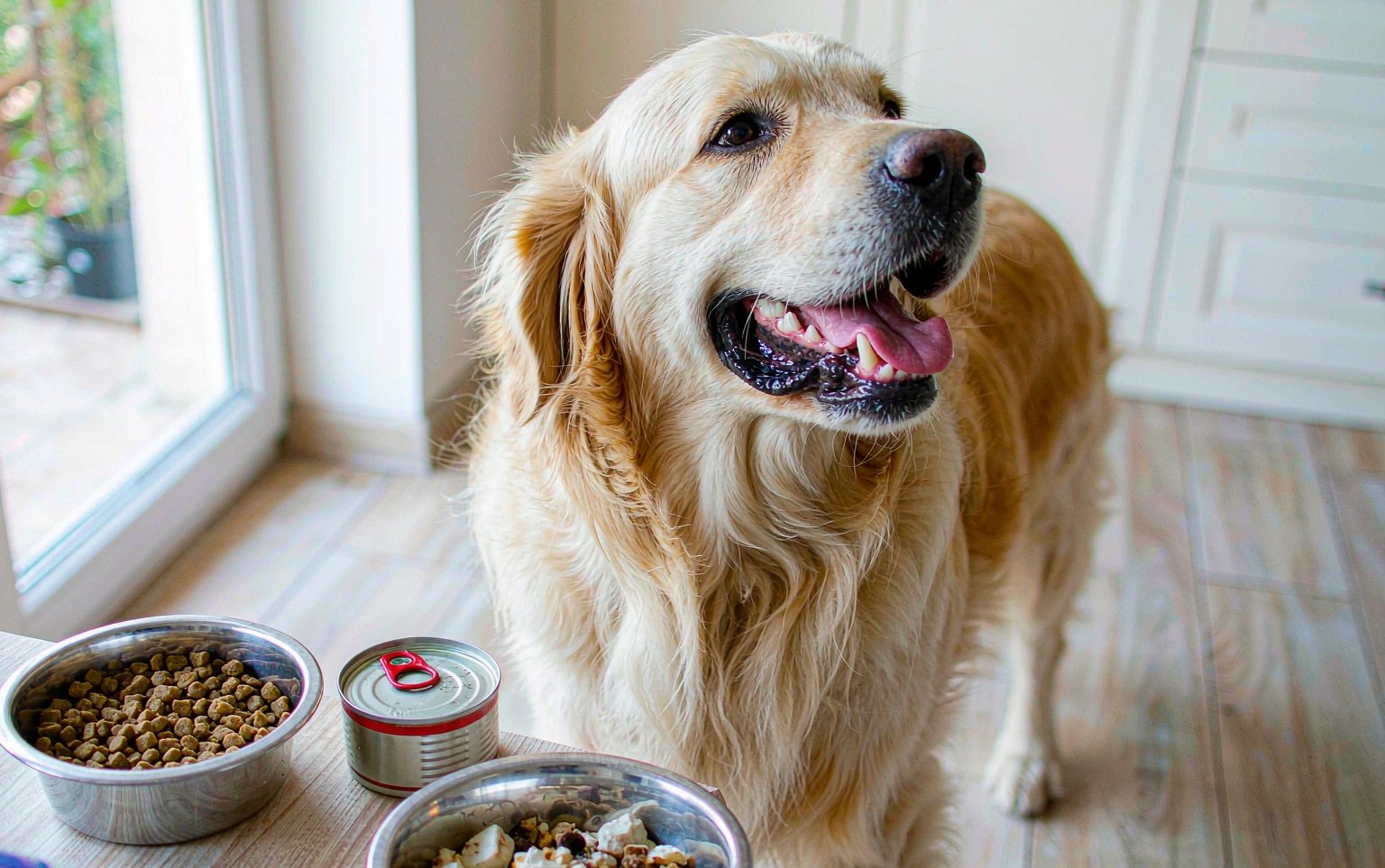
Rotation is structured variety, not random novelty. It can mean changing the protein each time a bag runs out, rotating recipes within the same brand line, alternating kibble with wet food, or simply varying the topper on a steady base diet. The pet still gets consistent meal times and portioning; only the recipe moves, and it moves on a schedule the owner chooses in advance. Whatever the pattern, the rule is the same: one change at a time, with days between changes to watch the result.
The Case for Variety
- A broader nutrient spread: different recipes lean on different ingredients, so the diet samples more of them over time.
- Dietary flexibility: pets raised on a single flavour often struggle when a formula change, a supply problem or a life stage shift forces a switch. Rotation builds tolerance for change early.
- Gut diversity: a varied diet supports a wider range of gut microbes, which tends to make future transitions gentler.
- Less fussy eating: monotony breeds pickiness, and a moving menu keeps dinner interesting.
The Case for Caution
- Sensitive stomachs: pets with a history of digestive upset may do best on one consistent, highly digestible recipe.
- Allergy investigations: identifying a food sensitivity requires a strict single protein trial, which rotation would sabotage.
- Calorie drift: recipes differ in energy density, so a cup of one is not a cup of the same calories in another.
- Switching too fast: sudden change is the usual cause of the loose stools people blame on rotation itself.
- Logistics: juggling several open bags invites stale food, so buy smaller bags and note the opening date on each one.
A Sensible Starting Schedule
| Phase | What to do |
|---|---|
| Weeks 1 and 2 | Stay on the current food; confirm steady appetite, energy and stool |
| Week 3 | Mix about a quarter of the new protein into the old food |
| Week 4 | Move to roughly half and half, then finish the transition if all is well |
| Ongoing | Hold each protein for 2 to 4 weeks before planning the next change |
Two habits make rotation work. First, transition gradually every single time, even between recipes from the same brand. Second, adjust portions by weight and keep an eye on body condition, because every new recipe resets the calorie math. Pets with known ingredient reactions, or those on a therapeutic diet chosen by a veterinarian, should stay on the plan that was set for them. For everyone else, gentle variety is a reasonable and even enjoyable addition to a feeding routine. Keep each change separate, and note every switch in a simple feeding journal so patterns are easy to spot later.