Owners often blame pickiness when a pet walks away from a freshly served bowl. Sometimes the food is simply too cold. Refrigerated wet food holds its smell in, and smell, not taste, is the sense that sells a meal to a cat or dog. Serving temperature is one of the cheapest feeding adjustments there is, and research suggests it matters more than most people assume. It costs nothing, takes two minutes, and often decides whether dinner gets finished or abandoned.
What the Research Shows
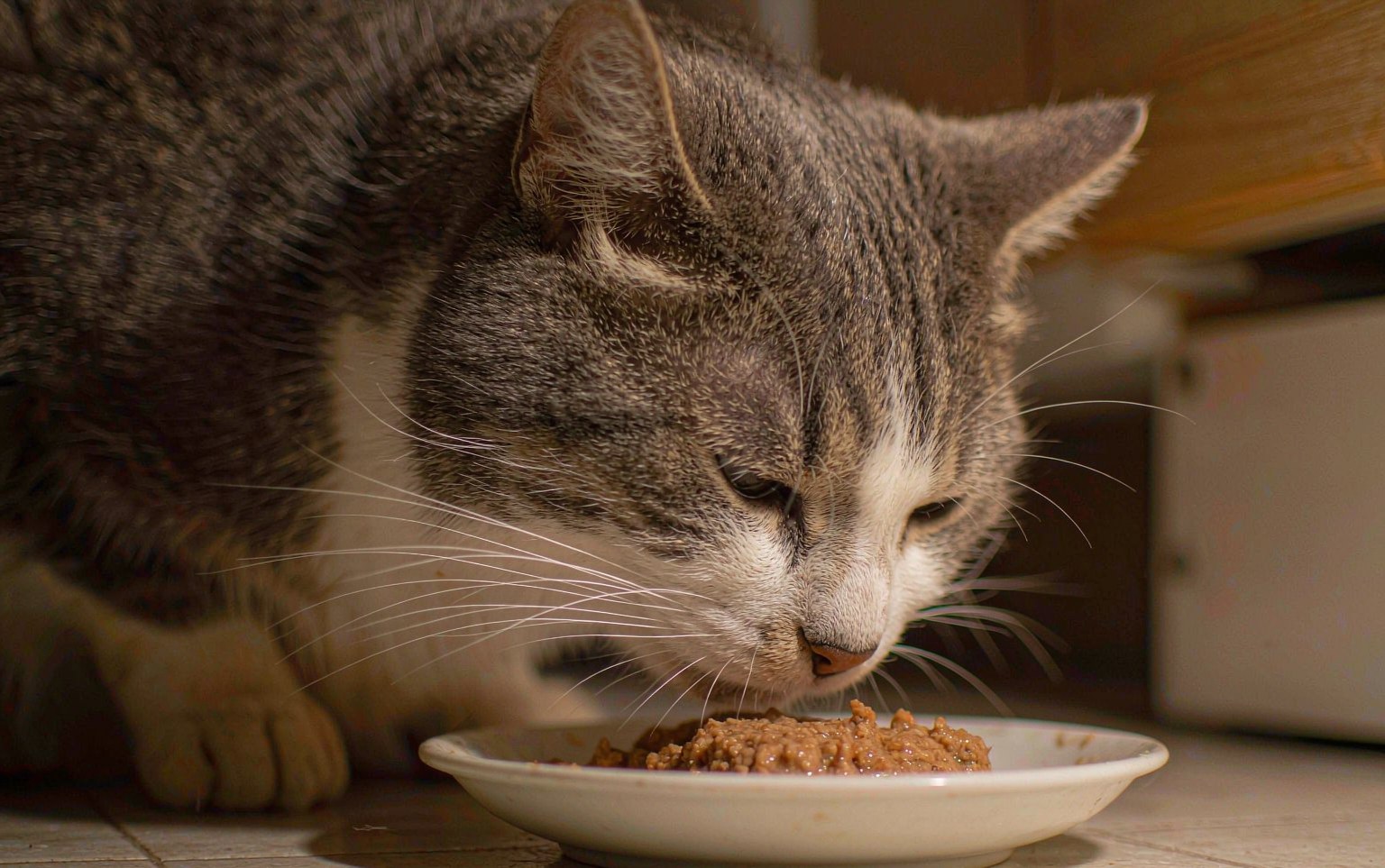
In a study of cats over seven years old, the same wet food was offered at three temperatures: fridge cold at 6 degrees, room temperature at 21 degrees, and body temperature at 37 degrees. The cats ate most of the food served at body temperature, less at room temperature, and clearly least from the chilled bowl. Food chemistry explains part of the gap: warming releases more of the compounds that give meat its aroma, and gentle warmth may echo the body heat of fresh prey, a signal many animals read as freshness. Dogs are generally less fussy than cats about this, but many also prefer room temperature or warmer over a chilled bowl.
Three Safe Ways to Take the Chill Off
- Warm water bath: stand the portion, in its own dish, in a bowl of warm water for 5 to 10 minutes, then stir and test.
- A splash of warm water: stir a tablespoon into dense food. It loosens texture, spreads aroma and adds a little moisture for free.
- A short microwave burst: always transfer food out of the can first, heat in short bursts, stir thoroughly to eliminate hot spots, and finish with the wrist test.
The target is barely warm to your wrist, around body temperature, never hot. Pet mouths are more sensitive than human hands, and overheated food can burn, so when in doubt, let it cool and stir again.
A Quick Temperature Guide
| Serving temperature | What to expect in the bowl |
|---|---|
| Fridge cold, below 10 degrees | Aroma muted and fat firm; frequently refused, especially by cats |
| Room temperature, 20 to 22 degrees | An acceptable everyday target for most pets |
| Body warm, 35 to 38 degrees | Best aroma release; the favourite in feeding trials |
| Hot, above 45 degrees | Burn risk; cool and stir before serving |
When Warming Matters Most
Older pets benefit the most. As senses dull with age, a stronger scent cue is often the difference between finishing dinner and leaving it. Gentle warmth also helps pets with dental sensitivity, who find firm, cold fat unpleasant, and it suits any pet that dislikes the waxy feel of a chilled portion of food. It also helps any pet newly transitioned to a different food that needs every encouragement to try it. Dry kibble is the exception: temperature barely matters there, and ambient is fine.
None of this requires new equipment or extra shopping. Take the portion out of the fridge a little earlier, or give it a short warm water bath, and let aroma do the rest. A bowl served at body temperature simply smells more like food, and that is often all a hesitant eater needs.