Most companion parrots come from tropical regions where sunlight is a daily fact of life, yet many pet birds live entirely indoors and never receive meaningful ultraviolet exposure. That gap matters more than most owners realize, because UV light is tied to calcium metabolism, food selection, and everyday wellbeing. The good news is that the fix is simple once you know what actually works.
Why Indoor Birds Run Low on Vitamin D
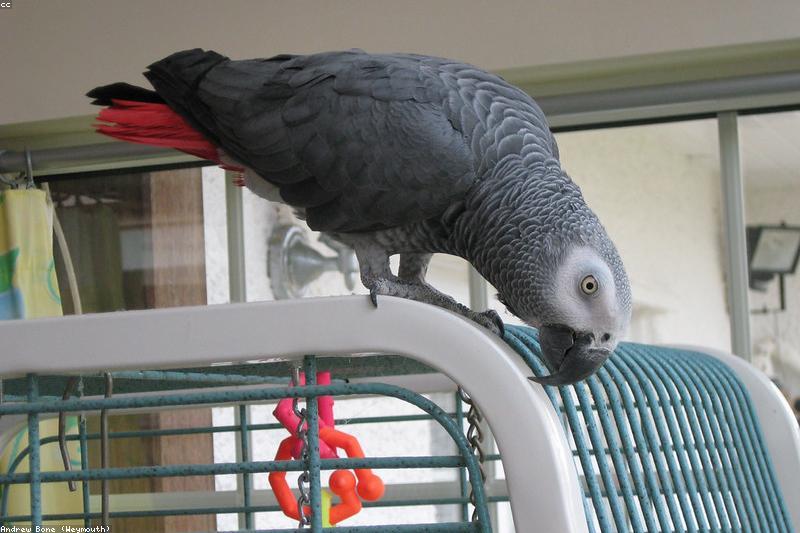
UVB wavelengths are what allow birds to synthesize vitamin D3, which regulates calcium and phosphorus. Ordinary window glass filters UVB almost completely, so a bird sunbathing on a windowsill is getting warmth and light but none of the benefit. Birds also use UV in an unusual way: precursor vitamin D3 concentrates in the oils of the preen gland, the bird spreads those oils on its feathers while preening, UVB converts the precursor on the feather surface, and the bird ingests it at the next preen. Species such as African grey parrots are especially prone to low blood calcium without adequate UVB, which in severe cases can even lead to seizures.
Real Sunlight: Free and Effective If Managed
In warm months, direct outdoor sun for 20 to 30 minutes, two to three times a week, is the ideal source. A few rules keep it safe:
- Keep the bird in a securely latched cage or in a harness, and never leave it outside unattended, because predators are a real risk
- Always provide a shaded area the bird can retreat to
- Aim for mild temperatures, roughly 18 to 29 degrees Celsius, ideally mid-morning
- Watch for overheating: open-mouthed panting or wings held away from the body means bring the bird in now
Setting Up a UVB Bulb Safely
When outdoor time is not practical, a dedicated UVB lamp fills the gap. Placement and product choice decide whether it helps or harms:
- Choose a reputable bird or reptile UVB tube, ideally linear, and read the package distance instructions carefully
- Mount the lamp above the cage, never to the side, and make sure no glass or plastic screen sits between lamp and bird, because those filter UVB out
- Run the lamp about 3 to 4 hours a day on a timer, and always give the bird a UV gradient so it can move away from the light
- Replace the bulb every 6 months, since UV output fades long before the light looks dim
Beware of marketing: an ordinary bright household bulb labelled full spectrum does not automatically produce useful UVB, and many products on the market lack documentation for their claims. If your bird squints, rubs its face, or develops redness around the eyes under the lamp, discontinue use and consult an avian veterinarian.
Who Benefits Most
Every indoor bird gains something from proper UV exposure, but the biggest winners are birds on seed-heavy diets, chronic egg-laying hens, and species with known calcium sensitivity. Improved lighting will not fix a poor diet on its own, so pair it with balanced nutrition, and bring persistent behavior changes to an avian vet before assuming light is the whole answer. Consistent daylight hours, real darkness at night, and a reliable UVB source together give an indoor parrot something close to the environment its body expects.