Ask ten fishkeepers how often they feed their fish and you will hear ten different answers. The truth is less mysterious than the debates suggest: most healthy adult fish need only one or two small meals a day, and the most common beginner mistake is not underfeeding but overfeeding. Since uneaten food is the fuel for ammonia spikes, algae blooms, and cloudy water, getting the feeding routine right prevents a long list of problems before they begin.
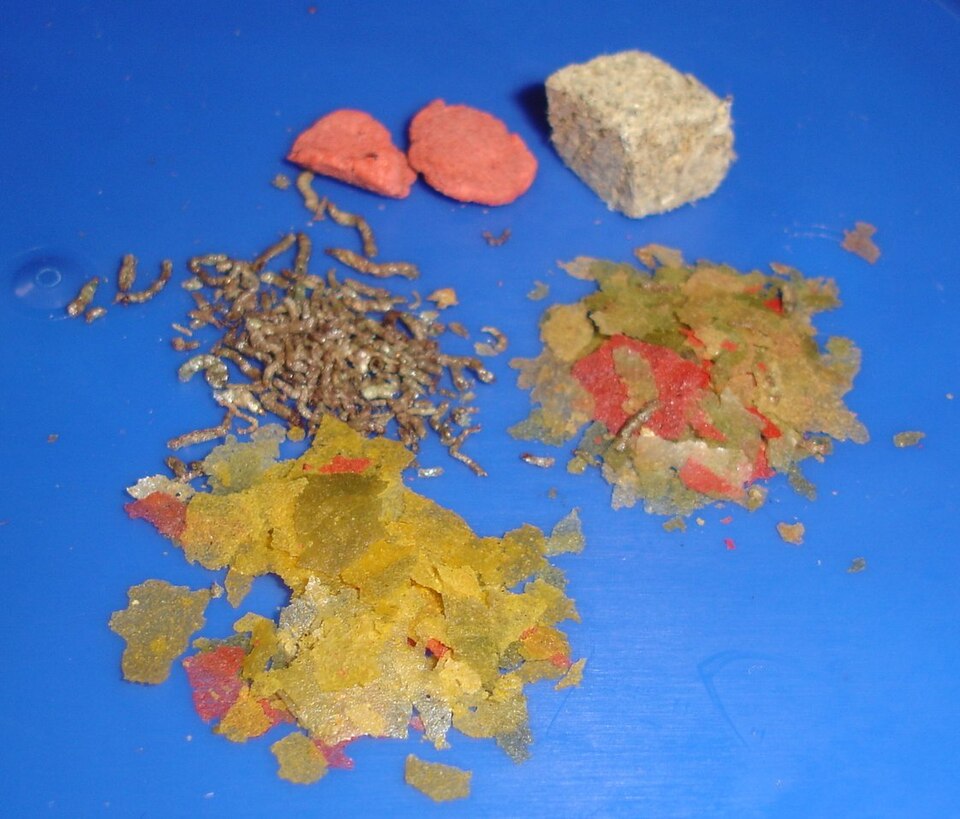
Why Feeding Habits Decide Water Quality
Food that sinks to the substrate does not disappear. It rots, and that decay releases ammonia, the same toxin your biological filter works so hard to control. Leftover flakes and extra waste from overfed fish also push nitrate upward and feed algae. If your tank keeps turning cloudy or green, the cause is very often at the feeding lid, not the filter. A slightly underfed fish is far healthier than an overfed one, because wild fish routinely go days between large meals.
The Two-Minute Rule for Portions
The simplest portion guide is time. Offer a small pinch or a few pellets and watch closely: whatever your fish finish in about two minutes is the right amount. If food is still drifting or settling after two minutes, you fed too much, and netting or siphoning the leftovers out beats letting them rot. A useful mental model is that a fish stomach is roughly the size of its eye, so portions genuinely are tiny. Start smaller than instinct suggests, because it is always easy to add a little more and impossible to take food back once it is in the water.
A Schedule by Fish Type
| Fish type | Feedings per day | Portion guide | Notes |
|---|---|---|---|
| Adult community fish | 1 to 2 | Gone in about 2 minutes | Weekly fasting day is fine |
| Fry and juveniles | 3 to 5 | Tiny amounts each time | Never fast growing fish |
| Herbivores and grazers | Grazing plus 1 feeding | Blanched veg or wafer | Plecos need constant plant matter |
| Bottom dwellers | 1, after lights out | Sinking food they can reach | Do not rely on leftovers |
| Large predators | Every 2 to 3 days | Until visibly full | Fasting is built in |
The Weekly Fasting Day
Many keepers skip one day of feeding each week for healthy adult fish. A short fast lets the gut clear, reduces waste build-up, and guards against chronic overfeeding, especially in densely stocked tanks. Healthy adults can also handle a weekend away without food, or two to three days during short trips. The exceptions matter, though: fry, juveniles, grazing herbivores, breeding fish, and animals recovering from illness should never be fasted, and coldwater or unheated tanks generally need less food because cooler water slows metabolism.
Warning Signs You Are Overfeeding
- Food settles uneaten on the substrate after every meal
- Water turns cloudy within hours of feeding
- Algae growth suddenly speeds up on glass and plants
- Nitrate readings keep climbing between water changes
- Fish look bloated or unusually sluggish after meals
Feed on a calendar, not on guilt. Fish begging at the glass is not proof of hunger, since most aquarium fish beg whenever a person approaches. Small, observed portions once or twice a day, adjusted for species and age, keep fish bright and water testing clean.