Osteoarthritis is the most common cause of chronic pain in dogs, and it is not simply the price of getting old. It is an active, progressive disease of the joint that can begin long before an owner notices a limp, and roughly one in five adult dogs is affected to some degree. Cats develop osteoarthritis too, and they hide it even more effectively than dogs do.
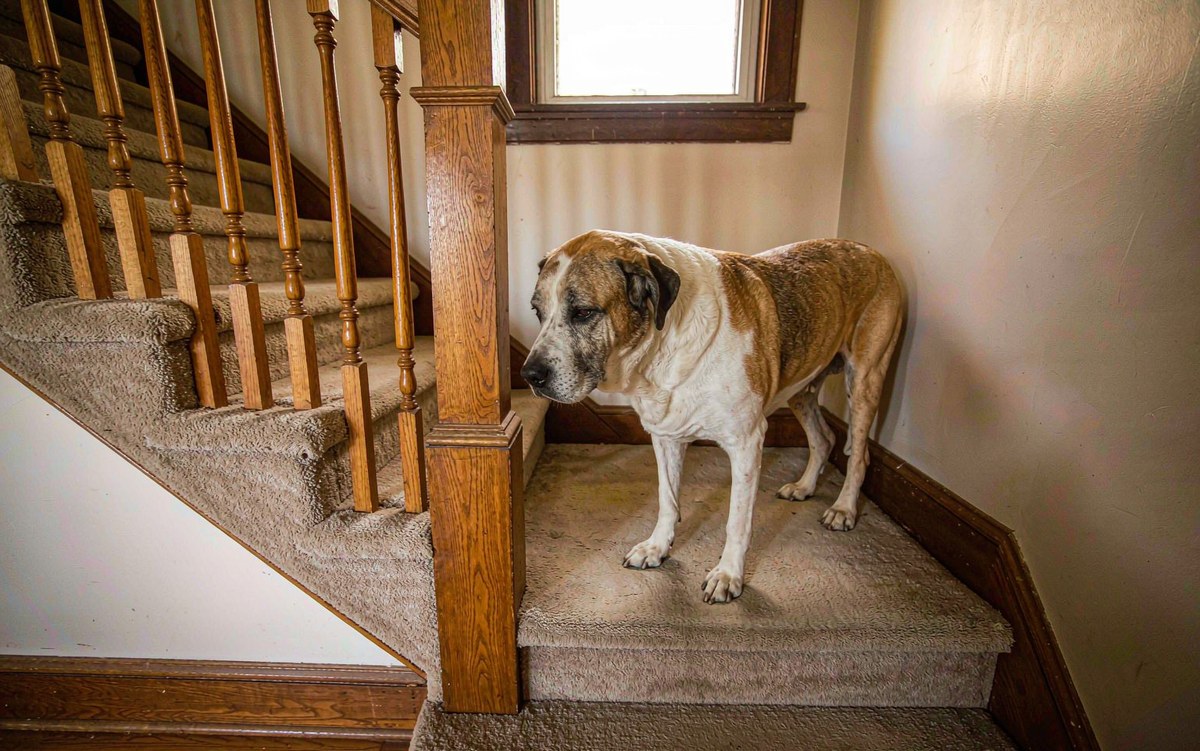
What Is Happening Inside the Joint
In a healthy joint, cartilage cushions the ends of the bones and synovial fluid keeps movement smooth. In osteoarthritis, cartilage degenerates and loses its ability to bear load. The joint lining becomes inflamed, fluid accumulates, and the bone underneath thickens and remodels. On radiographs this appears as joint effusion, new bone formation at the joint edges, and denser bone beneath the cartilage. The pain is amplified over time because ongoing inflammation sensitises the nerves inside and around the joint.
Body condition matters enormously here. Excess weight increases the mechanical load on every weight-bearing joint, and fat tissue also contributes inflammatory signalling. That is why weight management is not a side note in treatment — it is the foundation, and it is the one intervention with the widest effect.
The Signs Owners Miss
Dogs rarely cry out. They adapt, so the changes often get read as ageing or a personality shift instead of pain:
- Stiffness after rest that eases once the dog moves around
- Reluctance to climb stairs, jump into the car, or get onto the sofa
- Slowing down on walks, or lagging behind on familiar routes
- A bunny-hop gait in the hind limbs, or a head bob while walking
- Licking, chewing, or guarding one particular joint
- Muscle wasting over the back and hindquarters
- Irritability, more sleeping, or avoiding interaction and play
- Going to the toilet indoors because holding a posture hurts
How It Is Diagnosed
Diagnosis combines a hands-on orthopaedic examination, careful observation of the dog walking and turning, and imaging. Radiographs confirm the structural changes, though the amount of damage on a film does not always match how much pain the dog feels. Your veterinarian will also look for conditions that mimic or complicate arthritis, such as cruciate ligament disease and patellar luxation, and may use a validated owner questionnaire to score how the dog is functioning before and after treatment.
Treatment Direction: Multimodal, Not One Pill
No single treatment controls osteoarthritis well. Modern guidelines recommend a multimodal plan, and the international consensus position is that non-steroidal anti-inflammatory drugs and anti-nerve growth factor monoclonal antibody injections are both appropriate first-line options for osteoarthritis pain in dogs.
| Layer | Options |
|---|---|
| Weight and nutrition | Gradual weight loss toward an ideal body condition; diets with proven omega-3 support |
| Core pain medication | Non-steroidal anti-inflammatory drugs, and an anti-nerve growth factor monoclonal antibody given as a monthly injection under the skin |
| Adjunct medication | Additional analgesic classes added alongside core therapy in selected cases |
| Physical medicine and rehab | Therapeutic laser, hydrotherapy, joint mobilisation, massage, controlled exercise |
| Home environment | Non-slip flooring, ramps, supportive bedding, raised food and water bowls |
Medication is not risk-free. Non-steroidal anti-inflammatory drugs can affect the stomach, liver, and kidneys, so baseline bloodwork and periodic monitoring are part of responsible use, and these drugs are not combined with steroids. If your dog vomits, stops eating, or changes drinking habits after starting a new pain medication, that is a call to your veterinarian rather than a wait-and-see.
When to Call Your Veterinarian
Any change in how a dog moves deserves an examination rather than a guess. Osteoarthritis cannot be reversed, but it can usually be controlled well, and the earlier a plan starts the more function is preserved. Do not give human pain relievers: common human anti-inflammatory drugs such as ibuprofen are toxic to dogs, and human products are not dosed for a dog’s body. Bring a short video of your dog walking on a hard floor to the appointment; it is often more informative than an office examination alone.