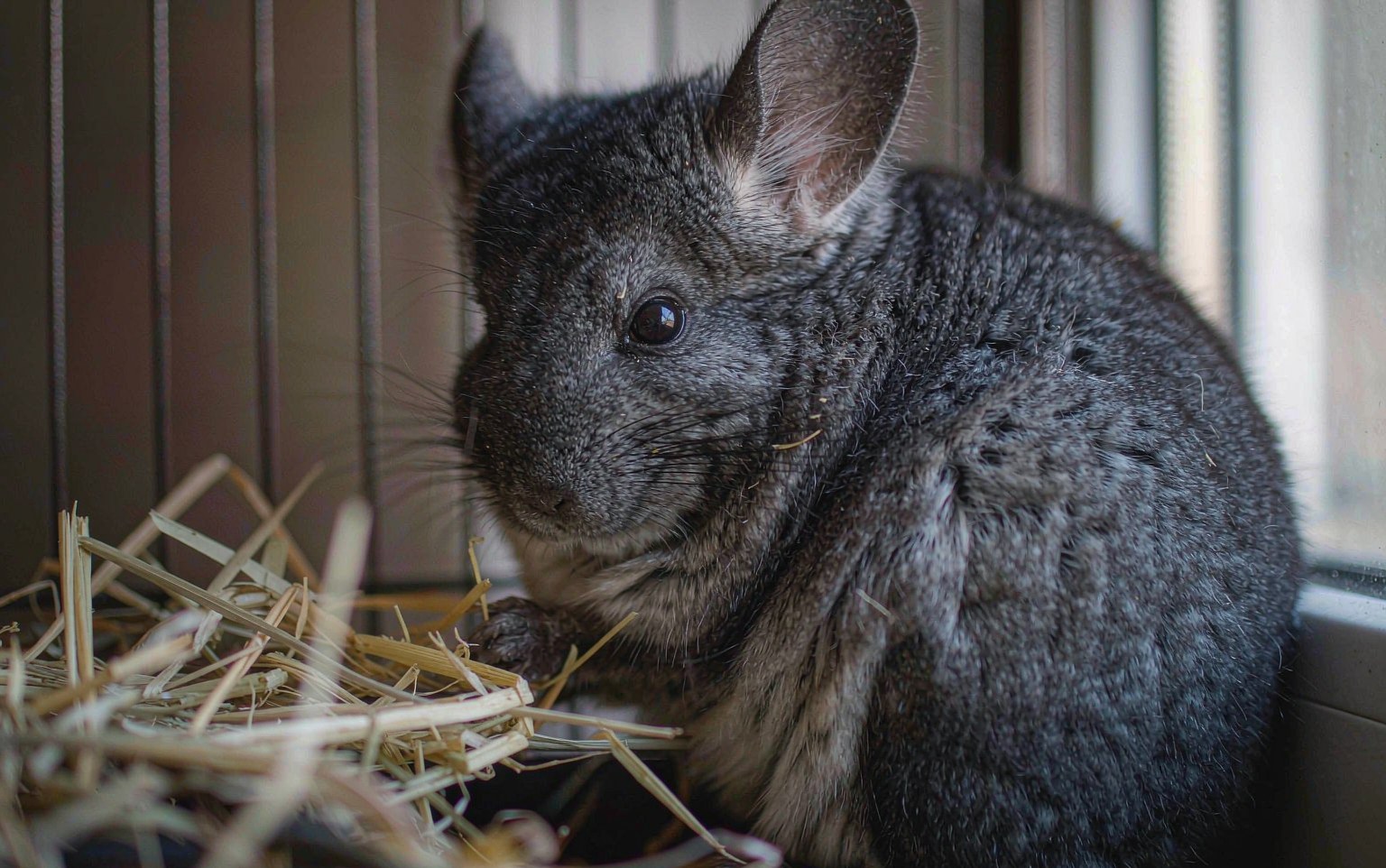
A chinchilla’s gut is designed to run nonstop. Fiber goes in one end and round, moist droppings come out the other almost around the clock, so a healthy chinchilla never really finishes digesting. That is why a chinchilla that stops eating is never just being fussy. Veterinarians call the resulting shutdown gastrointestinal (GI) stasis, and it is one of the most time-sensitive emergencies in small pet medicine — a delay of even 12 to 24 hours can turn a treatable problem into a life-threatening one.
What GI Stasis Actually Is
Chinchillas are hindgut fermenters. Their intestines depend on a steady stream of hay to keep the special gut bacteria that break down fiber working normally. When gut movement slows, those bacteria produce gas, the belly becomes painful, pain suppresses appetite, and the emptier gut slows even more — a vicious cycle that feeds itself. Stasis itself is not a disease. It is a warning light for something else, most often dental pain, too little fiber, dehydration, stress, overheating above about 80°F (27°C), or another underlying illness.
Warning Signs You Can Catch Early
- Fewer, smaller, drier or misshapen droppings — usually the first clue
- Eating less hay or refusing favorite foods
- Sitting hunched, hiding, or grinding teeth in pain
- A firm or visibly bloated belly, stretching or restlessness
- Lethargy, less drinking, tacky gums or dark urine
Make a dropping-count check part of your morning routine. Pellet output is the single most useful vital sign an owner can watch, and it usually changes a day or two before a chinchilla looks visibly sick to you.
Why It Happens
Dental disease is the classic trigger: overgrown or root-affected cheek teeth make chewing hay painful, so a chinchilla quietly switches to soft pellets and the gut loses its fiber engine. Diets heavy in pellets or sugary treats, sudden food changes, an empty or clogged water bottle, travel, loud rooms and heat stress all push in the same direction. Recovery from another illness, and even anesthesia, can also stall the gut. Because prey animals hide weakness, the first visible hint is often nothing more than a quieter chinchilla and a lighter cage floor. Even a short appetite dip after a stressful event — a vet visit, a new pet in the house, a heatwave — deserves a dropping check that same night.
What the Vet Will Do, and What You Must Not Do
Expect a hands-on exam, X-rays to assess gas and rule out an intestinal blockage, fluids for dehydration, pain relief, and syringe feeding with a critical-care herbivore formula. Gut-motility drugs are only given once a blockage has been ruled out. At home, never force-feed a chinchilla with a hard, swollen belly, and never share leftover antibiotics — penicillin-type drugs can cause fatal enterotoxemia in chinchillas. Keep the room cool and quiet, offer hay within easy reach, and call an exotics-savvy vet the same day.
Bottom line. Treat a skipped meal the way you would treat labored breathing in a dog or cat: as an emergency. Count droppings daily, keep unlimited hay in the rack, and save an exotic vet’s number before you need it. This guide is general information, not a substitute for veterinary diagnosis.